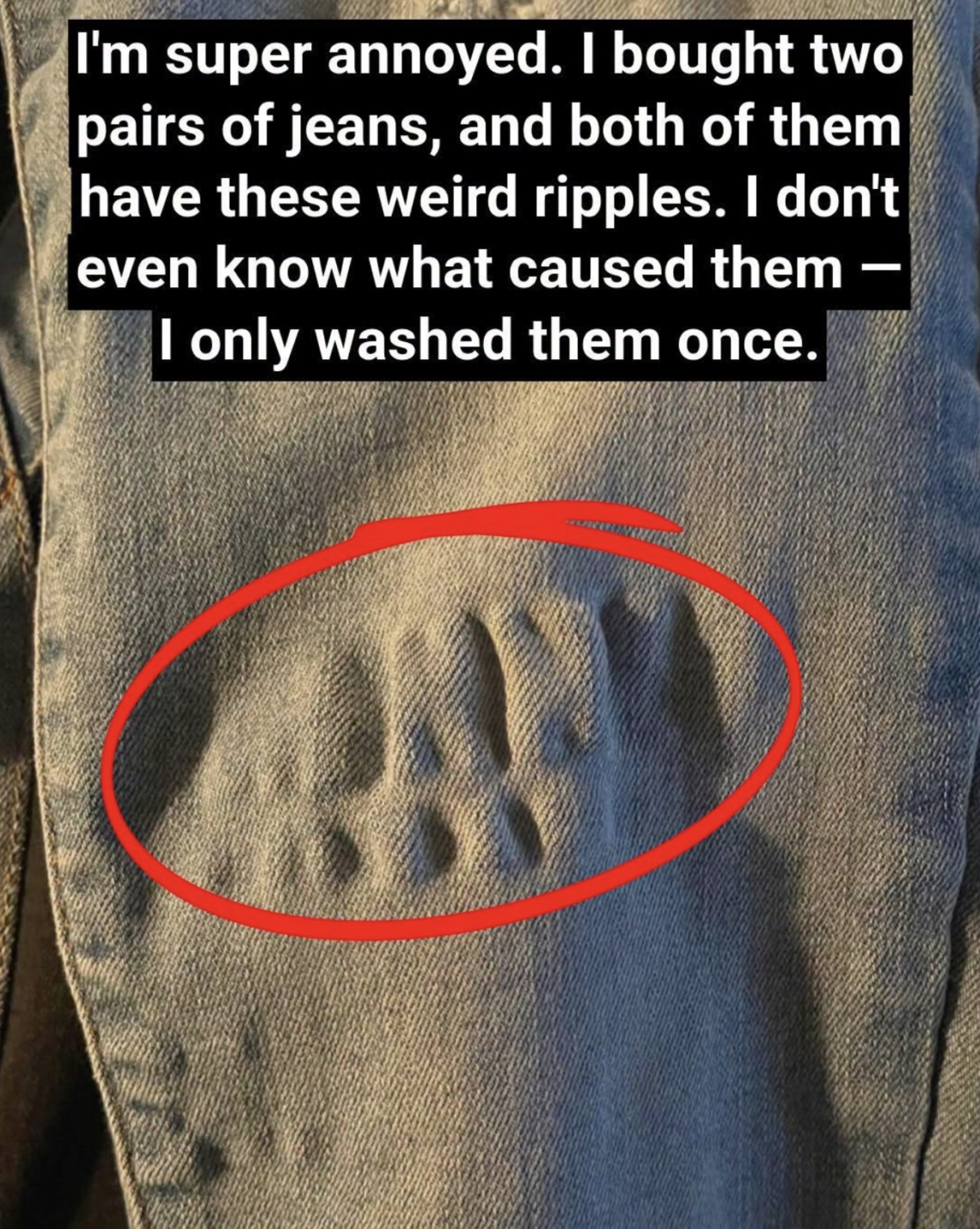
You’ve just pulled your favorite pair of jeans out of the washing machine or dryer, excited to wear them again, only to notice something unexpected. The once-smooth fabric now has strange ripples, wavy lines, or puckered sections running along the thighs, knees, or seams. No matter how much you smooth them with your hands, those uneven waves seem determined to stay.
If you’ve ever wondered why this happens, you’re certainly not alone. It’s one of the most common questions people have about denim care. Many assume the washing machine ruined their jeans, while others worry they purchased a poor-quality pair. The truth is that several factors can contribute to these ripples, and in many cases, they are a normal result of how denim fabrics are constructed, washed, and worn over time.
Understanding why jeans develop these wavy textures can help you care for your denim more effectively, extend its lifespan, and even reduce the chances of ripples appearing in the future.
What Are Denim Ripples?
The ripples people notice after washing are often small waves, puckers, or uneven areas that develop in the fabric.
They may appear:
- around the knees
- along the thighs
- beside seams
- near pockets
- around the hips
- on the lower legs
- near the waistband
Sometimes they disappear after wearing the jeans for a while, while other times they remain permanently.
1. Different Materials Shrink at Different Rates
One of the biggest reasons jeans develop ripples is that not every part of the fabric reacts to washing in exactly the same way.
Many modern jeans are made from more than one fiber.
Common materials include:
- cotton
- polyester
- elastane (spandex)
- lyocell
- recycled fibers
Each fiber responds differently to:
- water
- heat
- drying
- stretching
When one fiber shrinks slightly more than another, the fabric can become uneven, producing small waves or puckers.
2. Stretch Denim Can Develop “Leg Twist” and Ripples
Today’s jeans often contain elastane for extra comfort.
Stretch denim offers:
- easier movement
- improved fit
- greater flexibility
However, repeated washing and drying can affect how the stretch fibers recover.
As the elastic fibers contract and relax over many wash cycles, the outer cotton layer and the stretchy fibers may no longer behave exactly the same way, sometimes creating rippled areas.
3. Heat From the Dryer
High dryer temperatures are one of denim’s biggest enemies.
Excessive heat may:
- shrink cotton fibers
- stress elastic fibers
- distort seams
- increase wrinkling
- contribute to permanent puckering
Jeans that are repeatedly dried on high heat are generally more likely to develop noticeable texture changes.
4. Fabric Tension Around Seams
Jeans contain many stitched areas.
Examples include:
- side seams
- inseams
- pockets
- belt loops
- yokes
- waistbands
Because seams contain multiple layers of fabric and dense stitching, they do not always shrink at the same rate as the surrounding denim.
This difference in tension can create visible ripples alongside stitched areas.
5. Denim Naturally Changes Over Time
Unlike many fabrics, denim is designed to age.
As jeans are worn, they develop:
- fading
- creases
- whiskers
- softened texture
- body-shaped contours
Some rippling is simply part of this natural aging process.
Many denim enthusiasts even appreciate these unique characteristics because they make each pair distinctive.
6. Washing Too Frequently
Contrary to popular belief, jeans often do not need washing after every wear.
Frequent washing exposes the fabric to repeated:
- moisture
- agitation
- detergent
- spinning
- drying
Over time, this can accelerate fabric wear and increase the likelihood of puckering.
Many denim manufacturers recommend washing jeans only when necessary rather than after every use.
7. Overloading the Washing Machine
When too many clothes are packed into one load, jeans cannot move freely.
This increases:
- twisting
- friction
- uneven stretching
- fabric stress
Proper water circulation helps garments wash more evenly.
8. Low-Quality Fabric Construction
Not all denim is manufactured to the same standard.
Lower-quality jeans may use:
- thinner fabric
- less stable weaving
- lower-quality stretch fibers
- cheaper stitching
These garments can sometimes develop ripples sooner than higher-quality denim.
However, even premium jeans may eventually show some texture changes after years of wear.
9. Improper Drying
Leaving jeans bunched up after washing can encourage wrinkles and uneven drying.
Instead:
- shake the jeans gently
- smooth the legs with your hands
- straighten the seams
- reshape them before drying
These simple steps can help minimize wrinkles.
How to Reduce Ripples
Although not every ripple can be prevented, proper care makes a noticeable difference.
Wash in Cold Water
Cold water is generally gentler on denim.
It helps reduce:
- shrinking
- color fading
- stress on stretch fibers
Turn Jeans Inside Out
Turning jeans inside out before washing helps protect:
- color
- surface texture
- decorative stitching
It also reduces abrasion during the wash cycle.
Use Gentle Cycles
Gentle wash programs create less mechanical stress on the fabric than heavy-duty cycles.
Avoid High Dryer Heat
Whenever possible:
- air-dry jeans
- use low heat
- remove them while slightly damp
Excessive heat is one of the main contributors to unnecessary fabric stress.
Don’t Overwash
Unless visibly dirty, many jeans can be worn multiple times before washing.
Always follow the care instructions on the garment label.
Can Ripples Be Fixed?
Sometimes.
If the ripples are caused by temporary shrinkage or wrinkling, they may improve after:
- wearing the jeans
- lightly steaming them
- gently reshaping while damp
However, if the ripples result from permanent changes in the fabric structure or stitching, they may not disappear completely.
Frequently Asked Questions
Are ripples a sign that my jeans are damaged?
Not necessarily. Mild rippling is common, especially in stretch denim, and does not automatically mean the jeans are worn out.
Do expensive jeans ripple too?
Yes. Even premium denim can develop waves or puckering over time, although higher-quality construction may reduce how quickly this occurs.
Does air-drying help?
In many cases, yes. Air-drying reduces heat exposure, which may help preserve the fabric and elastic fibers.
Can ironing remove denim ripples?
Light ironing or steaming may reduce some wrinkles, but permanent puckering caused by shrinkage or seam tension usually cannot be completely ironed away.
Always check the care label before ironing.
Should I wash jeans after every wear?
Not usually. Many denim manufacturers recommend washing jeans only when needed to reduce unnecessary wear and help preserve their fit and appearance.
Extra Tips for Longer-Lasting Jeans
To keep your denim looking its best:
- wash with similar colors
- zip zippers before washing
- empty all pockets
- avoid excessive bleach
- use mild detergent
- reshape while damp
- fold or hang properly after drying
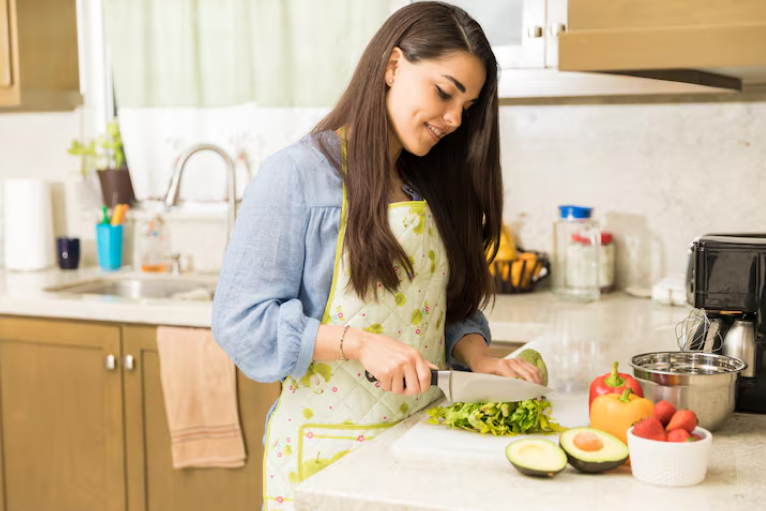
Welcome to my kitchen!
I’m a passionate home cook and recipe creator who loves turning simple ingredients into delicious, comforting meals that everyone can enjoy. Through this website, I share carefully prepared recipes, practical cooking tips, and easy-to-understand food education to help you feel more confident in the kitchen.
My goal is to make cooking simple, enjoyable, and accessible. Whether you are looking for a quick family dinner, a delicious dessert, healthy meal ideas, or traditional recipes with a modern touch, you’ll find inspiration here.
More Than Just Recipes
I believe that cooking is also a way to learn. That’s why this website is not only about recipes. I also create educational articles about ingredients, cooking techniques, kitchen tips, food preparation, and the stories behind different dishes.
Each article is designed to give you useful knowledge that you can apply in your own kitchen. From understanding how ingredients work together to learning better cooking methods, my aim is to help you become a more confident and creative cook.
My Philosophy
Good food doesn’t always require complicated ingredients or professional equipment. With a little knowledge, patience, and creativity, simple ingredients can become something truly special.
I believe in sharing recipes that are practical, clearly explained, and enjoyable to make. I also love exploring new flavors while appreciating traditional cooking and the recipes passed down through generations.
Thank you for visiting my kitchen and being part of this food-loving community. I hope my recipes and articles inspire you to cook, learn, experiment, and most importantly, enjoy every bite!
Happy cooking!