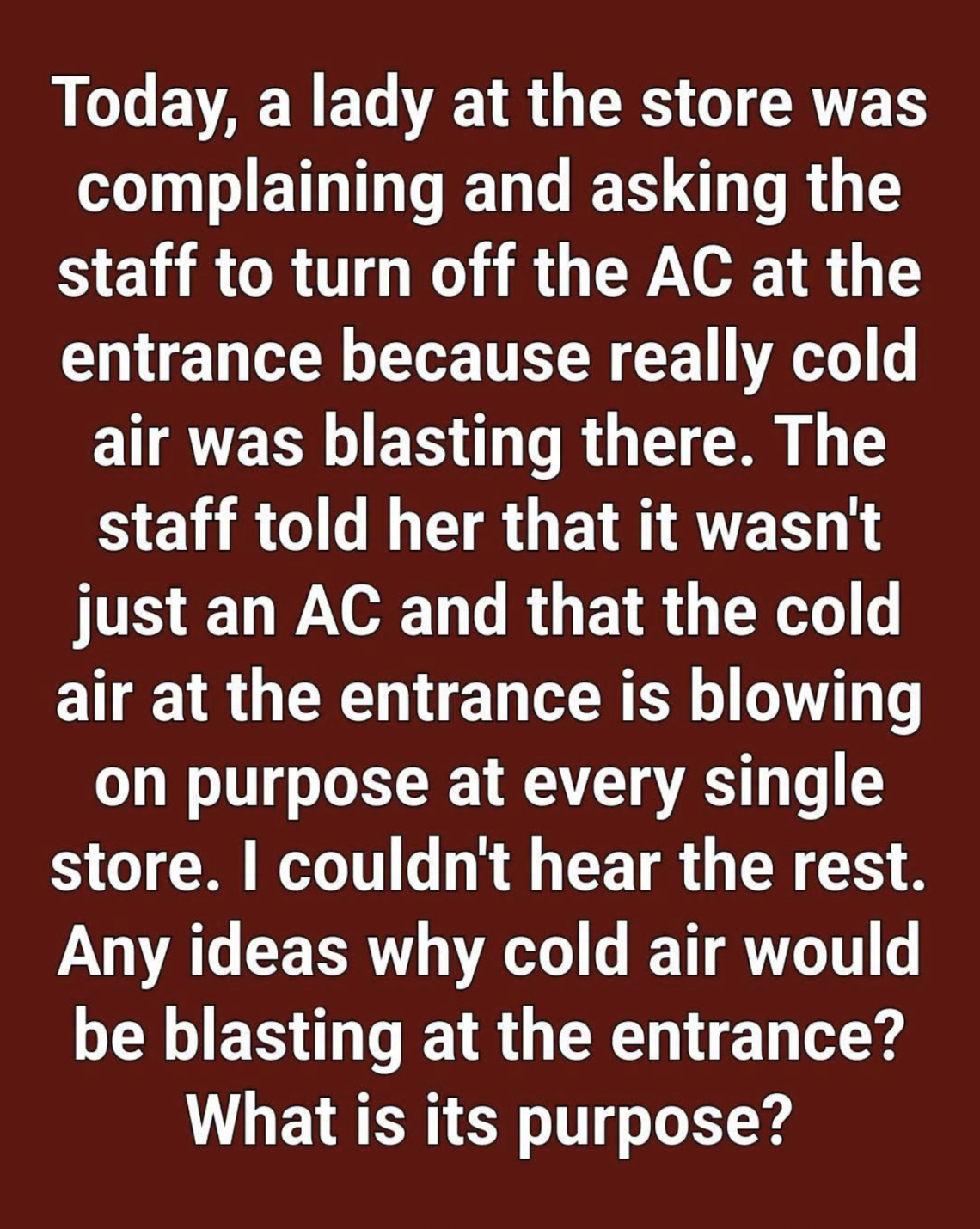
Have you ever stepped into a grocery store on a hot summer afternoon and immediately felt a wave of cold air? Within seconds, the heat outside disappears, and you’re reaching for your sweater or wishing you had brought a light jacket. Many shoppers joke that grocery stores feel like giant refrigerators, but there is much more behind those chilly temperatures than simple comfort.
Maintaining a cool environment inside supermarkets is a carefully planned part of store operations. From preserving fresh food and reducing waste to helping refrigeration equipment operate efficiently, temperature management plays a vital role in keeping grocery stores running smoothly. While the cool air can make shopping feel refreshing after being outdoors, it also serves several practical purposes that benefit both the retailer and the products on the shelves.
Interestingly, not every aisle is kept at exactly the same temperature. Areas containing fresh produce, dairy products, meat, seafood, and frozen foods often require different environmental conditions to maintain food quality and comply with food safety standards. At the same time, heating, ventilation, and air conditioning (HVAC) systems work alongside refrigeration equipment to maintain a stable indoor climate throughout the store.
Let’s take a closer look at why supermarkets often feel so cold and how those lower temperatures help protect food, improve efficiency, and shape the shopping experience.
1. Keeping Perishable Foods Safe
The primary reason grocery stores maintain cool indoor temperatures is food safety.
Many foods are highly perishable and spoil more quickly when exposed to warmer temperatures.
Products that require careful temperature control include:
- milk
- yogurt
- cheese
- butter
- eggs
- fresh meat
- poultry
- seafood
- prepared meals
- deli products
Keeping the surrounding environment cool helps support refrigeration systems and reduces the risk of food warming while customers shop.
Although refrigerated products are stored inside specialized display cases, the overall store temperature also helps minimize temperature fluctuations when cooler doors are opened repeatedly throughout the day.
2. Helping Refrigeration Equipment Work More Efficiently
Modern supermarkets contain dozens—or even hundreds—of refrigerated display cases and freezers.
These systems continuously remove heat from food products.
If the surrounding store temperature is lower, refrigeration equipment generally has less heat to remove, which can improve efficiency and reduce strain on compressors.
Benefits may include:
- more stable food temperatures
- improved equipment performance
- reduced wear on refrigeration systems
- lower energy demand under certain conditions
Energy efficiency depends on many factors, including insulation, equipment design, and store layout, but indoor temperature is one important part of the overall system.
3. Protecting Fresh Produce
Many fruits and vegetables remain alive after harvest and continue to respire, meaning they slowly consume oxygen and release carbon dioxide.
Warmer temperatures can speed up this natural process, leading to:
- faster ripening
- moisture loss
- wilting
- shorter shelf life
Cooler store conditions help slow these changes, allowing produce to stay fresh longer before it reaches customers’ homes.
Some produce items are also lightly misted with water to help reduce dehydration and maintain freshness, although not all fruits and vegetables benefit from misting.
4. Reducing Food Waste
Food waste is a significant challenge for grocery retailers.
Maintaining appropriate temperatures helps extend the shelf life of many products, reducing spoilage before they are sold.
Lower spoilage benefits:
- customers
- grocery stores
- suppliers
- the environment
Reducing waste also helps stores manage inventory more efficiently.
5. Supporting Food Safety Regulations
Food retailers are required to follow food safety standards that specify proper storage temperatures for many products.
Maintaining a cool shopping environment helps support compliance by reducing the time foods spend outside their ideal temperature range during stocking, customer handling, and restocking.
While refrigeration units provide the primary protection, the surrounding environment also contributes to maintaining product quality.
6. Counteracting Heat From Refrigeration Equipment
Ironically, refrigeration systems generate heat.
As refrigerators and freezers remove heat from food, they release that heat elsewhere through their mechanical systems.
Without adequate air conditioning, the store could become much warmer despite containing numerous refrigerated cases.
The building’s HVAC system helps remove excess heat and maintain a comfortable overall temperature.
7. Creating a Comfortable Shopping Environment
Customer comfort also plays a role.
Shopping often involves walking through multiple aisles while pushing a cart and carrying groceries.
Cooler temperatures can help many people feel more comfortable, particularly during warm weather.
However, finding the ideal temperature can be challenging because customer preferences vary widely.
Some shoppers appreciate the cool air, while others find it uncomfortably cold.
8. Protecting Sensitive Products
Certain products beyond fresh food also benefit from cooler conditions.
Examples include:
- chocolate
- butter
- soft cheeses
- refrigerated beverages
- floral arrangements
- certain bakery items
Higher temperatures may cause melting, softening, or reduced quality.
Why Do Some Aisles Feel Colder Than Others?
If you’ve noticed that the dairy section feels much colder than the cereal aisle, you’re not imagining it.
Several factors contribute to these temperature differences:
- proximity to refrigerated display cases
- open refrigerated shelves
- freezer sections
- airflow from cooling systems
- store layout
- ceiling height
Open refrigerated cases, in particular, allow cold air to spill into nearby walkways.
Why Frozen Food Sections Feel Especially Cold
Frozen food aisles typically contain large freezers maintained at temperatures well below freezing.
Every time customers open freezer doors—or in stores with open-top freezers, every time cold air escapes—the surrounding area becomes noticeably cooler.
Is It Actually Better for Food?
Yes, within the appropriate temperature ranges.
Proper cooling helps:
- slow bacterial growth
- preserve texture
- maintain flavor
- extend shelf life
- reduce spoilage
However, different foods require different storage conditions. Extremely low temperatures are not ideal for every product, which is why supermarkets use separate refrigeration systems for various food categories.
Does Cold Air Save Energy?
It may seem counterintuitive, but maintaining a cooler overall environment can help refrigeration systems operate more efficiently in some situations by reducing the temperature difference between the refrigerated cases and the surrounding air.
At the same time, air conditioning itself consumes energy, so supermarkets carefully balance cooling needs with energy efficiency using modern HVAC controls, insulation, and refrigeration technology.
Frequently Asked Questions
Why do grocery stores feel colder than other retail stores?
Because supermarkets contain extensive refrigeration equipment and large quantities of temperature-sensitive food that require carefully controlled environments.
Are grocery stores refrigerated everywhere?
No. Most supermarkets maintain a comfortable overall temperature while using specialized refrigeration systems for specific departments such as dairy, meat, seafood, and frozen foods.
Why is the produce section sometimes misted with water?
Certain leafy vegetables benefit from added moisture to reduce dehydration and maintain freshness. However, not all produce is misted because some fruits and vegetables can be damaged by excess moisture.
Can cold temperatures reduce food waste?
Yes. Appropriate temperature control helps slow spoilage, allowing many perishable foods to remain fresh for longer periods.
Should I bring insulated bags when shopping?
Yes. Insulated reusable bags are especially helpful for transporting refrigerated and frozen foods, particularly during warm weather or long trips home.
Tips for Shoppers
To help keep groceries fresh after leaving the store:
- Shop for refrigerated and frozen items last.
- Bring insulated shopping bags or cooler bags.
- Head home promptly after shopping.
- Refrigerate perishable foods as soon as possible.
- Avoid leaving groceries in a hot car.
Welcome to my kitchen!
I’m a passionate home cook and recipe creator who loves turning simple ingredients into delicious, comforting meals that everyone can enjoy. Through this website, I share carefully prepared recipes, practical cooking tips, and easy-to-understand food education to help you feel more confident in the kitchen.
My goal is to make cooking simple, enjoyable, and accessible. Whether you are looking for a quick family dinner, a delicious dessert, healthy meal ideas, or traditional recipes with a modern touch, you’ll find inspiration here.
More Than Just Recipes
I believe that cooking is also a way to learn. That’s why this website is not only about recipes. I also create educational articles about ingredients, cooking techniques, kitchen tips, food preparation, and the stories behind different dishes.
Each article is designed to give you useful knowledge that you can apply in your own kitchen. From understanding how ingredients work together to learning better cooking methods, my aim is to help you become a more confident and creative cook.
My Philosophy
Good food doesn’t always require complicated ingredients or professional equipment. With a little knowledge, patience, and creativity, simple ingredients can become something truly special.
I believe in sharing recipes that are practical, clearly explained, and enjoyable to make. I also love exploring new flavors while appreciating traditional cooking and the recipes passed down through generations.
Thank you for visiting my kitchen and being part of this food-loving community. I hope my recipes and articles inspire you to cook, learn, experiment, and most importantly, enjoy every bite!
Happy cooking!