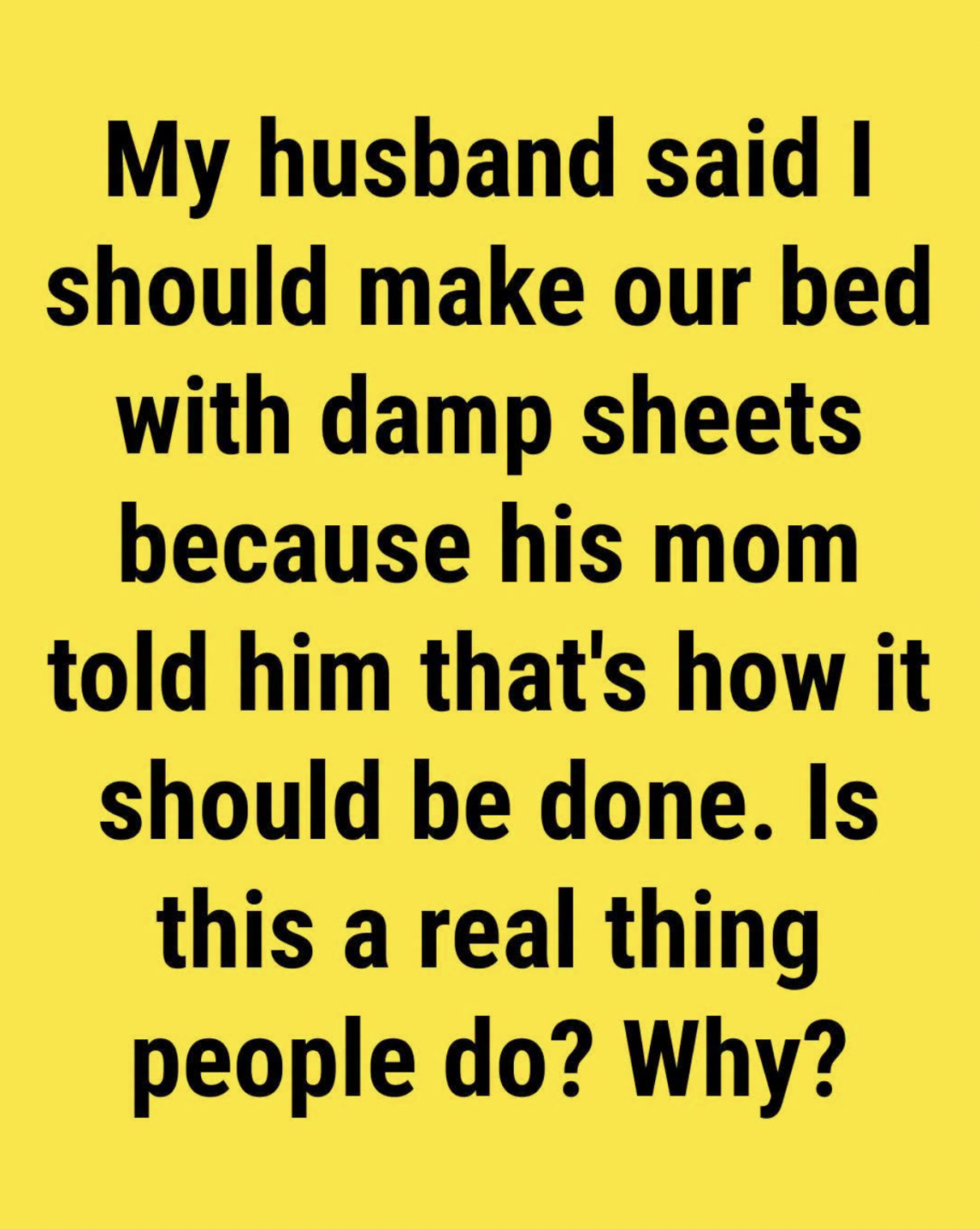
Making the bed is one of those simple daily routines that helps a bedroom feel clean, organized, and inviting. Most of us have been taught to wait until freshly washed sheets are completely dry before putting them back on the mattress. After all, who wants to climb into a damp bed at the end of the day?
However, a growing number of laundry experts, professional housekeepers, and experienced home cooks have long recommended a slightly different approach: placing slightly damp—not wet—sheets back on the bed and allowing them to finish drying while stretched tightly over the mattress. Although this method may sound unusual at first, it has been used for decades in homes, hotels, and even some commercial laundry settings because it can help reduce wrinkles and create a crisp, smooth finish without much extra effort.
The key detail is that the sheets should only be slightly damp. They should never be soaking wet, dripping, or damp enough to leave moisture on the mattress. When used correctly, this technique relies on the natural tension created by the mattress to gently smooth the fabric as it finishes drying.
Like many household tips, this method has advantages, but it also has limitations. It works well in some situations and should be avoided in others. Understanding both sides helps you decide whether it’s the right approach for your home.
Why Do People Put Slightly Damp Sheets on the Bed?
The main idea is simple.
As fabric dries, its fibers naturally contract.
When sheets are stretched tightly across a mattress during the final stage of drying, that gentle tension can help reduce wrinkles and create a smoother appearance.
Instead of drying in a crumpled pile inside the dryer or laundry basket, the sheets dry while already fitted to their final shape.
Potential Benefits
When done properly, making the bed with slightly damp sheets may offer several practical advantages.
1. Fewer Wrinkles
One of the biggest reasons people use this technique is wrinkle reduction.
Because the sheets dry while pulled snugly over the mattress, many minor creases relax naturally.
Although this won’t produce perfectly ironed bedding, it can leave sheets looking noticeably smoother.
2. A Crisp, Hotel-Like Appearance
Many people enjoy the neat look of freshly made beds.
Sheets that finish drying while stretched often appear:
- smoother
- flatter
- more uniform
- freshly pressed
This can help create the tidy appearance often associated with hotel rooms.
3. Less Need for Ironing
Ironing large bed sheets is time-consuming and physically demanding.
Allowing slightly damp sheets to finish drying on the bed may reduce the need for ironing altogether, especially for cotton sheets that wrinkle easily.
4. Saves Time
Instead of waiting for every sheet to become completely dry in the dryer or on a clothesline, some people remove them during the final few minutes of drying and immediately make the bed.
This combines two household tasks into one.
5. Reduced Static Electricity
Completely overdried sheets often develop static electricity.
Removing bedding while it is just slightly damp may reduce static cling, making the sheets easier to spread and position.
Why the Mattress Helps
The mattress acts as a large, flat surface.
As fitted sheets stretch around the mattress corners, the fabric remains under gentle tension.
This tension helps minimize wrinkles while the remaining moisture evaporates naturally.
Flat sheets also benefit because they remain evenly spread rather than folding over themselves.
What “Slightly Damp” Actually Means
This is the most important part of the technique.
The sheets should feel:
- cool to the touch
- only slightly moist
- free of dripping water
- comfortable to handle
They should not feel wet enough to transfer moisture to your hands.
If squeezing the fabric releases water, the sheets are far too wet.
Why You Should Never Use Wet Sheets
Placing genuinely wet sheets on a mattress can create several problems.
Excess moisture may:
- soak into the mattress
- encourage mold growth
- promote mildew
- create unpleasant odors
- increase dust mite activity
- slow the drying process significantly
Mattresses are difficult to dry once moisture penetrates beneath the surface.
For this reason, experts generally recommend ensuring that sheets are only minimally damp before placing them on the bed.
Which Fabrics Work Best?
This method often works well with:
- cotton
- Egyptian cotton
- percale
- cotton blends
- linen (with adequate drying conditions)
These natural fibers tend to relax as they dry.
Fabrics That May Not Benefit as Much
Some materials wrinkle less naturally or dry differently.
These include:
- microfiber
- polyester
- silk
- satin
- bamboo blends
Always follow the care instructions provided by the manufacturer.
Climate Matters
Your local environment plays a significant role.
This method works best when:
- indoor humidity is low
- air circulation is good
- room temperature is comfortable
In very humid climates, sheets may remain damp for many hours.
That prolonged drying time may increase the chance of odors or mildew developing.
Improve Drying Conditions
If you decide to try this method:
- open windows when weather permits
- run a ceiling fan
- use the bedroom fan
- keep good airflow around the bed
- avoid covering the bed immediately with a thick comforter
Allow the remaining moisture to evaporate efficiently.
Can This Help Sheets Last Longer?
Possibly.
Repeated overdrying in high-heat dryers may contribute to fiber wear over time.
Removing sheets while they are almost dry instead of completely dry may reduce some heat exposure.
However, overall sheet longevity depends on many factors, including fabric quality, washing frequency, water temperature, and drying methods.
Additional Laundry Tips for Smooth Sheets
To keep bedding looking its best:
- Avoid overloading the washing machine.
- Shake sheets before placing them in the dryer.
- Remove sheets promptly once nearly dry.
- Fold or place them on the bed immediately.
- Wash sheets according to the manufacturer’s care label.
Common Mistakes
Leaving Sheets Too Wet
This is the biggest mistake.
Wet bedding can introduce unwanted moisture into the mattress.
Poor Ventilation
Without good airflow, sheets may stay damp much longer than intended.
Covering the Bed Too Soon
Heavy blankets or comforters placed over damp sheets trap moisture and slow drying.
Wait until the sheets are fully dry before layering additional bedding.
Ignoring Fabric Care Labels
Some specialty fabrics require specific drying methods.
Always check the manufacturer’s recommendations.
Frequently Asked Questions
Is it safe to sleep on slightly damp sheets?
It’s best to allow sheets to finish drying completely before sleeping on them. Sleeping on damp bedding can feel uncomfortable and may leave moisture trapped against the mattress if the sheets have not fully dried.
Will this remove every wrinkle?
No. The method may reduce many wrinkles, but it won’t produce the perfectly pressed appearance that ironing can achieve.
Does this work with fitted sheets?
Yes. In fact, fitted sheets often benefit the most because the elastic edges keep the fabric under gentle tension while it dries.
Can this replace the dryer completely?
Not usually. Most people who use this method dry the sheets until they are almost completely dry, then place them on the bed for the final stage of drying.
Should I try this in a humid climate?
It depends. If your home has high humidity and limited airflow, the sheets may dry too slowly. In those situations, allowing them to dry completely before making the bed is generally the better option.

Welcome to my kitchen!
I’m a passionate home cook and recipe creator who loves turning simple ingredients into delicious, comforting meals that everyone can enjoy. Through this website, I share carefully prepared recipes, practical cooking tips, and easy-to-understand food education to help you feel more confident in the kitchen.
My goal is to make cooking simple, enjoyable, and accessible. Whether you are looking for a quick family dinner, a delicious dessert, healthy meal ideas, or traditional recipes with a modern touch, you’ll find inspiration here.
More Than Just Recipes
I believe that cooking is also a way to learn. That’s why this website is not only about recipes. I also create educational articles about ingredients, cooking techniques, kitchen tips, food preparation, and the stories behind different dishes.
Each article is designed to give you useful knowledge that you can apply in your own kitchen. From understanding how ingredients work together to learning better cooking methods, my aim is to help you become a more confident and creative cook.
My Philosophy
Good food doesn’t always require complicated ingredients or professional equipment. With a little knowledge, patience, and creativity, simple ingredients can become something truly special.
I believe in sharing recipes that are practical, clearly explained, and enjoyable to make. I also love exploring new flavors while appreciating traditional cooking and the recipes passed down through generations.
Thank you for visiting my kitchen and being part of this food-loving community. I hope my recipes and articles inspire you to cook, learn, experiment, and most importantly, enjoy every bite!
Happy cooking!