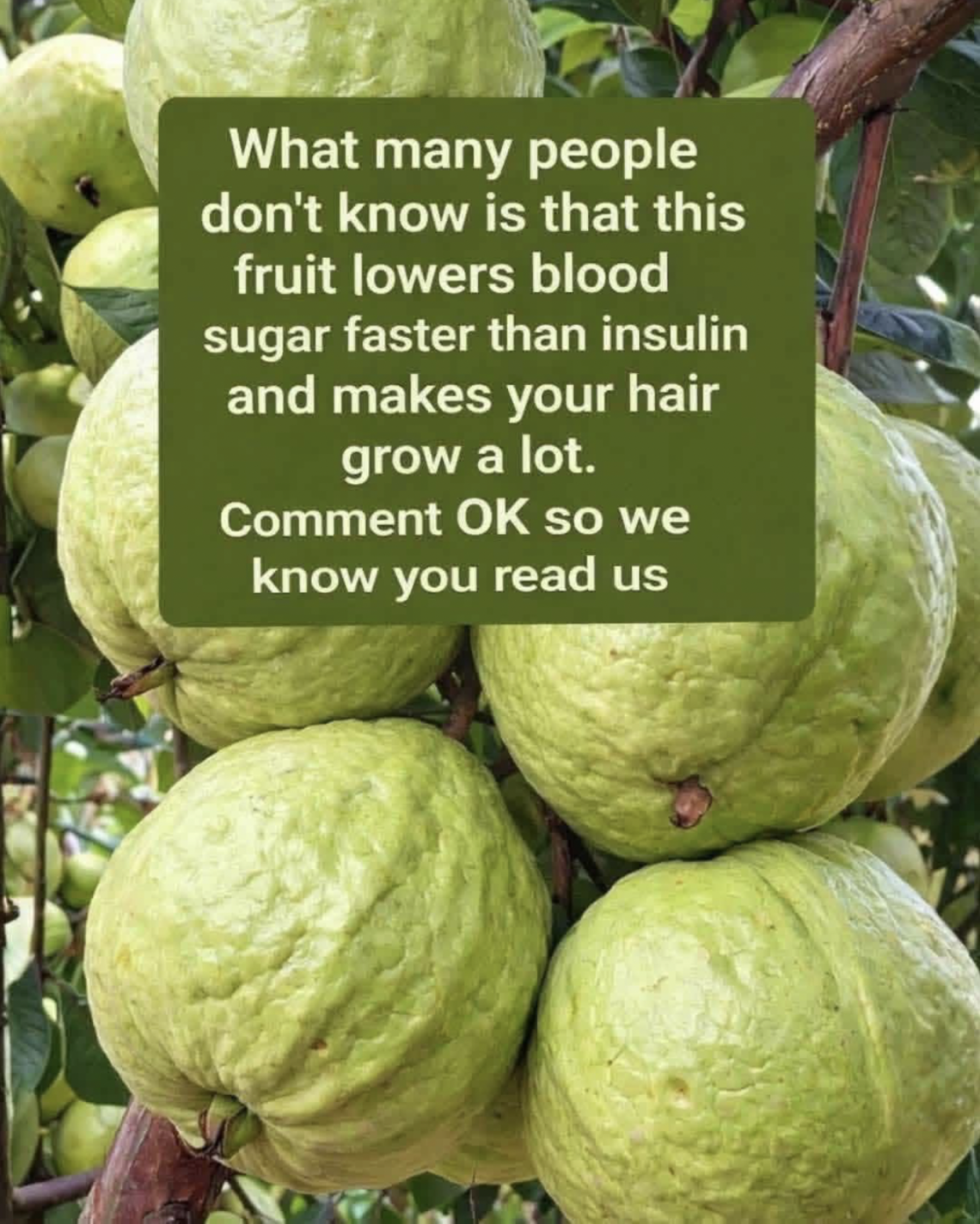
Guava is often described online as a “superfruit” capable of transforming health, boosting immunity instantly, preventing disease, improving digestion, and even slowing aging. Because of its rich flavor, tropical aroma, and impressive nutrient profile, guava has earned a strong reputation in both traditional wellness practices and modern nutrition discussions.
But how much of what people say about guava is actually true?
Like many highly praised fruits, guava exists in a space between genuine nutritional value and exaggerated internet claims. Scientific research does support several potential health benefits of guava, especially because it contains vitamins, fiber, antioxidants, and plant compounds. However, many online claims go far beyond what science currently proves.
Understanding guava realistically means separating:
- Evidence-based nutrition
from - Oversimplified wellness myths
Guava is not a miracle cure, but it is a nutrient-dense fruit that can absolutely play a positive role in a balanced diet.
What Is Guava?
Guava is a tropical fruit grown in warm climates around the world. It comes from a small tree in the myrtle family and is especially popular in:
- Latin America
- South Asia
- Southeast Asia
- The Caribbean
- Parts of Africa
The fruit varies in:
- Color
- Sweetness
- Texture
- Size
Some guavas have:
- White flesh
- Pink flesh
- Deep red flesh
The flavor is often described as a combination of:
- Pear
- Strawberry
- Citrus
with a floral tropical aroma.
Why Guava Attracts So Much Attention
Guava has become popular in health discussions because it contains:
- Vitamin C
- Fiber
- Potassium
- Antioxidants
- Various plant compounds
In many cultures, guava has also been used traditionally in:
- Herbal preparations
- Home remedies
- Digestive support practices
Modern nutrition science has examined guava more closely, leading to increased interest online.
Nutritional Profile of Guava
One reason guava stands out nutritionally is that it packs a large amount of nutrients into relatively few calories.
Guava contains:
- Dietary fiber
- Vitamin C
- Vitamin A
- Folate
- Potassium
- Antioxidants
It is especially known for being rich in vitamin C.
Fact: Guava Is Extremely Rich in Vitamin C
This is one of the strongest scientifically supported claims about guava.
Vitamin C plays important roles in:
- Immune function
- Collagen production
- Skin health
- Cell protection
- Wound healing
Guava can contain very high amounts of vitamin C compared to many other fruits.
Reality Check
Although vitamin C supports immune function, eating guava does not make someone “immune” to illness.
A healthy immune system depends on many factors:
- Sleep
- Stress management
- Overall nutrition
- Physical activity
- Medical care
Guava can contribute positively, but it is not a magical shield against disease.
Fact: Guava Contains Fiber That Supports Digestion
Guava contains dietary fiber, which helps support:
- Regular bowel movements
- Digestive health
- Feelings of fullness
Fiber is important because many people do not consume enough of it.
Reality Check
Online claims sometimes suggest guava “cleanses” the digestive system or “detoxifies” the body.
Scientifically, the body already has organs designed for detoxification, including:
- The liver
- The kidneys
Fiber supports digestive health, but guava is not a detox miracle.
Fact: Guava Contains Antioxidants
Guava contains several antioxidant compounds, including:
- Vitamin C
- Lycopene (especially in pink guava)
- Carotenoids
- Polyphenols
Antioxidants help protect cells from oxidative stress.
Reality Check
People often misunderstand antioxidants as magical anti-aging chemicals.
While antioxidant-rich foods are associated with healthy diets, no single fruit can:
- Stop aging
- Prevent all disease
- Reverse damage completely
Guava contributes to a healthy eating pattern rather than acting as a cure-all.
Fact: Guava May Support Heart Health
Research suggests that diets rich in fruits and vegetables are associated with better cardiovascular health.
Guava contains:
- Fiber
- Potassium
- Antioxidants
Potassium helps support:
- Fluid balance
- Muscle function
- Healthy blood pressure regulation
Reality Check
Eating guava alone will not prevent heart disease.
Heart health depends on:
- Overall diet
- Exercise
- Smoking status
- Stress
- Genetics
- Medical conditions
Guava can be part of a heart-conscious diet, but it is not a replacement for medical care or healthy lifestyle habits.
Fact: Guava Is Relatively Low in Calories
Guava is naturally filling because it combines:
- Water
- Fiber
- Natural carbohydrates
This can help support satiety.
Reality Check
Some online articles claim guava “melts fat” or “burns belly fat.”
There is no evidence that guava specifically burns body fat.
Weight management depends on:
- Total calorie balance
- Activity level
- Long-term eating habits
Guava may help as a nutritious snack, but it does not directly dissolve fat.
Fact: Guava Contains Plant Compounds Studied in Research
Scientists have studied various compounds in guava leaves and fruit.
Research areas include:
- Antioxidant activity
- Blood sugar response
- Microbial interactions in laboratory settings
Some early findings are promising.
Reality Check
Many studies are:
- Preliminary
- Conducted in laboratories
- Performed on animals rather than humans
This does not automatically prove major effects in real-world human health.
Guava and Blood Sugar Discussions
Guava sometimes appears in discussions about blood sugar management.
Because guava contains fiber, it may help slow digestion somewhat compared to highly processed sugary foods.
Reality Check
Guava still contains natural sugars and carbohydrates.
People with diabetes should:
- Monitor portions
- Consider overall carbohydrate intake
- Follow medical advice
Guava is not a substitute for diabetes treatment.
Guava Leaves and Herbal Traditions
In some traditional practices, guava leaves are brewed into teas.
These have historically been used for:
- Digestive comfort
- Traditional wellness practices
Researchers have explored guava leaf compounds scientifically, though evidence is still developing.
Reality Check
Traditional use does not always equal proven medical effectiveness.
Herbal remedies can interact with medications or affect individuals differently.
Skin Health Claims
Because guava contains vitamin C and antioxidants, some people associate it with:
- Skin support
- Collagen production
- Healthy appearance
Vitamin C is indeed involved in collagen formation.
Reality Check
No fruit can completely prevent wrinkles or dramatically reverse skin aging.
Skin health depends on:
- Genetics
- Sun exposure
- Hydration
- Nutrition overall
- Sleep
- Smoking status
Guava can support nutrition but is not a cosmetic miracle.
Guava and Hydration
Guava contains significant water content, contributing to hydration.
Hydrating fruits can support:
- General wellness
- Digestion
- Satiety
Why Whole Fruit Matters More Than Supplements
Whole guava provides:
- Fiber
- Water
- Nutrients working together naturally
This differs from highly processed supplements or juices.
Whole fruits are generally more filling and nutritionally balanced.
Fresh Guava vs Processed Guava Products
Not all guava products are equally healthy.
Fresh Guava
- Higher fiber
- Less added sugar
- More balanced nutrition
Guava Candy or Syrup
- Often heavily sweetened
- Less nutritionally balanced
Guava Juice
- Can contain large amounts of sugar
- Often lower in fiber than whole fruit
Whole fruit is usually the better option.
Common Exaggerated Claims About Guava
Online misinformation sometimes claims guava can:
- Cure cancer
- Instantly boost immunity
- Detox the body completely
- Melt fat rapidly
- Reverse aging
- Replace medications
These claims are not scientifically supported.
What Science Actually Supports
Current evidence supports that guava:
- Is nutrient-dense
- Contains vitamin C and fiber
- Provides antioxidants
- Can fit into a healthy diet
- May support general wellness
That is already valuable without exaggeration.
Why Guava Fits Well Into Healthy Eating
Guava works well nutritionally because it is:
- Naturally sweet
- High in fiber
- Rich in vitamins
- Relatively filling
It encourages fruit consumption in a flavorful and enjoyable way.
Ways to Eat Guava
Guava can be enjoyed:
- Fresh
- Sliced into salads
- Blended into smoothies
- Added to yogurt
- Used in fruit bowls
- Cooked into sauces or desserts
The entire fruit, including many seeds, is often edible.
Potential Side Effects or Concerns
For most people, guava is safe when eaten normally.
However:
- Excessive intake may cause digestive discomfort in sensitive individuals
- Sweetened guava products may contain high sugar levels
Moderation remains important.

Welcome to my kitchen!
I’m a passionate home cook and recipe creator who loves turning simple ingredients into delicious, comforting meals that everyone can enjoy. Through this website, I share carefully prepared recipes, practical cooking tips, and easy-to-understand food education to help you feel more confident in the kitchen.
My goal is to make cooking simple, enjoyable, and accessible. Whether you are looking for a quick family dinner, a delicious dessert, healthy meal ideas, or traditional recipes with a modern touch, you’ll find inspiration here.
More Than Just Recipes
I believe that cooking is also a way to learn. That’s why this website is not only about recipes. I also create educational articles about ingredients, cooking techniques, kitchen tips, food preparation, and the stories behind different dishes.
Each article is designed to give you useful knowledge that you can apply in your own kitchen. From understanding how ingredients work together to learning better cooking methods, my aim is to help you become a more confident and creative cook.
My Philosophy
Good food doesn’t always require complicated ingredients or professional equipment. With a little knowledge, patience, and creativity, simple ingredients can become something truly special.
I believe in sharing recipes that are practical, clearly explained, and enjoyable to make. I also love exploring new flavors while appreciating traditional cooking and the recipes passed down through generations.
Thank you for visiting my kitchen and being part of this food-loving community. I hope my recipes and articles inspire you to cook, learn, experiment, and most importantly, enjoy every bite!
Happy cooking!