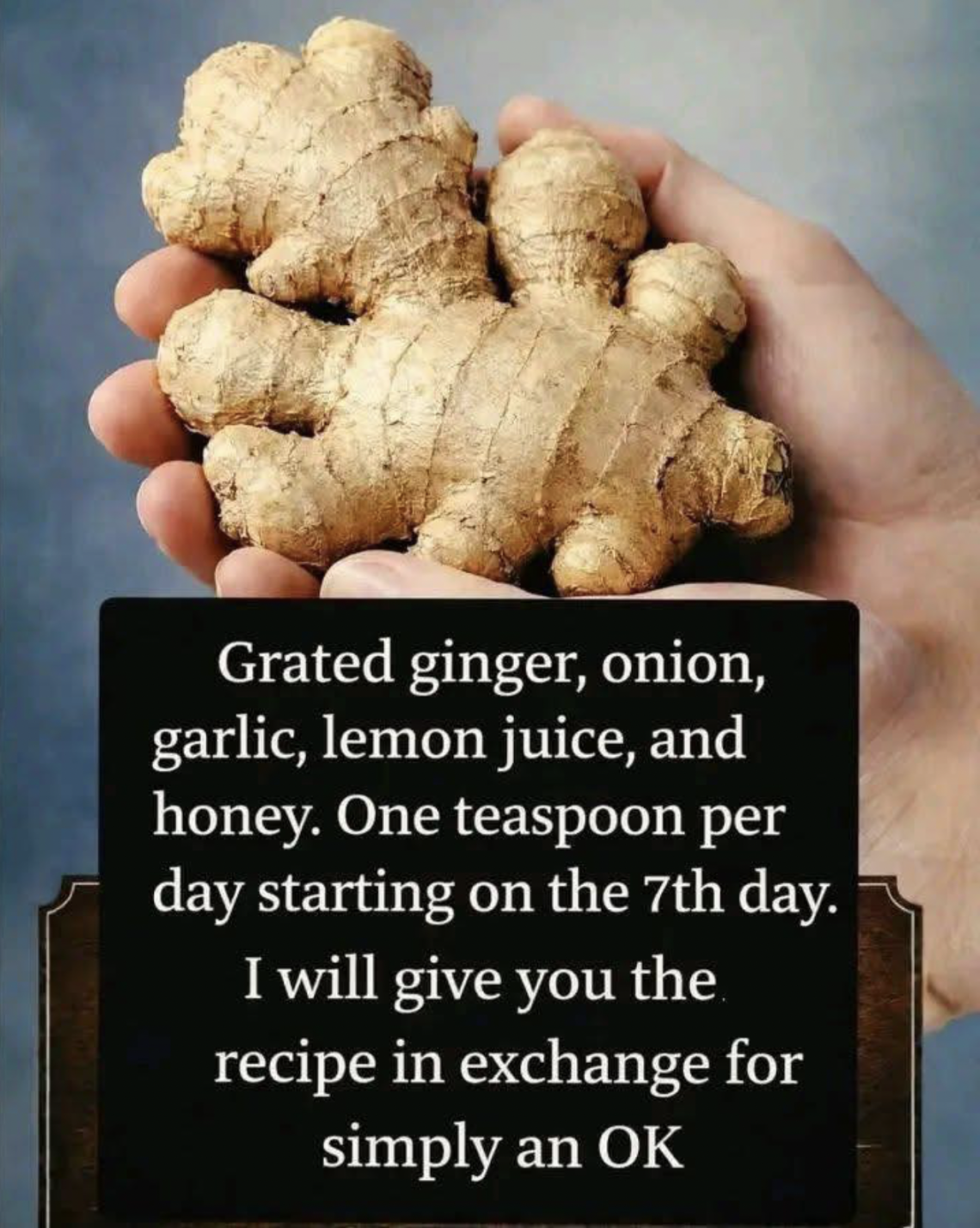
Natural home remedies have existed for centuries in nearly every culture around the world. Long before modern pharmaceuticals and processed supplements became widely available, people relied on herbs, roots, vegetables, spices, and homemade tonics to support everyday wellness. Among the many traditional combinations that continue to attract attention today, the mixture of ginger and onion has become especially popular in natural health discussions.
Sometimes called a “ginger-onion elixir,” this preparation is often promoted online as a powerful natural drink capable of boosting vitality, strengthening the immune system, improving circulation, increasing energy, and supporting overall wellness. Supporters praise the combination because both ginger and onion contain plant compounds that scientists have studied for their nutritional and biological properties.
However, as with many traditional remedies, it is important to separate:
- Evidence-based benefits
from - Exaggerated claims
The ginger-onion elixir is not a miracle cure, nor can it replace proper medical care, but both ingredients do contain nutrients and compounds that may contribute positively to health when included in a balanced lifestyle.
Understanding this remedy requires examining:
- The history of its use
- The nutritional value of its ingredients
- The science behind the claims
- The limitations of current evidence
What Is a Ginger-Onion Elixir?
A ginger-onion elixir is typically a homemade preparation made from:
- Fresh ginger
- Onion
- Water or juice base
Some versions also include:
- Honey
- Lemon
- Garlic
- Turmeric
The mixture may be:
- Blended
- Juiced
- Boiled into a tonic
- Consumed raw in small amounts
The idea behind the remedy is that combining nutrient-rich plant ingredients creates a concentrated wellness-supporting drink.
Why Ginger and Onion Are Often Combined
Ginger and onion are both widely used in:
- Cooking
- Traditional wellness practices
- Herbal remedies
They share several characteristics:
- Strong aroma
- Distinct flavor
- Naturally occurring plant compounds
- Long histories in traditional medicine systems
Because both ingredients have been studied scientifically, many people believe combining them may amplify their potential effects.
Ginger: A Closer Look
What Is Ginger?
Ginger is a root-like underground stem commonly used as:
- A spice
- Herbal ingredient
- Flavoring agent
It has been used traditionally for centuries in:
- Asian medicine traditions
- Middle Eastern remedies
- Digestive preparations
Key Compounds in Ginger
Researchers have focused heavily on compounds called:
- Gingerols
- Shogaols
These naturally occurring substances contribute to ginger’s:
- Spicy flavor
- Aroma
- Biological activity
Scientifically Studied Properties of Ginger
Research has explored ginger’s possible role in:
- Digestive comfort
- Nausea management
- Inflammatory processes
- Antioxidant activity
Some studies suggest ginger may help reduce mild nausea, particularly motion-related or pregnancy-related nausea under medical guidance.
Ginger and Digestion
Traditionally, ginger has often been consumed after meals.
People have historically used it to support:
- Digestion
- Warmth
- Stomach comfort
Its spicy compounds may stimulate saliva and digestive activity.
Ginger and Warmth
One reason people associate ginger with “vitality” is the warming sensation it creates.
After consuming ginger, many people feel:
- Warmth
- Increased alertness
- Invigoration
This sensory effect contributes strongly to its reputation as an energizing ingredient.
Onion: More Than a Cooking Ingredient
Nutritional Role of Onion
Onions are one of the most widely consumed vegetables globally.
They contain:
- Vitamin C
- Plant antioxidants
- Sulfur-containing compounds
- Fiber
Onions have long been valued both for flavor and traditional medicinal use.
Onion’s Sulfur Compounds
When onions are cut, they release sulfur-containing compounds responsible for:
- Their strong smell
- Eye irritation
- Sharp taste
Scientists have studied these compounds because they may possess antioxidant properties.
Onion and Traditional Wellness
Historically, onions were used in folk remedies for:
- Colds
- Congestion
- General wellness tonics
In some cultures, onion syrup mixed with honey became a common homemade preparation.
Why the Combination Feels Powerful
The ginger-onion elixir creates a strong sensory experience because both ingredients are:
- Aromatic
- Sharp
- Intense in flavor
This intensity often makes people psychologically associate the mixture with potency or effectiveness.
The warming effect of ginger combined with the pungency of onion creates a drink that feels “active” compared to mild herbal teas.
The Role of Antioxidants
Both ginger and onion contain antioxidant compounds.
What Are Antioxidants?
Antioxidants help protect cells from oxidative stress.
Oxidative stress is linked to:
- Aging
- Environmental stress
- Cellular damage processes
Many fruits, vegetables, herbs, and spices naturally contain antioxidants.
Reality Check About Antioxidants
Although antioxidants are important, they are often misunderstood online.
No antioxidant-rich food can:
- Stop aging
- Instantly cure illness
- Completely prevent disease
The body’s health depends on overall dietary patterns and lifestyle habits.
Claims About Immunity
Many online articles claim ginger-onion mixtures:
- “Boost immunity instantly”
- “Destroy viruses”
- “Fight all infections naturally”
These claims are exaggerated.
What Science Actually Suggests
Nutritious plant foods may support normal immune function because they provide:
- Vitamins
- Minerals
- Antioxidants
However:
- No homemade drink guarantees immunity
- Serious illnesses require medical care
- Human research on these exact mixtures is limited
Ginger-Onion Elixir and Circulation
Some supporters believe the drink improves circulation.
This idea may come from:
- Ginger’s warming sensation
- Temporary feelings of increased warmth or stimulation
Researchers have studied ginger’s effects on blood flow in limited contexts, but claims about dramatic circulation improvement remain overstated.
Digestive Support Claims
Among the more realistic traditional uses is digestive support.
Both ginger and onion may influence:
- Digestive secretions
- Flavor stimulation
- Appetite
However, some people may actually experience stomach irritation from strong raw mixtures.
Potential Downsides
Despite its natural image, this remedy is not suitable for everyone.
Possible issues include:
- Heartburn
- Stomach irritation
- Bad breath
- Digestive discomfort
Raw onion especially can irritate sensitive stomachs.
Interactions and Precautions
Ginger may interact with certain medications in some situations, especially in large supplemental amounts.
People with medical conditions should be cautious before consuming concentrated homemade remedies regularly.
The Psychological Power of Home Remedies
Part of why remedies like this feel effective is emotional and cultural.
Homemade tonics often create:
- Comfort
- Ritual
- A sense of self-care
Warm, aromatic drinks can feel soothing and energizing even beyond their nutritional value.
The Importance of Overall Lifestyle
No single remedy determines long-term health.
Vitality depends on:
- Sleep
- Nutrition
- Physical activity
- Stress management
- Hydration
- Medical care
- Social connection
The ginger-onion elixir can only play a small supportive role within a broader healthy lifestyle.
How People Commonly Prepare It
A basic version may include:
- Fresh grated ginger
- Onion juice or blended onion
- Warm water
- Honey or lemon for flavor balance
Some people prefer boiling the ingredients into a mild tonic instead of consuming them raw.
Flavor and Sensory Experience
This elixir is:
- Sharp
- Warming
- Spicy
- Pungent
The intense flavor is part of its identity and perceived strength.
Why Natural Remedies Remain Popular
People continue seeking natural remedies because they:
- Feel traditional and familiar
- Use accessible ingredients
- Offer a sense of control over wellness
- Connect to cultural practices
There is also growing interest in plant-based nutrition and holistic lifestyles.
Separating Myth from Reality
Myth:
“This drink cures diseases.”
Reality:
There is no scientific evidence that ginger-onion elixirs cure serious diseases.
Myth:
“It instantly boosts immunity.”
Reality:
Healthy nutrition supports normal immune function over time, not instantly.
Myth:
“It replaces medication.”
Reality:
Home remedies should never replace professional medical treatment.
What Science Supports
Current evidence supports that:
- Ginger and onions contain beneficial plant compounds
- Both ingredients provide antioxidants and nutrients
- Ginger may help with certain digestive issues and nausea
- Onion contains compounds studied for wellness-related properties
These are meaningful but modest benefits.
A Balanced Perspective
The healthiest way to view the ginger-onion elixir is as:
- A traditional wellness drink
- A flavorful homemade tonic
- A potentially nutritious addition to a balanced lifestyle
Not as:
- A miracle cure
- A guaranteed health solution
- A substitute for medicine

Welcome to my kitchen!
I’m a passionate home cook and recipe creator who loves turning simple ingredients into delicious, comforting meals that everyone can enjoy. Through this website, I share carefully prepared recipes, practical cooking tips, and easy-to-understand food education to help you feel more confident in the kitchen.
My goal is to make cooking simple, enjoyable, and accessible. Whether you are looking for a quick family dinner, a delicious dessert, healthy meal ideas, or traditional recipes with a modern touch, you’ll find inspiration here.
More Than Just Recipes
I believe that cooking is also a way to learn. That’s why this website is not only about recipes. I also create educational articles about ingredients, cooking techniques, kitchen tips, food preparation, and the stories behind different dishes.
Each article is designed to give you useful knowledge that you can apply in your own kitchen. From understanding how ingredients work together to learning better cooking methods, my aim is to help you become a more confident and creative cook.
My Philosophy
Good food doesn’t always require complicated ingredients or professional equipment. With a little knowledge, patience, and creativity, simple ingredients can become something truly special.
I believe in sharing recipes that are practical, clearly explained, and enjoyable to make. I also love exploring new flavors while appreciating traditional cooking and the recipes passed down through generations.
Thank you for visiting my kitchen and being part of this food-loving community. I hope my recipes and articles inspire you to cook, learn, experiment, and most importantly, enjoy every bite!
Happy cooking!