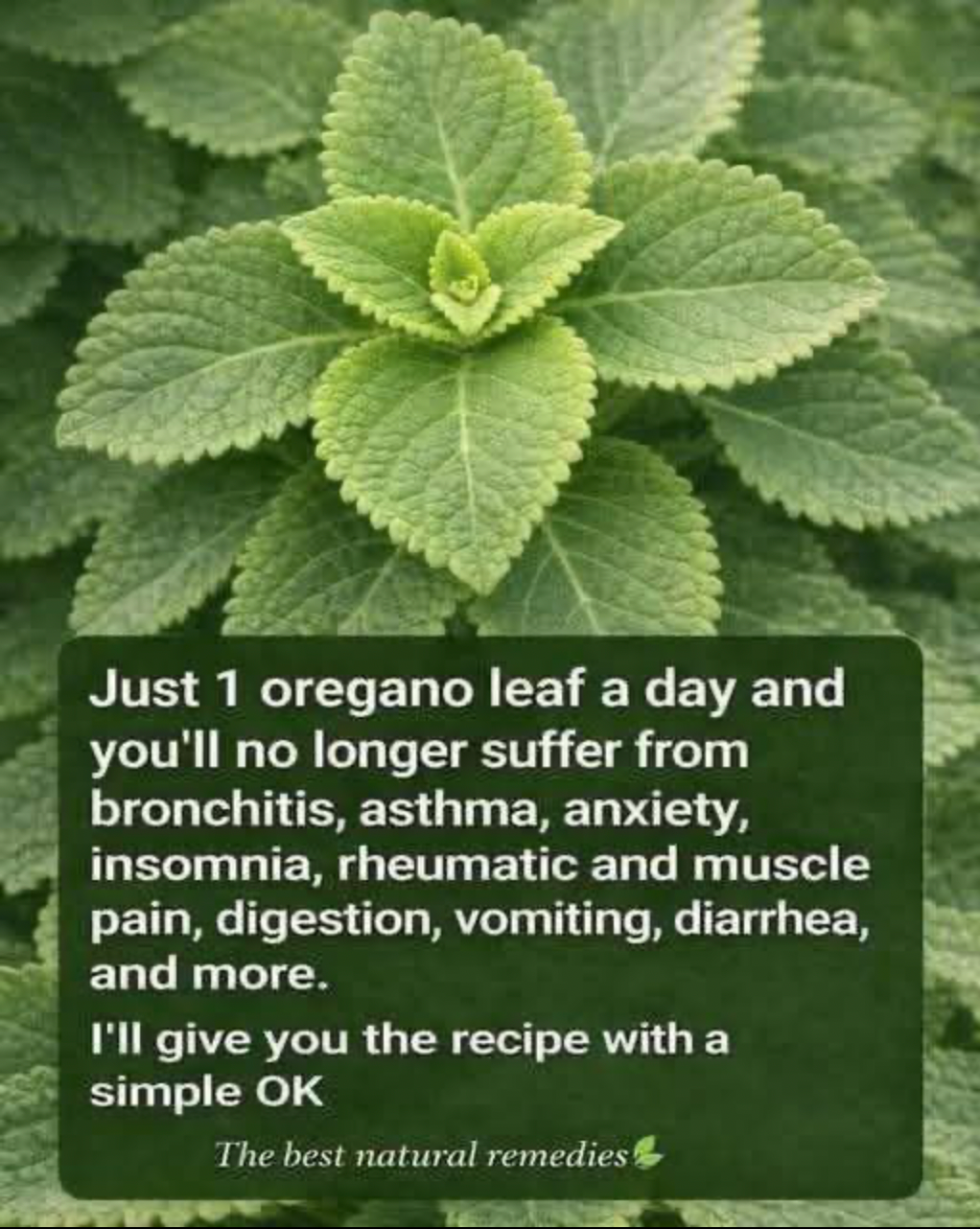
Oregano is one of the most recognizable culinary herbs in the world. Known for its warm, earthy, and slightly peppery flavor, it has long been associated with Mediterranean cooking, especially in dishes like pasta sauces, roasted vegetables, grilled meats, and pizzas. However, beyond its role in food, oregano has also attracted attention for centuries because of its traditional use in herbal wellness practices.
Modern scientific research has explored oregano more deeply, especially the natural compounds found within the plant. Researchers have studied how oregano may contribute to wellness through its antioxidant content, aromatic oils, and biologically active compounds. While oregano is not a miracle cure or replacement for medical treatment, studies suggest that it contains substances that may support certain aspects of health when included as part of a balanced lifestyle.
Understanding oregano requires separating:
- Traditional beliefs
from - Scientifically supported evidence
Many health claims online exaggerate what oregano can do, so it is important to examine the herb realistically and carefully.
What Is Oregano?
Oregano is an herb that belongs to the mint family. It is commonly associated with Mediterranean cuisine and grows naturally in warm, sunny climates.
The most commonly used culinary variety is:
- Mediterranean oregano
Oregano can be consumed in several forms:
- Fresh leaves
- Dried herb
- Herbal teas
- Essential oil extracts
Each form contains different concentrations of active compounds.
Historical Use of Oregano
For thousands of years, oregano has been used in traditional practices across:
- Greece
- Rome
- The Middle East
- Parts of Asia
Historically, oregano was used for:
- Flavoring food
- Preserving foods naturally
- Herbal wellness preparations
Ancient cultures often valued aromatic herbs because they believed strong-smelling plants had cleansing or protective qualities.
The name “oregano” itself comes from Greek roots often interpreted as “joy of the mountain.”
Key Compounds Found in Oregano
Modern science focuses heavily on the natural chemical compounds within oregano.
Two of the most studied are:
1. Carvacrol
Carvacrol is a naturally occurring plant compound found in oregano oil.
Researchers have studied it for:
- Antioxidant activity
- Antimicrobial properties
- Interaction with certain bacteria and fungi in laboratory settings
Carvacrol is considered one of the primary active components responsible for oregano’s strong aroma and biological activity.
2. Thymol
Thymol is another aromatic compound found in oregano and related herbs.
It has been studied for:
- Antioxidant effects
- Preservation properties
- Potential antimicrobial action
Thymol is also found in thyme, another herb from the same plant family.
Oregano and Antioxidants
One of oregano’s most scientifically supported qualities is its antioxidant content.
What Are Antioxidants?
Antioxidants are compounds that help protect cells from oxidative stress.
Oxidative stress occurs naturally in the body and is linked to:
- Aging
- Environmental stressors
- Inflammation processes
Many fruits, vegetables, herbs, and spices contain antioxidants.
Why Oregano Stands Out
Oregano contains concentrated plant compounds, especially when dried.
In fact, herbs and spices often contain surprisingly high antioxidant levels because they are highly concentrated plant materials.
Researchers believe oregano’s antioxidant compounds may help support overall wellness as part of a nutrient-rich diet.
Oregano and the Immune System
Many people use oregano during cold and flu season because of its traditional reputation for supporting immunity.
Scientific studies have explored whether oregano compounds may influence:
- Microbial growth in laboratory conditions
- Inflammatory responses
- General immune-supportive properties
However, it is important to understand:
- Laboratory findings do not automatically translate into proven medical treatment in humans
- More human research is still needed
Oregano should not replace professional medical care for infections or illness.
Oregano Oil and Wellness Claims
Oregano oil has become especially popular online.
This concentrated extract contains much higher levels of active compounds than ordinary culinary oregano.
People sometimes use oregano oil in attempts to support:
- Respiratory wellness
- Digestive health
- Immune function
However, oregano oil is extremely potent and should be used carefully.
Important Safety Note About Oregano Oil
Highly concentrated oregano oil can:
- Irritate skin
- Burn sensitive tissues
- Cause stomach discomfort if overused
Essential oils are far more concentrated than dried herbs used in cooking.
They should never be treated casually or consumed excessively.
Oregano and Digestive Wellness
Historically, oregano was often used after meals or in digestive preparations.
Some researchers believe oregano’s natural compounds may interact with:
- Digestive microbes
- Gut function
- Digestive comfort
Additionally, herbs and spices can help make nutritious foods more enjoyable, indirectly supporting healthier eating habits.
Oregano and Food Preservation
One fascinating area of research involves oregano’s potential role in preserving food naturally.
Scientists have studied oregano extracts because some compounds appear capable of slowing certain microbial growth in laboratory environments.
This helps explain why aromatic herbs were historically valued before refrigeration existed.
However, oregano alone is not a replacement for proper food safety practices.
Oregano and Inflammation Research
Some studies have explored whether oregano compounds may influence inflammatory processes.
Inflammation is a natural immune response, but chronic inflammation is associated with various health conditions.
Researchers are interested in plant compounds that may help support balanced inflammatory responses as part of healthy dietary patterns.
Still, human evidence remains limited and ongoing.
Oregano as Part of Mediterranean Eating Patterns
One reason oregano is associated with wellness may be connected to the overall Mediterranean dietary pattern.
Mediterranean-style eating often includes:
- Herbs
- Vegetables
- Olive oil
- Legumes
- Fish
- Whole grains
These dietary patterns are associated with positive health outcomes.
Oregano contributes flavor without requiring excessive salt, sugar, or heavy sauces.
Why Herbs Matter in Nutrition
Herbs like oregano are interesting scientifically because they:
- Add flavor naturally
- Increase dietary variety
- Contain concentrated plant compounds
Using herbs can help people:
- Reduce excess sodium intake
- Enjoy healthier foods more easily
- Increase exposure to plant nutrients
Fresh vs Dried Oregano
Both forms are useful, but there are differences.
Fresh Oregano
- Brighter flavor
- Higher water content
- More delicate aroma
Dried Oregano
- Stronger concentration
- More intense flavor
- Often richer in concentrated compounds by weight
Drying removes water, concentrating the remaining plant material.
Oregano Tea
Some people prepare oregano tea by steeping oregano leaves in hot water.
This traditional practice is often used for:
- Warm comfort during cold weather
- Relaxing herbal beverages
Scientific evidence on oregano tea specifically remains limited, but herbal teas may contribute to hydration and comfort.
What Science Does NOT Prove
It is important to avoid exaggerated claims.
Current evidence does not prove that oregano:
- Cures serious diseases
- Replaces antibiotics
- Prevents cancer
- Functions as a miracle treatment
Online health content sometimes overstates laboratory findings.
Many plant compounds show interesting effects in test tubes that do not necessarily become major effects in the human body.
The Difference Between Culinary Use and Supplement Use
Cooking with oregano is generally safe for most people.
Supplement-level use is different because:
- Concentrations are much higher
- Interactions with medications are possible
- Side effects become more likely
Anyone considering concentrated supplements should speak with a healthcare professional.
Possible Side Effects
Although culinary oregano is usually safe, excessive intake or concentrated forms may cause:
- Digestive upset
- Mouth irritation
- Allergic reactions in sensitive individuals
Essential oils should be handled carefully.
Oregano and Overall Wellness
The strongest scientific perspective is this:
Oregano may support wellness not because it is magical, but because it contributes to a healthy dietary pattern rich in:
- Plant foods
- Antioxidants
- Flavorful whole ingredients
Healthy lifestyles are built from many small habits rather than one “superfood.”
Practical Ways to Use Oregano
Oregano can be added to:
- Soups
- Tomato sauces
- Roasted vegetables
- Chicken dishes
- Salad dressings
- Beans and lentils
Using herbs generously can make nutritious meals more flavorful and satisfying.
Why People Continue to Be Fascinated by Oregano
Oregano sits at the intersection of:
- Culinary tradition
- Herbal history
- Modern scientific curiosity
It is familiar enough to feel safe and comforting, yet chemically complex enough to interest researchers.
This combination keeps oregano relevant both in kitchens and wellness discussions.

Welcome to my kitchen!
I’m a passionate home cook and recipe creator who loves turning simple ingredients into delicious, comforting meals that everyone can enjoy. Through this website, I share carefully prepared recipes, practical cooking tips, and easy-to-understand food education to help you feel more confident in the kitchen.
My goal is to make cooking simple, enjoyable, and accessible. Whether you are looking for a quick family dinner, a delicious dessert, healthy meal ideas, or traditional recipes with a modern touch, you’ll find inspiration here.
More Than Just Recipes
I believe that cooking is also a way to learn. That’s why this website is not only about recipes. I also create educational articles about ingredients, cooking techniques, kitchen tips, food preparation, and the stories behind different dishes.
Each article is designed to give you useful knowledge that you can apply in your own kitchen. From understanding how ingredients work together to learning better cooking methods, my aim is to help you become a more confident and creative cook.
My Philosophy
Good food doesn’t always require complicated ingredients or professional equipment. With a little knowledge, patience, and creativity, simple ingredients can become something truly special.
I believe in sharing recipes that are practical, clearly explained, and enjoyable to make. I also love exploring new flavors while appreciating traditional cooking and the recipes passed down through generations.
Thank you for visiting my kitchen and being part of this food-loving community. I hope my recipes and articles inspire you to cook, learn, experiment, and most importantly, enjoy every bite!
Happy cooking!