1. Introduction: Why This “Pizza” Confuses Everyone
The Taco Bell Mexican Pizza is one of the most misunderstood fast-food items ever created. At first glance, the name creates expectations of traditional Italian pizza—bread dough, tomato sauce, mozzarella, and Italian herbs. But the moment someone opens the box, that expectation is immediately broken.
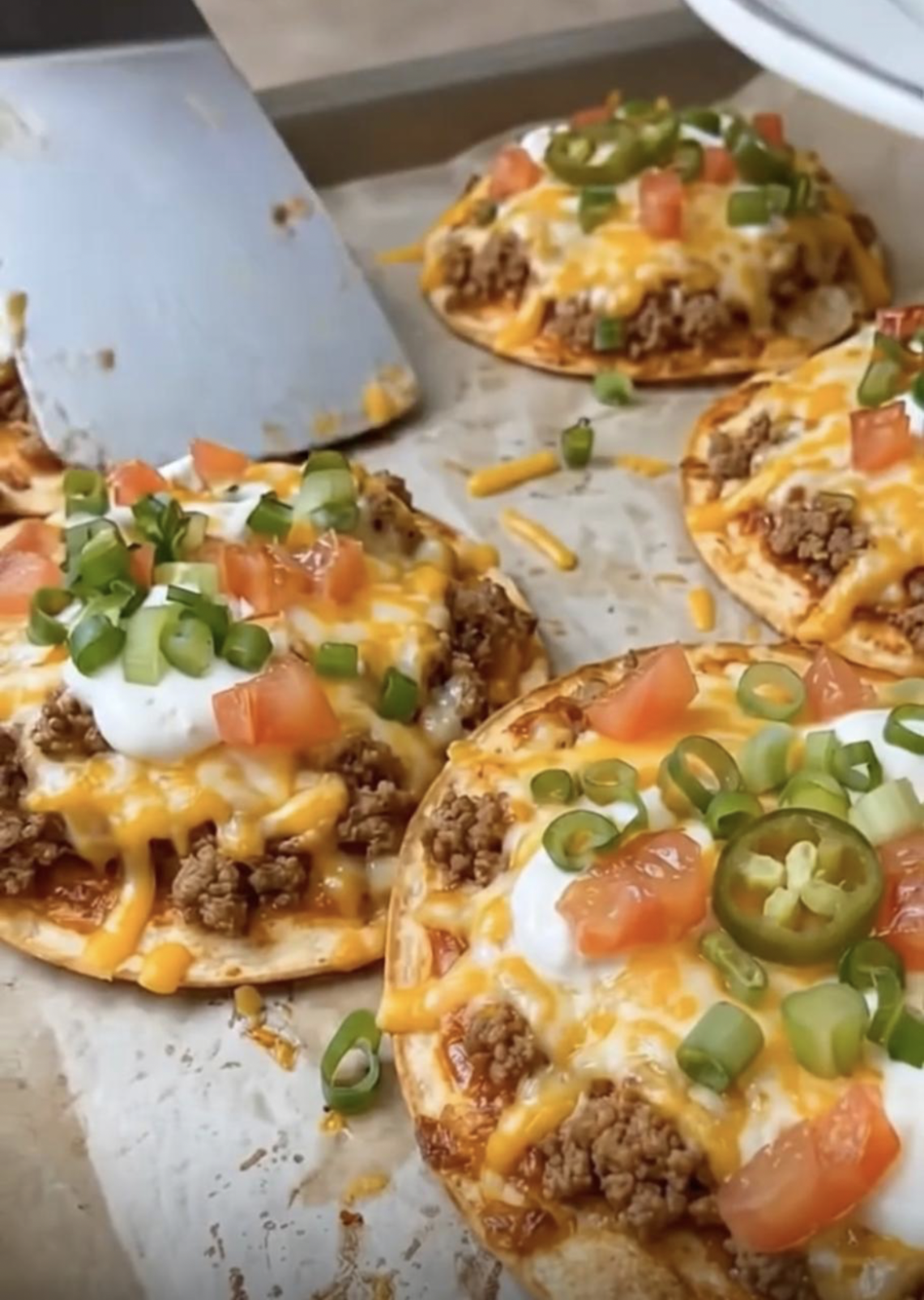
Instead of dough, there are tortillas. Instead of Italian seasoning, there is seasoned beef, refried beans, and Tex-Mex sauce. Instead of being soft and chewy, the structure is crispy, layered, and stacked like a hybrid between a tostada and a casserole.
And yet… it works. Not just works—it became a cult favorite.
The Mexican Pizza is not just food. It is a design idea in fast-food engineering: take familiar ingredients and assemble them in a way that creates multiple textures in a single bite.
2. What the Mexican Pizza Actually Is (In Simple Terms)
The Mexican Pizza is best understood as a double-layered tortilla stack dish.
It contains:
- two crispy flour tortillas
- refried beans
- seasoned ground beef (or sometimes beans as substitute)
- a mild red sauce
- melted cheese blend
- diced tomatoes
It is assembled into a round shape, heated, and then sliced like a pizza.
But structurally, it is closer to:
- a tostada sandwich
- a layered quesadilla
- a baked tortilla stack
- a mini Tex-Mex casserole
3. The Engineering Behind the Structure
What makes this item interesting is not just taste—it is construction logic.
The first tortilla (base layer)
This is fried or baked until crisp. It acts like a structural plate.
It must be:
- strong enough to hold wet ingredients
- crispy enough to avoid collapsing
- flat enough to support stacking
The filling layer
This is where moisture and flavor come in:
- refried beans create a creamy base
- beef adds protein and seasoning
- sometimes onions or spices are mixed in
This layer is intentionally soft because it contrasts the crunch.
The second tortilla (divider layer)
This is the most important structural innovation.
It:
- separates wet ingredients from top toppings
- prevents sogginess
- creates a “double decker” effect
Without it, the dish would collapse into a soggy tostada.
The topping layer
This is the finishing layer:
- red sauce (mild, slightly sweet, lightly spiced)
- shredded cheese
- diced tomatoes
When heated, the cheese melts into a blanket that binds everything together.
4. Texture Science: Why People Find It Addictive
The Mexican Pizza is successful because it plays with contrast engineering.
Human brains respond strongly to mixed textures. This dish combines:
Crunch:
- fried tortillas
- edges that stay crisp
Creaminess:
- refried beans
- melted cheese
Juiciness:
- tomatoes
- sauce layer
Softness:
- warm beef
- melted interior layers
When all of these happen in one bite, the brain interprets it as “rich” or “satisfying,” even though the ingredients are simple.
5. Flavor Profile Breakdown (Layer by Layer)
Bottom layer flavor:
The base tortilla is neutral but slightly salty and oily from frying.
Bean layer:
- mild earthiness
- creamy texture
- slight sweetness depending on seasoning
Beef layer:
- savory and spiced
- umami-rich
- slightly fatty for depth
Top sauce:
- tangy tomato base
- mild chili seasoning
- slightly sweet undertone
Cheese:
- salty
- creamy
- binds all flavors together
Tomatoes:
- fresh contrast
- slight acidity
The final result is not spicy or extreme—it is balanced comfort food flavor.
6. Why It Is Called “Pizza” (Even Though It Isn’t)
The name is actually marketing logic, not culinary accuracy.
It is called pizza because:
- it is round
- it is cut into slices
- it is shared
- it has a visible topping layer
But the structure is completely different from pizza dough.
So it is more accurate to describe it as:
a layered tortilla-based Tex-Mex stack served in pizza format
7. Historical Background (Simplified but Deep)
The Mexican Pizza was introduced in the 1980s during a time when fast-food chains were experimenting heavily with fusion items.
The goal was:
- combine Mexican-inspired flavors
- adapt them into American fast-food convenience
- create something visually unique
It quickly gained popularity because:
- it was different from tacos and burritos
- it felt more “complete” as a meal
- it was easy to eat as slices
Over time, it became one of the most requested items when it was removed from menus, showing how emotionally attached people became to it.
8. Psychological Appeal: Why People Miss It So Much
The Mexican Pizza triggers nostalgia and familiarity because:
1. Childhood memory association
Many people associate it with:
- school lunches
- late-night fast food
- weekend treats
2. “Comfort geometry”
The square box + round sliced item creates visual satisfaction.
3. Predictable flavor
It doesn’t surprise the brain—it comforts it.
4. Textural satisfaction
Crunch + melt = strong sensory reward response.
9. What Makes It Different From Other Taco Bell Items
Compared to tacos:
- not handheld folded food
- more structured and layered
Compared to burritos:
- not wrapped
- not soft throughout
Compared to nachos:
- not scattered ingredients
- more engineered structure
Compared to quesadillas:
- not single-layer melted cheese
- more complex stacking
It is its own category: a layered tortilla bake system.
10. Eating Experience (Step-by-Step Sensory Breakdown)
First bite:
Crunch from tortilla edge + melted cheese hit first.
Second phase:
Warm beef and beans create softness.
Third phase:
Sauce and tomato add tang and brightness.
Aftertaste:
Mild salty-cheesy flavor remains.
The key sensation is contrast repetition: crunchy → soft → creamy → crunchy again.
11. Why It Feels So “Comforting”
Comfort food is not just about taste—it is about predictability and texture.
The Mexican Pizza delivers:
- warm temperature
- melted cheese
- soft fillings
- crunchy base
This combination signals “safe, filling, satisfying food” to the brain.
12. Cultural Impact
The Mexican Pizza became more than a menu item—it became:
- a social media trend
- a nostalgic symbol
- a fan-requested comeback item
- a part of fast-food culture identity
People didn’t just like it—they campaigned for it.
That level of attachment is rare for fast food.

Welcome to my kitchen!
I’m a passionate home cook and recipe creator who loves turning simple ingredients into delicious, comforting meals that everyone can enjoy. Through this website, I share carefully prepared recipes, practical cooking tips, and easy-to-understand food education to help you feel more confident in the kitchen.
My goal is to make cooking simple, enjoyable, and accessible. Whether you are looking for a quick family dinner, a delicious dessert, healthy meal ideas, or traditional recipes with a modern touch, you’ll find inspiration here.
More Than Just Recipes
I believe that cooking is also a way to learn. That’s why this website is not only about recipes. I also create educational articles about ingredients, cooking techniques, kitchen tips, food preparation, and the stories behind different dishes.
Each article is designed to give you useful knowledge that you can apply in your own kitchen. From understanding how ingredients work together to learning better cooking methods, my aim is to help you become a more confident and creative cook.
My Philosophy
Good food doesn’t always require complicated ingredients or professional equipment. With a little knowledge, patience, and creativity, simple ingredients can become something truly special.
I believe in sharing recipes that are practical, clearly explained, and enjoyable to make. I also love exploring new flavors while appreciating traditional cooking and the recipes passed down through generations.
Thank you for visiting my kitchen and being part of this food-loving community. I hope my recipes and articles inspire you to cook, learn, experiment, and most importantly, enjoy every bite!
Happy cooking!