A Warm, Aromatic Infusion With Deep Traditional Roots
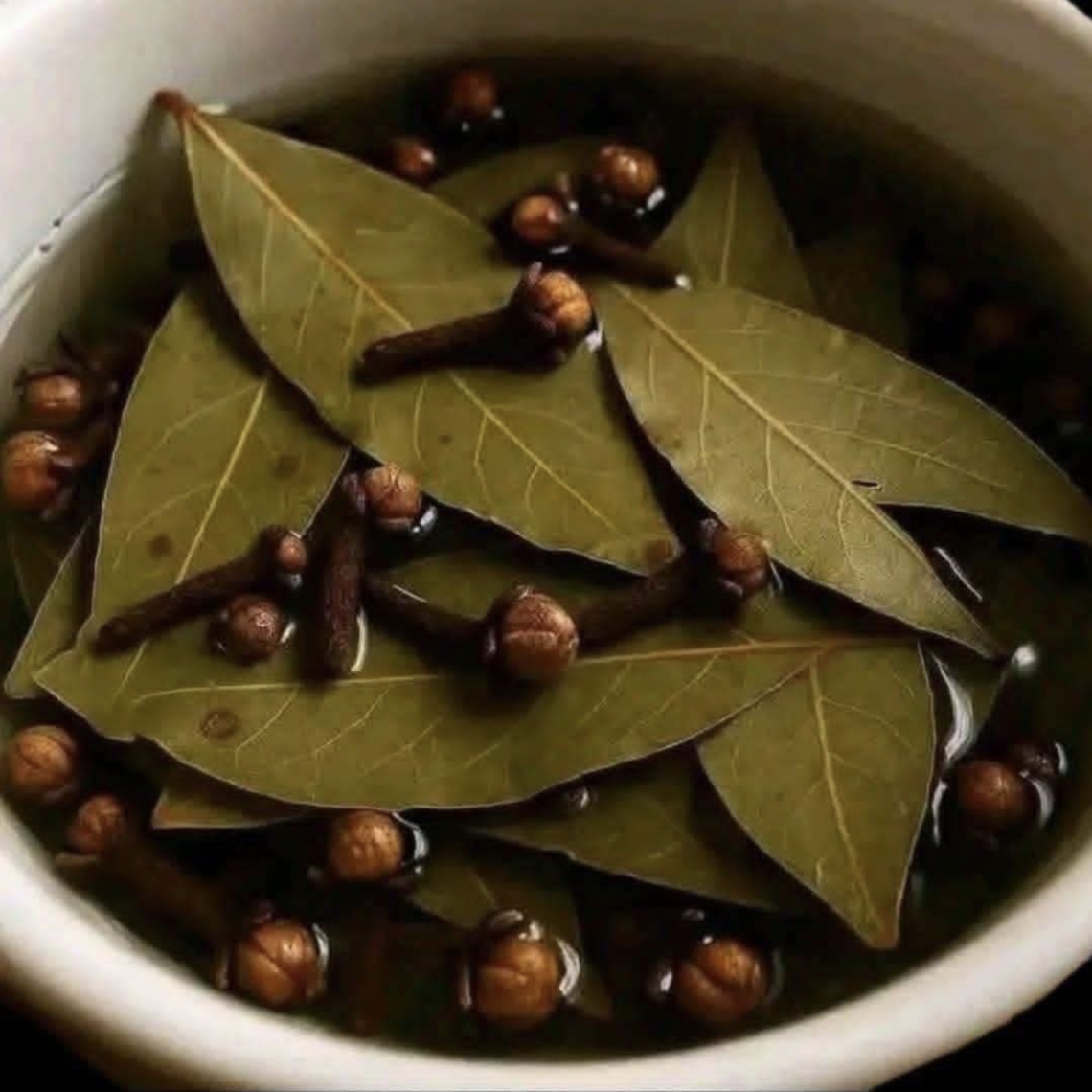
Bay leaf and clove tea is one of those simple herbal infusions that feels far more complex than its ingredient list suggests. With just two main spices—dried bay leaves and whole cloves—you can create a warm, fragrant drink that has been enjoyed in various traditional wellness practices for generations.
It is not a modern “trend drink,” but rather a classic kitchen remedy-style infusion that appears in many cultures where warming spices are used in everyday cooking and home beverages.
What makes this tea special is its combination of:
- deep earthy notes from bay leaves
- intense aromatic warmth from cloves
- a naturally soothing, comforting character
The result is a tea that feels grounding, slightly spicy, and ideal for slow sipping.
What Is Bay Leaf and Clove Tea?
At its simplest, this herbal tea is made by simmering:
- dried bay leaves (usually 1–3 leaves)
- whole cloves (usually 3–8 cloves)
- hot water
Sometimes optional additions are included, such as:
- cinnamon stick
- ginger
- honey
- lemon
But even without extras, the base combination has a strong aromatic profile.
The Flavor Profile
This tea is not mild or subtle—it is bold in aroma but smooth in taste.
Bay leaf contributes:
- slightly herbal notes
- hints of eucalyptus-like freshness
- a mild bitterness when over-steeped
- earthy undertones
Cloves contribute:
- warm spiciness
- sweet, almost peppery aroma
- deep aromatic intensity
- a lingering warmth on the tongue
Together, they create a balanced infusion that feels:
- warming
- slightly medicinal in aroma
- comforting and grounding
It is often described as a “winter-style” herbal tea.
Traditional Uses and Cultural Background
Both bay leaf and clove have long histories in culinary and traditional practices.
Bay leaves
Used widely in Mediterranean, Middle Eastern, and South Asian cooking, bay leaves are known for:
- flavoring soups and stews
- aromatic infusions
- digestive comfort traditions in herbal folklore
Cloves
Cloves have been used historically in:
- spice blends
- teas and decoctions
- traditional oral care practices due to their strong aroma
When combined, these two ingredients often appear in home remedies meant to create a warming, soothing beverage.
Potential Wellness Associations (General, Not Medical Claims)
Herbal teas like this are often consumed for general comfort and wellness support.
People commonly drink bay leaf and clove tea for:
1. Digestive comfort
Warm herbal infusions may feel soothing after meals.
2. Warming effect
Spices like clove create a sensation of internal warmth.
3. Aromatic relaxation
The scent itself can feel calming and grounding.
4. Hydration support
As a caffeine-free beverage, it contributes to daily fluid intake.
These effects are traditional and general in nature rather than medical treatments.
Ingredients (Basic Version)
To prepare a simple cup:
- 2 dried bay leaves
- 4–6 whole cloves
- 2 cups water
Optional additions:
- 1 cinnamon stick
- 1 teaspoon honey (after steeping)
- 1–2 slices fresh ginger
- lemon juice to taste
Step-by-Step Preparation
Step 1: Prepare the spices
Lightly rinse bay leaves and cloves if needed to remove dust.
Step 2: Boil water
Bring 2 cups of water to a gentle boil in a small pot.
Step 3: Add ingredients
Add:
- bay leaves
- cloves
If using optional spices like cinnamon or ginger, add them now.
Step 4: Simmer
Reduce heat and let it simmer gently for:
- 10 to 15 minutes
This allows the oils and aroma compounds to fully infuse.
Step 5: Steep further (optional but recommended)
Turn off the heat and let it sit covered for:
- 5 more minutes
This deepens the flavor.
Step 6: Strain
Pour into a cup using a fine strainer.
Step 7: Add finishing touches
Add honey or lemon if desired after it cools slightly.
Why Simmering Matters More Than Steeping
Unlike delicate teas, bay leaf and clove require heat to release their full flavor compounds.
Simmering helps:
- extract essential oils from cloves
- release aromatic compounds from bay leaves
- soften bitterness into a smoother profile
Simply steeping in hot water will produce a much weaker tea.
When to Drink It
This tea is often enjoyed:
- in the evening
- after meals
- during cold weather
- during relaxation time
Because it is caffeine-free, it can be consumed at night without stimulation.
Possible Variations
1. Spiced warming version
Add:
- cinnamon
- ginger
- black pepper
Creates a stronger, more “winter spice” flavor.
2. Mild digestive version
Use:
- fewer cloves
- shorter steeping time
Results in a gentler taste.
3. Citrus herbal version
Add:
- lemon peel or juice
- a touch of honey
Adds brightness to the earthy base.
4. Mint infusion version
Add:
- a few fresh mint leaves after brewing
Gives a cooling contrast to the warmth of cloves.
Taste Tips and Common Mistakes
Overusing cloves
Cloves are very strong. Too many can overpower the tea and make it bitter.
Overboiling bay leaves
Boiling too long can release bitterness rather than aroma.
Not covering while steeping
Covering helps trap volatile aromatic oils.
Why People Enjoy This Tea
Even though it is simple, people appreciate it because it offers:
- a strong aromatic experience
- a feeling of warmth and comfort
- a break from sugary drinks
- a connection to traditional home remedies
It feels more “crafted” than many modern herbal teas despite being extremely easy to make.
Storage Tips (For Ingredients)
To maintain freshness:
Bay leaves:
- store in airtight container
- keep away from sunlight
Cloves:
- store whole (not ground) for longer shelf life
- keep in dry, cool place
Proper storage preserves aroma and potency.

Welcome to my kitchen!
I’m a passionate home cook and recipe creator who loves turning simple ingredients into delicious, comforting meals that everyone can enjoy. Through this website, I share carefully prepared recipes, practical cooking tips, and easy-to-understand food education to help you feel more confident in the kitchen.
My goal is to make cooking simple, enjoyable, and accessible. Whether you are looking for a quick family dinner, a delicious dessert, healthy meal ideas, or traditional recipes with a modern touch, you’ll find inspiration here.
More Than Just Recipes
I believe that cooking is also a way to learn. That’s why this website is not only about recipes. I also create educational articles about ingredients, cooking techniques, kitchen tips, food preparation, and the stories behind different dishes.
Each article is designed to give you useful knowledge that you can apply in your own kitchen. From understanding how ingredients work together to learning better cooking methods, my aim is to help you become a more confident and creative cook.
My Philosophy
Good food doesn’t always require complicated ingredients or professional equipment. With a little knowledge, patience, and creativity, simple ingredients can become something truly special.
I believe in sharing recipes that are practical, clearly explained, and enjoyable to make. I also love exploring new flavors while appreciating traditional cooking and the recipes passed down through generations.
Thank you for visiting my kitchen and being part of this food-loving community. I hope my recipes and articles inspire you to cook, learn, experiment, and most importantly, enjoy every bite!
Happy cooking!