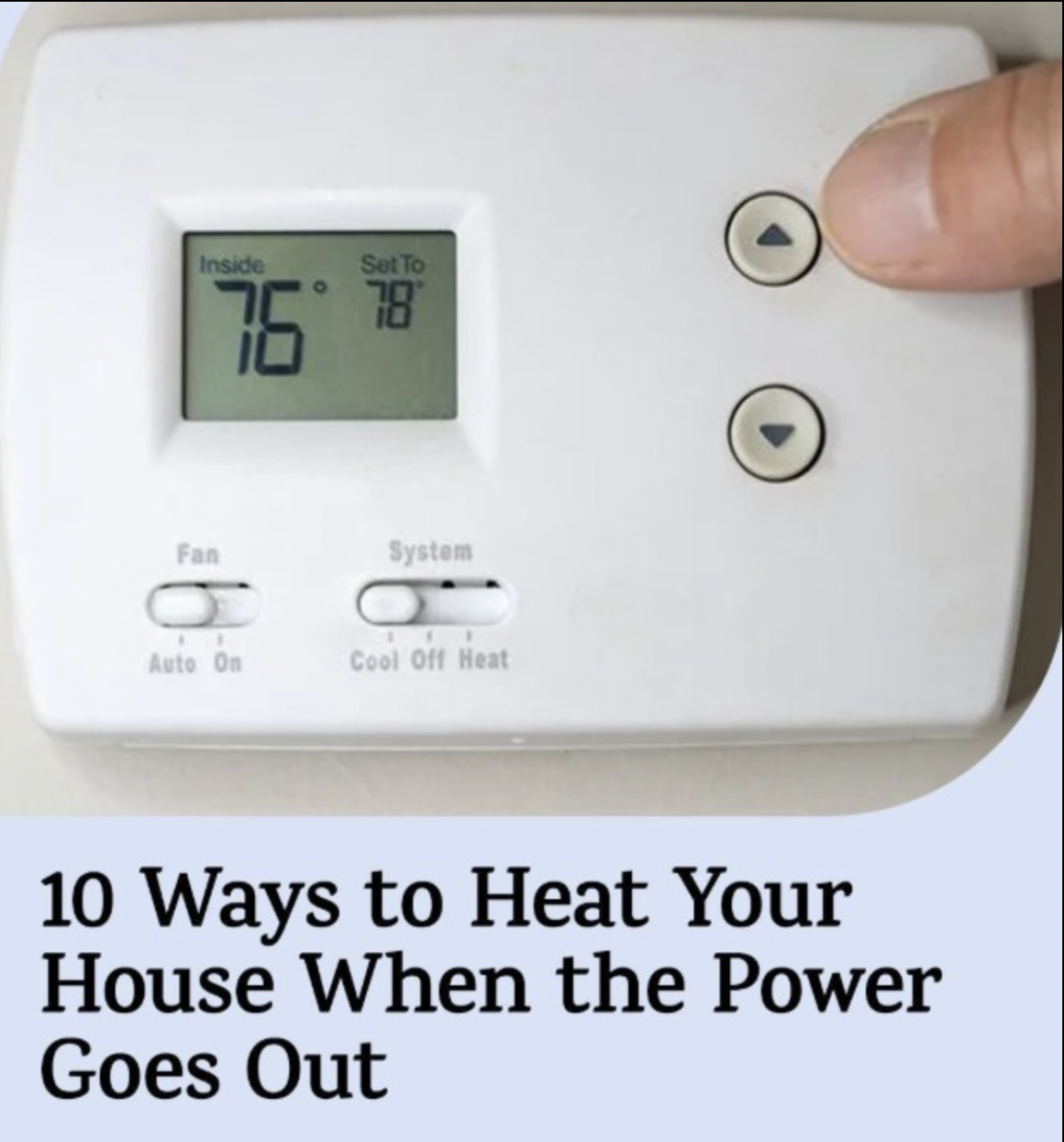
A Practical, Expert-Informed Guide for Cold Weather Emergencies
When a power outage happens during cold weather, indoor temperatures can drop faster than most people expect—especially in homes with thin walls, older windows, or limited insulation. Within just a few hours, rooms can shift from mildly uncomfortable to dangerously cold.
The good news is that even without electricity, there are several proven strategies to retain heat, generate warmth safely, and reduce heat loss. Emergency agencies like FEMA and the CDC emphasize that the goal during outages is not luxury comfort—it is maintaining safe body temperature and preventing hypothermia.
Below is a detailed, practical breakdown of what actually works.
1. Focus on One Warm “Core Room”
Instead of trying to heat your entire house, concentrate all your efforts on a single room.
Why this works
Heat escapes quickly in large spaces. By reducing the area you need to warm, you:
- trap body heat more efficiently
- reduce drafts
- conserve energy from blankets or heaters
- create a safer survival zone
Best room choice:
- smallest room available
- fewest windows
- interior room (no exterior walls if possible)
Close off all other rooms completely.
2. Block Every Draft You Can Find
Cold air enters silently through small gaps you might not notice.
Common draft points:
- windows
- door frames
- electrical outlets on exterior walls
- gaps under doors
- attic hatches
Simple blocking methods:
- rolled towels or blankets at door bottoms
- clothing stuffed into window gaps
- pillows against drafty walls
- tape or plastic sheeting over window edges
Even small air leaks can significantly drop indoor temperature over time.
3. Use Layers of Insulation, Not Just Blankets
One blanket is not enough in freezing conditions.
Better layering strategy:
- base layer: clothing (preferably cotton or thermal)
- middle layer: sweater or fleece
- outer layer: thick blanket or coat
Key principle:
Trapped air between layers is what actually insulates your body.
More layers = more heat retention.
4. Share Body Heat Safely
If multiple people are present, staying together in one room helps significantly.
How it helps:
- human bodies naturally produce heat
- shared space reduces heat loss
- collective warmth increases core temperature stability
Best practices:
- sit close together
- share blankets
- avoid spreading out in different rooms
Even pets can contribute to warmth when safely included.
5. Close Off Windows at Night
Nighttime is when heat loss accelerates.
What to do:
- close curtains fully
- add extra blankets over windows if possible
- cover glass surfaces with thick fabric
Windows are one of the biggest sources of heat loss in a home.
6. Use Safe Indoor Heat Sources Carefully
Some non-electric heat sources can be used, but safety is critical.
Safe options:
- battery-powered hand warmers
- properly ventilated emergency candles
- approved propane heaters (only if rated for indoor use)
Extremely important safety warnings:
- never use outdoor grills indoors
- never use generators inside the house
- avoid open flames in enclosed spaces without ventilation
Carbon monoxide poisoning is a serious risk.
7. Trap Heat With Simple Reflective Methods
You can reflect body heat back toward yourself using basic materials.
Methods include:
- aluminum foil behind heat sources (like candles or safe heaters)
- reflective emergency blankets (mylar blankets)
- placing beds away from cold walls
These materials reduce heat loss by reflecting warmth back inward.
8. Eat and Drink Warm, Energy-Rich Foods
Your body generates heat through digestion.
Helpful foods:
- warm soups
- hot tea (if possible)
- high-calorie snacks like nuts or peanut butter
- carbohydrates like bread or oats
Why this matters:
Food provides fuel for your metabolism, which helps maintain body heat.
9. Stay Dry at All Costs
Moisture dramatically increases heat loss.
Avoid:
- wet clothing
- damp socks
- sitting on cold wet surfaces
If clothing gets wet:
- change immediately
- dry layers near body heat
Dry insulation is far more effective than wet insulation.
10. Create a “Warm Sleeping Setup”
Sleeping properly during a power outage is critical.
Setup tips:
- sleep in one room together
- use multiple blankets
- place insulation under you (mattress, rugs, cushions)
- cover head lightly (heat escapes through head and neck)
Why insulation from below matters:
Cold floors pull heat away from the body quickly.
11. Seal Off Floors and Walls
Heat doesn’t just escape through windows—it also leaks through structural surfaces.
Helpful actions:
- rugs or carpets on bare floors
- blankets hung on cold walls
- furniture pushed against exterior walls
These steps reduce thermal loss significantly.
12. Use Safe “Heat Storage” Tricks
During daylight hours, you can store warmth for later use.
Methods:
- warm water bottles placed in blankets
- heating stones or bricks near safe heat sources (if available)
- keeping living space warm during sun hours, then sealing it at night
Thermal mass helps retain heat longer.
13. Keep Doors Closed at All Times
Every opened door releases warm air instantly.
Rule:
If a door does not need to be open, it should remain closed.
This includes:
- bedroom doors
- bathroom doors
- hallway doors
14. Dress for Sleep Like You’re Outside
Indoor sleeping during a blackout is not normal sleeping conditions.
Recommended sleep clothing:
- thermal underwear if available
- socks (very important for heat retention)
- hats or head coverings
- layered clothing
Keeping extremities warm prevents rapid heat loss.
15. Recognize Early Signs of Dangerous Cold Exposure
Knowing symptoms of hypothermia is essential.
Warning signs include:
- persistent shivering
- confusion or slowed thinking
- slurred speech
- extreme fatigue
- numb fingers or toes
If these occur, warming must be prioritized immediately.
Why Heat Loss Happens So Quickly in Homes
Homes lose heat through three main processes:
1. Conduction
Heat transfers through walls, floors, and windows.
2. Convection
Warm air escapes through leaks and drafts.
3. Radiation
Heat naturally radiates from warm objects into colder surroundings.
Without electricity, heating systems cannot counteract these losses, so passive heat retention becomes essential.
The Key Survival Principle
During a cold-weather outage, the goal is not to “heat the house.”
It is to:
conserve body heat and reduce heat loss as efficiently as possible.
Everything revolves around:
- insulation
- airflow control
- shared warmth
- and smart use of space
Welcome to my kitchen!
I’m a passionate home cook and recipe creator who loves turning simple ingredients into delicious, comforting meals that everyone can enjoy. Through this website, I share carefully prepared recipes, practical cooking tips, and easy-to-understand food education to help you feel more confident in the kitchen.
My goal is to make cooking simple, enjoyable, and accessible. Whether you are looking for a quick family dinner, a delicious dessert, healthy meal ideas, or traditional recipes with a modern touch, you’ll find inspiration here.
More Than Just Recipes
I believe that cooking is also a way to learn. That’s why this website is not only about recipes. I also create educational articles about ingredients, cooking techniques, kitchen tips, food preparation, and the stories behind different dishes.
Each article is designed to give you useful knowledge that you can apply in your own kitchen. From understanding how ingredients work together to learning better cooking methods, my aim is to help you become a more confident and creative cook.
My Philosophy
Good food doesn’t always require complicated ingredients or professional equipment. With a little knowledge, patience, and creativity, simple ingredients can become something truly special.
I believe in sharing recipes that are practical, clearly explained, and enjoyable to make. I also love exploring new flavors while appreciating traditional cooking and the recipes passed down through generations.
Thank you for visiting my kitchen and being part of this food-loving community. I hope my recipes and articles inspire you to cook, learn, experiment, and most importantly, enjoy every bite!
Happy cooking!