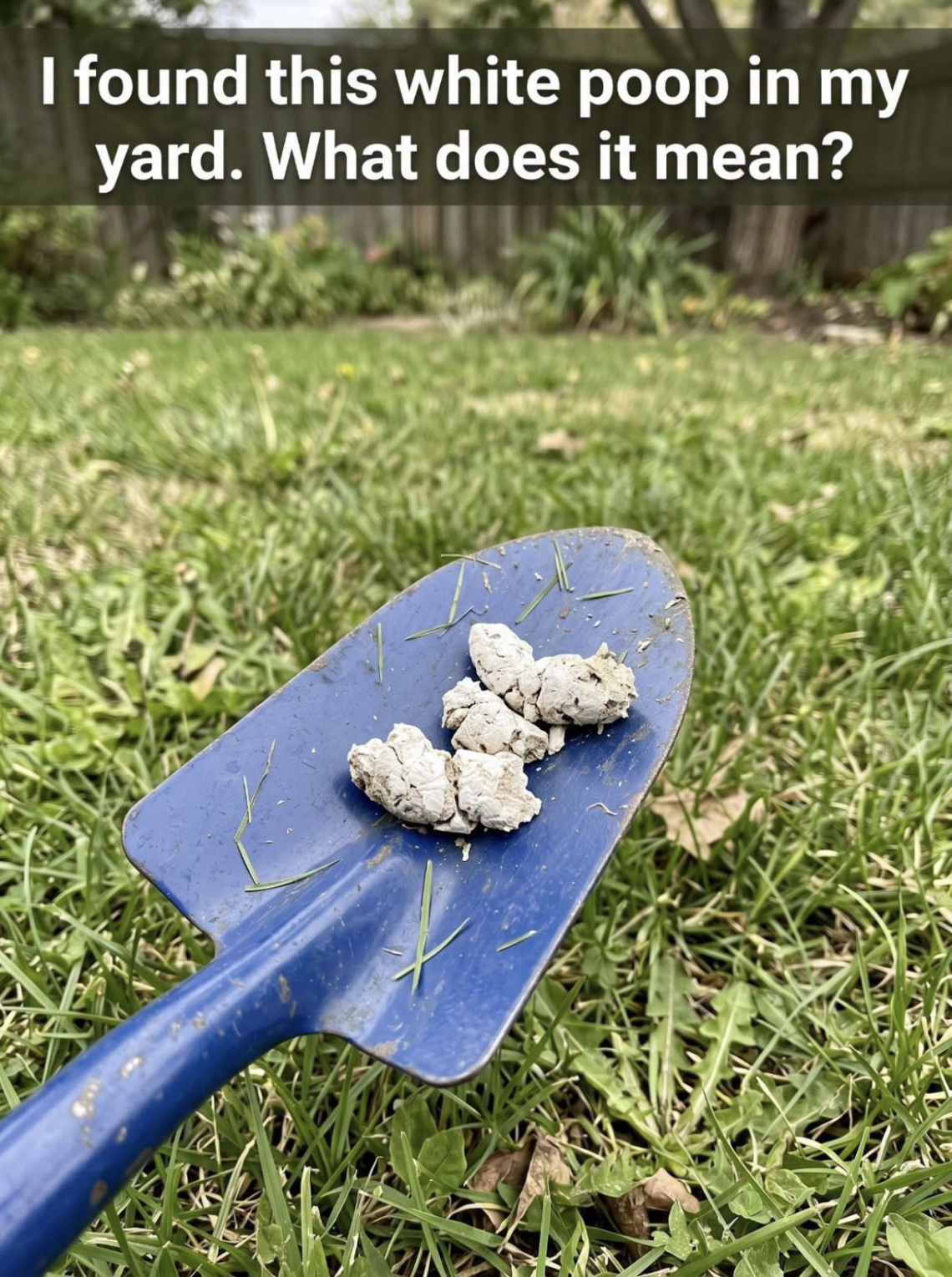
If you’ve ever taken your dog outside for a walk and noticed that their stool looked unusually white, pale gray, or chalky instead of its normal brown color, it’s completely understandable to feel concerned. Changes in your dog’s stool can sometimes provide important clues about their overall health, diet, and digestive system. While not every unusual bowel movement signals a serious problem, white or very pale stool is something that deserves attention, especially if it happens more than once or is accompanied by other symptoms.
Many pet owners immediately imagine the worst when they see an unusual color in their dog’s waste. Fortunately, there are several possible explanations, ranging from harmless dietary factors to medical conditions that require veterinary care. Understanding the difference can help you decide when to simply monitor your pet and when it’s time to schedule a visit with your veterinarian.
One important reminder: this article provides general educational information and should not replace professional veterinary advice. If your dog appears ill, is in pain, or experiences ongoing digestive problems, contacting your veterinarian is always the safest course of action.
What Does Healthy Dog Poop Look Like?
Before discussing white stool, it’s helpful to know what healthy dog feces normally look like.
A healthy bowel movement is generally:
- Medium to dark brown
- Firm but not hard
- Moist without being overly wet
- Easy for your dog to pass
- Well-formed and easy to pick up
Temporary changes in consistency or color can occur because of dietary changes, treats, stress, or mild digestive upset. However, persistent changes should never be ignored.
What Can Cause White or Pale Dog Stool?
Several different factors may contribute to unusually pale or white feces.
1. Eating Too Many Bones
One of the most common non-medical reasons for chalky white stool is consuming large amounts of bones or bone meal.
Bones contain significant amounts of calcium and minerals. After digestion, excess calcium can make the stool appear:
- White
- Pale gray
- Chalky
- Dry
- Crumbly
Dogs fed raw diets that include many edible bones may occasionally produce this type of stool.
Excessive bone consumption may also increase the risk of constipation or intestinal blockage, particularly if large or cooked bones are eaten.
2. High Calcium Intake
Calcium supplements or foods containing unusually high amounts of calcium can also affect stool color and texture.
If your dog recently started a new supplement, discuss the appropriate dosage with your veterinarian.
3. Liver or Gallbladder Disease
The liver and gallbladder help produce and transport bile, which plays an important role in digestion.
Bile pigments normally contribute to the brown color of stool.
When bile flow is reduced or blocked, stools may appear:
- Pale
- Clay-colored
- Light gray
- Whitish
Possible causes include:
- Liver disease
- Gallbladder disorders
- Bile duct obstruction
- Pancreatic disease affecting bile flow
These conditions often require prompt veterinary evaluation.
4. Pancreatic Disorders
The pancreas produces digestive enzymes that help break down food.
Certain pancreatic diseases, including pancreatitis or exocrine pancreatic insufficiency (EPI), may lead to abnormal stool color and consistency.
Affected dogs may also experience:
- Weight loss
- Poor appetite
- Greasy stools
- Chronic diarrhea
- Increased hunger despite losing weight
5. Digestive Disorders
Some gastrointestinal conditions interfere with nutrient absorption and digestion.
Examples include:
- Inflammatory bowel disease (IBD)
- Malabsorption syndromes
- Chronic intestinal inflammation
- Certain infections
These problems may change stool color, consistency, and frequency.
6. Certain Medications
Some medications can temporarily change stool appearance.
Examples may include:
- Barium used during imaging studies
- Certain antacids
- Some calcium-containing medications
If your dog recently received medication, ask your veterinarian whether stool changes are expected.
7. Intestinal Parasites
Although intestinal worms themselves usually do not turn the entire stool white, severe parasite infections may occasionally result in mucus or white segments that resemble grains of rice.
Tapeworm segments are especially recognizable.
These small white pieces often appear:
- Around the stool
- Near the anus
- On bedding
A veterinarian can diagnose parasites through a fecal examination and recommend appropriate treatment.
8. Mold After Sitting Outdoors
Sometimes the stool wasn’t originally white.
Old feces left outdoors for several days may become covered with mold or gradually bleach from prolonged sun exposure, making them appear much lighter than when first passed.
This is a normal environmental change rather than a health problem.
Symptoms That Should Never Be Ignored
White stool becomes more concerning if it occurs together with:
- Vomiting
- Loss of appetite
- Lethargy
- Abdominal pain
- Repeated diarrhea
- Constipation
- Weight loss
- Yellowing of the eyes or gums (jaundice)
- Blood in the stool
- Difficulty defecating
- Excessive thirst
- Collapse or weakness
These symptoms warrant prompt veterinary attention.
What Your Veterinarian May Check
If your dog develops persistent white or pale stool, your veterinarian may perform:
- A complete physical examination
- Dietary history
- Fecal analysis for parasites
- Blood tests
- Liver function testing
- Pancreatic enzyme testing
- Urinalysis
- Abdominal ultrasound
- X-rays if obstruction is suspected
These tests help determine the underlying cause rather than simply treating the symptom.
What Should You Do at Home?
If your dog passes one unusually pale stool but otherwise seems completely healthy:
- Monitor them for the next bowel movements.
- Think about any recent dietary changes.
- Consider whether they recently ate bones or unusual foods.
- Ensure they have access to fresh drinking water.
- Avoid making multiple sudden dietary changes.
If the abnormal stool continues for more than a day or two, or if your dog develops additional symptoms, contact your veterinarian.
Preventing Digestive Problems
Although not every cause can be prevented, good habits help support digestive health.
These include:
- Feeding a balanced commercial or veterinarian-approved homemade diet.
- Avoiding excessive amounts of bones unless specifically recommended and appropriately balanced.
- Keeping your dog well hydrated.
- Maintaining regular veterinary checkups.
- Following an appropriate deworming schedule based on your veterinarian’s recommendations.
- Preventing access to garbage and spoiled food.
- Introducing new foods gradually.
Frequently Asked Questions
Is white dog poop always an emergency?
No. If your dog recently consumed a large amount of bone, the stool may become temporarily chalky. However, repeated pale stools or stools accompanied by illness should always be evaluated by a veterinarian.
Can dehydration cause white poop?
Dehydration alone does not usually cause white stool, although it may contribute to harder, drier feces.
Can treats change stool color?
Yes. Certain treats, supplements, and diets can temporarily affect stool color and consistency.
Should I change my dog’s food immediately?
Not necessarily. Unless your veterinarian advises otherwise, avoid making abrupt dietary changes. Instead, monitor your dog and discuss persistent changes with your veterinary clinic.
What if my dog seems perfectly normal?
Even if your dog appears healthy, persistent white or clay-colored stool deserves a veterinary assessment because it can occasionally indicate problems involving the liver, gallbladder, pancreas, or digestive system.
When Should You Contact a Veterinarian Immediately?
Seek prompt veterinary care if your dog has:
- Repeated white or pale stools.
- White stool along with vomiting or diarrhea.
- Signs of abdominal pain.
- Difficulty passing stool.
- Blood in the stool.
- Yellow skin, eyes, or gums.
- Severe lethargy.
- Refusal to eat.
- Sudden weakness or collapse.
Early diagnosis often improves outcomes if an underlying illness is present.
Welcome to my kitchen!
I’m a passionate home cook and recipe creator who loves turning simple ingredients into delicious, comforting meals that everyone can enjoy. Through this website, I share carefully prepared recipes, practical cooking tips, and easy-to-understand food education to help you feel more confident in the kitchen.
My goal is to make cooking simple, enjoyable, and accessible. Whether you are looking for a quick family dinner, a delicious dessert, healthy meal ideas, or traditional recipes with a modern touch, you’ll find inspiration here.
More Than Just Recipes
I believe that cooking is also a way to learn. That’s why this website is not only about recipes. I also create educational articles about ingredients, cooking techniques, kitchen tips, food preparation, and the stories behind different dishes.
Each article is designed to give you useful knowledge that you can apply in your own kitchen. From understanding how ingredients work together to learning better cooking methods, my aim is to help you become a more confident and creative cook.
My Philosophy
Good food doesn’t always require complicated ingredients or professional equipment. With a little knowledge, patience, and creativity, simple ingredients can become something truly special.
I believe in sharing recipes that are practical, clearly explained, and enjoyable to make. I also love exploring new flavors while appreciating traditional cooking and the recipes passed down through generations.
Thank you for visiting my kitchen and being part of this food-loving community. I hope my recipes and articles inspire you to cook, learn, experiment, and most importantly, enjoy every bite!
Happy cooking!