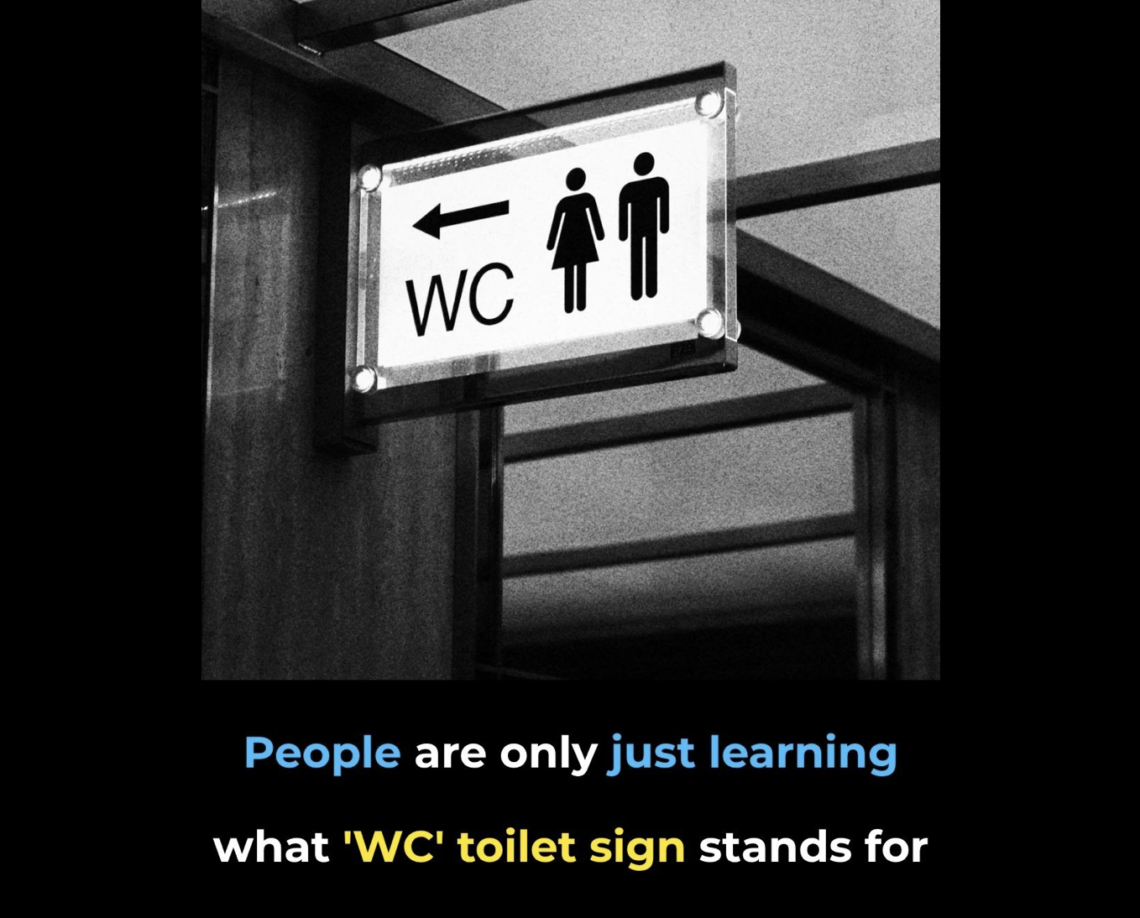
If you’ve ever traveled, especially across Europe, North Africa, or parts of Asia, you’ve likely seen the letters “WC” on a door instead of the words “toilet,” “restroom,” or “bathroom.” For many people, especially those used to English signage, this can be confusing at first.
The abbreviation “WC” is actually quite old, and its meaning is rooted in the history of plumbing, architecture, and social habits. Even though modern language has evolved, the sign remains widely used in many countries.
Understanding what “WC” means is not just about translation—it also tells a story about how sanitation developed over time.
What Does “WC” Stand For?
“WC” stands for Water Closet.
At its simplest, a water closet is:
- A room containing a toilet
- A space designed specifically for human waste disposal
- A private, enclosed area connected to a water-based flushing system
Breaking Down the Term “Water Closet”
To understand the meaning fully, it helps to break the phrase into two parts:
“Water”
This refers to the use of water in flushing waste away.
Before modern plumbing, toilets did not use water systems.
“Closet”
Historically, a “closet” meant:
- A small enclosed room
- A private space
- A storage or utility area
So, a “water closet” literally meant:
A small private room with a water-based toilet system
Historical Origins of the Water Closet
Before Indoor Plumbing
Before the invention of modern toilets, people used:
- Chamber pots
- Outhouses
- Communal latrines
These systems were:
- Unhygienic
- Smelly
- Often located outside the home
The Introduction of Flushing Toilets
The concept of a flushing toilet began to develop in the 16th century but became more practical and widespread in the 18th and 19th centuries.
One important figure in this development was Thomas Crapper, who helped popularize improved toilet systems in England.
As indoor plumbing became more common, homes began to include small private rooms with these new water-based toilets.
These rooms were called water closets.
Why the Term “WC” Became Popular
As plumbing spread across Europe, especially in the 19th century:
- The English term “Water Closet” was adopted internationally
- It was shortened to “WC” for convenience
- It became a standard label on doors and building plans
Many non-English-speaking countries kept the abbreviation even if they used different words in daily speech.
Why “WC” Is Still Used Today
Even though modern English prefers words like “bathroom” or “restroom,” the abbreviation “WC” remains widely used for several reasons:
1. International Recognition
“WC” is understood across many languages without translation.
2. Simplicity
It is short, clear, and easy to print on signs.
3. Tradition
Many countries continue using it because it has been part of signage for generations.
Where You Are Most Likely to See “WC”
You will commonly see “WC” in:
- Europe (France, Spain, Germany, Italy)
- Morocco and many North African countries
- Turkey
- Parts of Asia
- Older buildings or public facilities
In Morocco, for example, “WC” is often used alongside French terms like “toilettes.”
Differences Between WC and Other Terms
Bathroom
- Common in American English
- May include a toilet, sink, and shower or bath
Restroom
- Common in public places in the United States
- A polite term, even though people are not actually resting
Toilet
- Direct and widely used internationally
- Refers specifically to the fixture
Lavatory
- More formal term
- Often used in aviation or formal settings
WC
- Refers specifically to the toilet space
- Neutral and internationally recognized
Cultural Differences in Usage
Different cultures use different terms depending on language and customs:
- In the UK, “toilet” or “loo” is common
- In the US, “bathroom” or “restroom” is preferred
- In France, “WC” is very common
- In Morocco, both “WC” and French terms are used
The use of “WC” often reflects historical European influence.
Is a WC Always a Bathroom?
Not exactly.
A water closet is specifically:
- A room with a toilet
It may or may not include:
- A sink
- A shower
- A bathtub
In some homes, the toilet is in a separate small room (the WC), while the bath or shower is in another room.
Why Some Places Prefer “WC”
There are practical reasons why “WC” is still preferred in signage:
- It avoids language barriers
- It is neutral and not culturally sensitive
- It is widely recognized by tourists
- It fits easily on signs
Modern Relevance
Even today, “WC” remains relevant because:
- It is used in international travel
- It appears in airports, train stations, and public buildings
- It is part of architectural terminology
It is one of the few historical terms that has survived unchanged in global use.
Common Misunderstandings
“WC means washroom”
Not exactly. It specifically refers to the toilet area, not the act of washing.
“WC is outdated”
It is old, but still widely used and understood.
“WC is only British”
It originated in England but is now international.
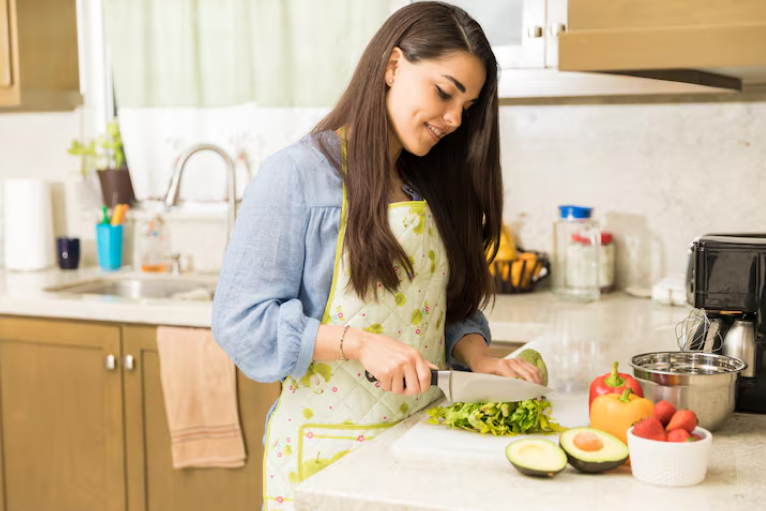
Welcome to my kitchen!
I’m a passionate home cook and recipe creator who loves turning simple ingredients into delicious, comforting meals that everyone can enjoy. Through this website, I share carefully prepared recipes, practical cooking tips, and easy-to-understand food education to help you feel more confident in the kitchen.
My goal is to make cooking simple, enjoyable, and accessible. Whether you are looking for a quick family dinner, a delicious dessert, healthy meal ideas, or traditional recipes with a modern touch, you’ll find inspiration here.
More Than Just Recipes
I believe that cooking is also a way to learn. That’s why this website is not only about recipes. I also create educational articles about ingredients, cooking techniques, kitchen tips, food preparation, and the stories behind different dishes.
Each article is designed to give you useful knowledge that you can apply in your own kitchen. From understanding how ingredients work together to learning better cooking methods, my aim is to help you become a more confident and creative cook.
My Philosophy
Good food doesn’t always require complicated ingredients or professional equipment. With a little knowledge, patience, and creativity, simple ingredients can become something truly special.
I believe in sharing recipes that are practical, clearly explained, and enjoyable to make. I also love exploring new flavors while appreciating traditional cooking and the recipes passed down through generations.
Thank you for visiting my kitchen and being part of this food-loving community. I hope my recipes and articles inspire you to cook, learn, experiment, and most importantly, enjoy every bite!
Happy cooking!