There are some kitchen tools that look so unusual the first time you see them that you immediately wonder what they could possibly be used for.
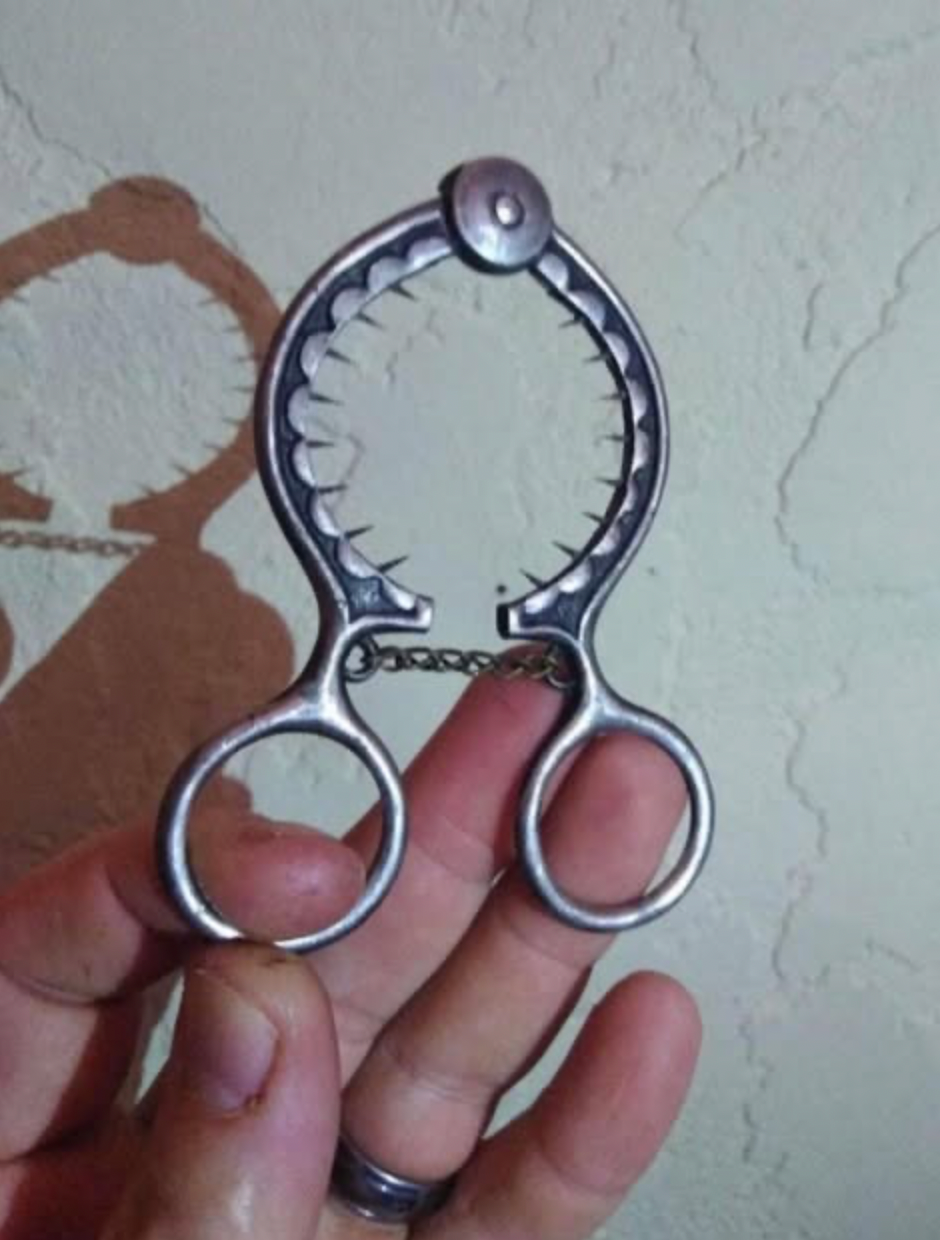
An egg topper cutter is one of those tools.
At first glance, it may look like a tiny pair of scissors, a miniature scoop, or even some kind of old-fashioned kitchen gadget whose purpose has been lost over time. But once you understand how it works, its purpose becomes surprisingly simple.
An egg topper, sometimes called an egg cutter, egg opener, or egg shell cutter, is designed to remove the top portion of a boiled egg neatly, allowing you to eat the egg directly from its shell.
It is especially useful for soft-boiled eggs, where the white and yolk remain inside the shell and are traditionally eaten with a small spoon.
Instead of cracking the egg against the edge of a bowl or trying to remove the shell with your fingers, the tool creates a clean opening at the top.
And although it may seem like a novelty, it can actually be a very practical little kitchen accessory.
What Exactly Is an Egg Topper?
An egg topper is a small kitchen utensil designed to cut or crack the upper portion of an eggshell.
Different designs work in slightly different ways.
Some have a scissor-like mechanism.
Some have a circular cutting edge.
Others use a spring-loaded action that allows you to position the tool around the top of the egg and create a controlled break.
The basic principle is always similar:
Instead of breaking the entire eggshell, you remove only the top portion.
This creates a small opening through which you can eat the egg.
Why Would Anyone Want to Cut the Top Off an Egg?
The answer goes back to the traditional way of eating soft-boiled eggs.
A soft-boiled egg has a delicate white and a creamy yolk.
If you peel the entire egg, you can easily damage the soft white.
If you crack it aggressively, the shell can break into dozens of tiny pieces.
But if you remove only the top, the egg remains inside its shell.
You can place it upright in an egg cup, sprinkle it with salt and pepper, and eat it directly with a small spoon.
It’s simple, tidy, and surprisingly elegant.
The Traditional Soft-Boiled Egg
The egg topper makes the most sense when preparing soft-boiled eggs.
A typical soft-boiled egg has:
- a cooked but tender white
- a soft or runny yolk
- a shell that remains intact
- a creamy center perfect for dipping toast
The egg can be served upright in an egg cup.
The top is removed.
Then the contents can be eaten directly from the shell.
This style of serving is especially popular in European breakfast traditions.
Why the Tool Looks So Strange
Kitchen tools are usually designed around obvious tasks.
Knives cut.
Spoons scoop.
Whisks mix.
Peelers remove skins.
An egg topper has a much more specialized job.
It doesn’t cut vegetables.
It doesn’t open cans.
It doesn’t chop food.
It exists almost entirely for one purpose:
creating a neat opening in an eggshell.
That’s why it can look almost ridiculous to someone who has never seen one used.
But once you’ve used one successfully, the design suddenly makes sense.
How to Use an Egg Topper
The exact method depends on the style of egg topper you own, but the general process is straightforward.
Step 1: Prepare Your Egg
Start with a cooked egg.
For the traditional method, a soft-boiled egg works best.
The egg should be cooked to the desired level before you attempt to open it.
Step 2: Place the Egg Upright
Put the egg in an egg cup.
The narrower end or wider end can be used depending on the shape and your preference, although many people prefer the wider end because it provides a larger opening.
Make sure the egg is stable.
This is important because the shell is fragile.
Step 3: Position the Cutter
Place the egg topper around the upper section of the shell.
Try to position it evenly.
You don’t want the tool sitting at a steep angle.
A straight, controlled position makes it easier to create a clean opening.
Step 4: Activate the Tool
Depending on the design, you may need to squeeze handles, pull a mechanism, or release a spring-loaded cutter.
Do this gently.
You don’t need excessive force.
The goal is to create a controlled fracture around the shell rather than crush the entire egg.
Step 5: Remove the Top
Once the shell has been cut or cracked, lift away the top portion.
If the shell doesn’t separate immediately, don’t force it.
Gently work around the edge.
You should now have a small opening at the top of the egg.
Step 6: Eat With a Small Spoon
Now comes the best part.
Take a small teaspoon and gently scoop the egg white and yolk.
You can eat it directly from the shell.
The yolk can remain beautifully soft and creamy.
Add Salt and Pepper
The traditional combination is simple:
- salt
- freshly ground pepper
You don’t need much.
A small pinch can be enough to bring out the flavor of the egg.
Add Toast Soldiers
One of the most enjoyable ways to eat a soft-boiled egg is with toast strips.
These strips are sometimes called toast soldiers.
Cut a slice of toast into narrow pieces.
Dip them directly into the soft yolk.
The crunchy toast combines beautifully with the creamy egg yolk.
It’s a very simple breakfast, but it can feel surprisingly luxurious.
Why the Egg Topper Can Be Better Than a Knife
You can technically open an egg using a knife.
But the result can be unpredictable.
A knife may:
- crack too much shell
- create sharp fragments
- damage the egg white
- produce an uneven opening
- require more coordination
An egg topper is designed specifically for this task.
Its main advantage is control.
Why It Can Be Better Than Tapping the Egg
Another common method is tapping the top of the egg with a spoon.
This works.
But it can also create an irregular crack.
You may end up with tiny pieces of shell around the opening.
An egg topper is designed to produce a cleaner cut.
That can be particularly useful when serving eggs to guests.
A Small Tool With a Big Presentation Advantage
Imagine preparing breakfast for guests.
You place a warm soft-boiled egg in a small egg cup.
You carefully remove the top.
Then you add a pinch of salt and pepper.
Next to it, you place several golden strips of toast.
Suddenly, an ordinary egg looks like a carefully prepared breakfast.
This is one reason specialized kitchen tools can be fun.
They aren’t always about making cooking faster.
Sometimes they make a simple meal more enjoyable.
What Kind of Eggs Work Best?
Soft-boiled eggs are the classic choice.
However, the tool may also be useful for eggs that are slightly more firmly cooked.
The important thing is that the egg is still intended to remain inside the shell.
If you’ve cooked the egg until the yolk and white are completely firm and you want to remove the entire shell, a traditional egg-peeling method is generally more practical.
Why Egg Temperature Matters
If you’re serving a soft-boiled egg, temperature affects the experience.
A freshly cooked egg will be warm and creamy.
However, be careful when handling it.
The shell may be hot immediately after cooking.
Use an egg cup rather than holding the hot egg directly in your hand.
Be Careful With the Shell
Eggshells are fragile.
Even with a specialized cutter, don’t squeeze excessively.
Too much pressure can crush the shell instead of cutting it.
The tool should do most of the work.
What If the Shell Cracks Too Much?
Don’t worry.
It happens.
Eggshell thickness varies.
The age of the egg can also affect how easily the shell behaves.
If the first attempt isn’t perfectly clean, remove the loose pieces carefully and continue.
After a few uses, you’ll develop a feel for the right amount of pressure.
The Importance of Egg Size
Not all egg toppers are designed for exactly the same egg size.
A tool designed around standard chicken eggs may not work perfectly with very small or unusually large eggs.
Before using it, check whether the tool’s opening is suitable for your eggs.
A poor fit can make the cutting process more difficult.
What About Different Egg Shapes?
Eggs aren’t perfectly identical.
Some are rounder.
Some are more elongated.
Some have a more pronounced point.
The shape can influence where you position the cutter.
If the egg has a particularly narrow top, you may need to adjust the position slightly to get the opening you want.
How Large Should the Opening Be?
This depends on how you intend to eat the egg.
A small opening works if you’re using a tiny spoon.
A larger opening makes it easier to reach the yolk and scoop out more of the white.
For dipping toast, a reasonably wide opening is often preferable.
But you don’t want to remove half the egg.
The whole charm of the egg topper is that the egg remains largely intact.
The Egg Cup Is Part of the Experience
An egg topper works best when paired with an egg cup.
An egg cup provides a stable base.
It keeps the egg upright.
It also makes it much easier to use the topper without holding the egg in your hand.
If you don’t have an egg cup, a small stable dish can sometimes work, but you should make sure the egg cannot easily roll over.
A Breakfast That Looks More Elegant Than It Is
One of the interesting things about soft-boiled eggs is that they’re extremely simple.
You’re essentially eating:
- an egg
- toast
- salt
- pepper
Yet the presentation can look sophisticated.
The egg cup, spoon, and neatly cut shell give the breakfast a traditional appearance.
It’s a reminder that presentation doesn’t always require expensive ingredients.
Other Ways to Serve a Soft-Boiled Egg
Once you’ve opened the egg with the topper, you don’t have to eat it plain.
You can add:
- black pepper
- herbs
- chili flakes
- a small amount of grated cheese
- smoked paprika
- fresh chives
- toasted bread
- avocado
- sautéed vegetables
However, keep in mind that the opening is relatively small.
You don’t want to overload it with ingredients.
Soft-Boiled Eggs and Dipping Toast
The combination deserves special attention.
Toast soldiers are ideal because they’re narrow enough to fit into the opening.
Toast them until the outside is crisp but the inside retains a little softness.
Then cut them into strips.
Dip them into the yolk.
The texture combination is what makes this breakfast so appealing.
Crunchy toast.
Creamy yolk.
Tender egg white.
A little salt.
A little pepper.
Simple ingredients, excellent contrast.
Can You Use the Tool on Raw Eggs?
This depends entirely on the design of the egg topper.
Many are intended for cooked eggs, especially soft-boiled eggs.
You should follow the instructions provided with your particular tool.
Cutting raw eggshell can be messier because the contents are liquid.
If the tool isn’t designed for raw eggs, don’t experiment with it.
Cleaning the Egg Topper
Like any kitchen utensil, the egg topper should be cleaned after use.
Egg residue can dry quickly.
Rinse it soon after using it.
If the manufacturer says it is dishwasher-safe, you can place it in the dishwasher according to the instructions.
If not, wash it by hand with warm water and dish soap.
Pay Attention to Small Crevices
Some egg toppers have hinges, springs, cutting edges, or narrow spaces where egg residue can collect.
Use a small brush if necessary.
Make sure the tool is thoroughly rinsed.
Then dry it completely.
Why Drying Matters
Metal kitchen tools can develop corrosion or unpleasant buildup if they remain wet.
After washing, dry the topper with a clean towel or allow it to air-dry thoroughly.
If the tool contains moving metal parts, follow the manufacturer’s care instructions.
Is an Egg Topper Really Necessary?
No.
That’s part of what makes it interesting.
You absolutely can eat a soft-boiled egg without one.
You can crack the shell with a spoon.
You can use a knife.
You can peel the egg.
The egg topper isn’t essential.
It’s a convenience tool.
But that’s true of many kitchen gadgets.
A garlic press isn’t necessary.
A citrus reamer isn’t necessary.
A pastry cutter isn’t necessary.
A specialized tool exists because someone wanted a particular task to be easier, cleaner, or more enjoyable.
Why Old Kitchen Tools Are So Interesting
Specialized kitchen utensils tell us something about how people used to cook and eat.
Before modern kitchens became filled with multifunctional appliances, there were many small tools designed for very specific jobs.
An egg topper is a perfect example.
It reflects a time when breakfast could be a small ritual rather than simply something eaten quickly before work.
You sat down.
You had an egg cup.
You had a spoon.
You had toast.
You took your time.
The Tool Is About More Than Cutting
At first, the egg topper appears to be nothing more than a shell-cutting device.
But its real purpose is presentation.
It allows the egg to remain in its natural container.
The shell becomes the serving bowl.
That is what makes the tool clever.
Instead of removing the shell completely, you use the shell itself as part of the presentation.
Why This Tool Can Feel Almost “Magical”
There is a satisfying moment when the cutter works correctly.
You position it.
You squeeze.
You hear a small crack.
Then the top lifts away.
Underneath is the creamy interior of the egg.
The entire process takes seconds.
It’s a tiny demonstration of good kitchen design.
The Engineering Behind the Simplicity
The tool’s design is based on a simple principle:
Apply controlled force to a specific part of a fragile shell.
The eggshell is strong enough to protect the egg but fragile enough to fracture under concentrated pressure.
The cutter takes advantage of this.
Instead of applying force randomly, it concentrates the action around a small section of the shell.
That’s why the tool can create a relatively clean opening.
Why the Shell Doesn’t Simply Crush
When you crack an egg with your hand, pressure can spread unpredictably.
The shell may break in several directions.
An egg topper concentrates the force.
Depending on the model, the cutting edge or mechanism creates a controlled fracture.
This reduces the likelihood of crushing the entire shell.
The Difference Between an Egg Topper and an Egg Slicer
These tools are often confused.
An egg slicer is designed to cut a fully cooked, peeled egg into slices.
An egg topper is designed to remove part of the shell from an egg, usually a soft-boiled egg.
They serve completely different purposes.
An egg slicer gives you neat slices.
An egg topper gives you access to an egg that remains inside its shell.
The Difference Between an Egg Topper and an Egg Separator
An egg separator separates the white from the yolk.
An egg topper does not separate anything.
It simply opens the shell.
Again, the names can sound confusing, but the functions are completely different.
A Tool That Can Make Breakfast Feel Special
Modern life often encourages us to rush through meals.
Breakfast becomes something we eat while standing in the kitchen.
Or something we grab on the way out the door.
An egg topper encourages the opposite.
It creates a small ritual.
Boil the egg.
Place it in the cup.
Cut the top.
Season it.
Toast the bread.
Sit down.
Eat.
Sometimes the value of a kitchen tool isn’t measured by how many seconds it saves.
Sometimes it’s measured by how much enjoyment it adds.
How to Make the Perfect Breakfast Around It
Start with fresh eggs.
Prepare them to your preferred soft-boiled consistency.
While the eggs cook, toast a slice of bread.
Cut the toast into narrow strips.
Prepare salt and pepper.
Place the cooked egg into an egg cup.
Use the topper carefully.
Remove the shell top.
Season the egg.
Serve immediately.
The entire meal can be simple enough for a weekday morning but attractive enough for a relaxed weekend breakfast.
What If You Don’t Like Runny Yolks?
That’s completely fine.
You can cook the egg longer.
The egg topper can still be used as long as the egg remains suitable for serving in its shell.
However, if you prefer a completely firm egg, peeling it may be more convenient.
The egg topper is most valuable when the inside is soft enough to eat directly from the shell.
Food Safety Still Matters
Eggs should be handled safely.
Use eggs that are clean and properly stored.
Avoid leaving cooked eggs at room temperature for extended periods.
If you’re preparing eggs for young children, older adults, pregnant people, or anyone with increased vulnerability to foodborne illness, consider food-safety guidance regarding undercooked eggs.
Soft-boiled eggs contain partially cooked yolks, so they require more attention to food safety than fully cooked eggs.
Don’t Confuse Convenience With Safety
The egg topper makes opening an egg easier.
It does not make an undercooked egg safer.
The cooking level still matters.
Always consider the source and handling of the eggs you use.
The Tool Is Particularly Useful for Entertaining
If you’re serving breakfast or brunch to guests, an egg topper can make the presentation memorable.
Imagine placing several egg cups on the table.
Each guest gets a soft-boiled egg.
The tops are neatly removed.
Toast soldiers sit alongside them.
Fresh herbs and seasoning are placed nearby.
It’s simple, but it has a charming old-fashioned quality.
A Small Tool That Sparks Conversation
Sometimes unusual kitchen tools are valuable simply because they make people curious.
Someone sees you using the egg topper and asks:
“What is that?”
You show them.
They watch the shell being neatly removed.
Suddenly, breakfast becomes a conversation.
That’s part of the fun of owning unusual kitchen utensils.
Common Mistakes When Using an Egg Topper
Using too much force
This can crush the shell.
Positioning it unevenly
This can create an irregular opening.
Trying to cut a very hot egg
You can burn yourself.
Holding the egg loosely
The egg may slip.
Ignoring the tool’s instructions
Different designs work differently.
Forgetting to clean the mechanism
Egg residue can collect in small spaces.
Expecting it to peel a whole egg
That’s not what it’s designed to do.
The Best Technique Takes Practice
The first egg may not look perfect.
That’s okay.
After using the tool several times, you’ll understand:
- where to position it
- how much pressure to apply
- how large an opening you prefer
- how to remove the shell cleanly
Soon the process becomes almost automatic.
Why You Might Actually Keep Using It
At first, you may buy an egg topper because it looks interesting.
Then you try it once.
Then twice.
Eventually, you may discover that it has become one of those little tools you reach for whenever you make soft-boiled eggs.
It’s not essential.
It’s simply convenient.
And sometimes those are the kitchen tools that survive the longest.
The Beauty of Specialized Tools
There’s something fascinating about an object designed to solve one tiny problem extremely well.
An egg topper doesn’t try to do ten different things.
It doesn’t need complicated technology.
It simply makes opening a soft-boiled egg cleaner and more controlled.
That simplicity is part of its appeal.
Welcome to my kitchen!
I’m a passionate home cook and recipe creator who loves turning simple ingredients into delicious, comforting meals that everyone can enjoy. Through this website, I share carefully prepared recipes, practical cooking tips, and easy-to-understand food education to help you feel more confident in the kitchen.
My goal is to make cooking simple, enjoyable, and accessible. Whether you are looking for a quick family dinner, a delicious dessert, healthy meal ideas, or traditional recipes with a modern touch, you’ll find inspiration here.
More Than Just Recipes
I believe that cooking is also a way to learn. That’s why this website is not only about recipes. I also create educational articles about ingredients, cooking techniques, kitchen tips, food preparation, and the stories behind different dishes.
Each article is designed to give you useful knowledge that you can apply in your own kitchen. From understanding how ingredients work together to learning better cooking methods, my aim is to help you become a more confident and creative cook.
My Philosophy
Good food doesn’t always require complicated ingredients or professional equipment. With a little knowledge, patience, and creativity, simple ingredients can become something truly special.
I believe in sharing recipes that are practical, clearly explained, and enjoyable to make. I also love exploring new flavors while appreciating traditional cooking and the recipes passed down through generations.
Thank you for visiting my kitchen and being part of this food-loving community. I hope my recipes and articles inspire you to cook, learn, experiment, and most importantly, enjoy every bite!
Happy cooking!