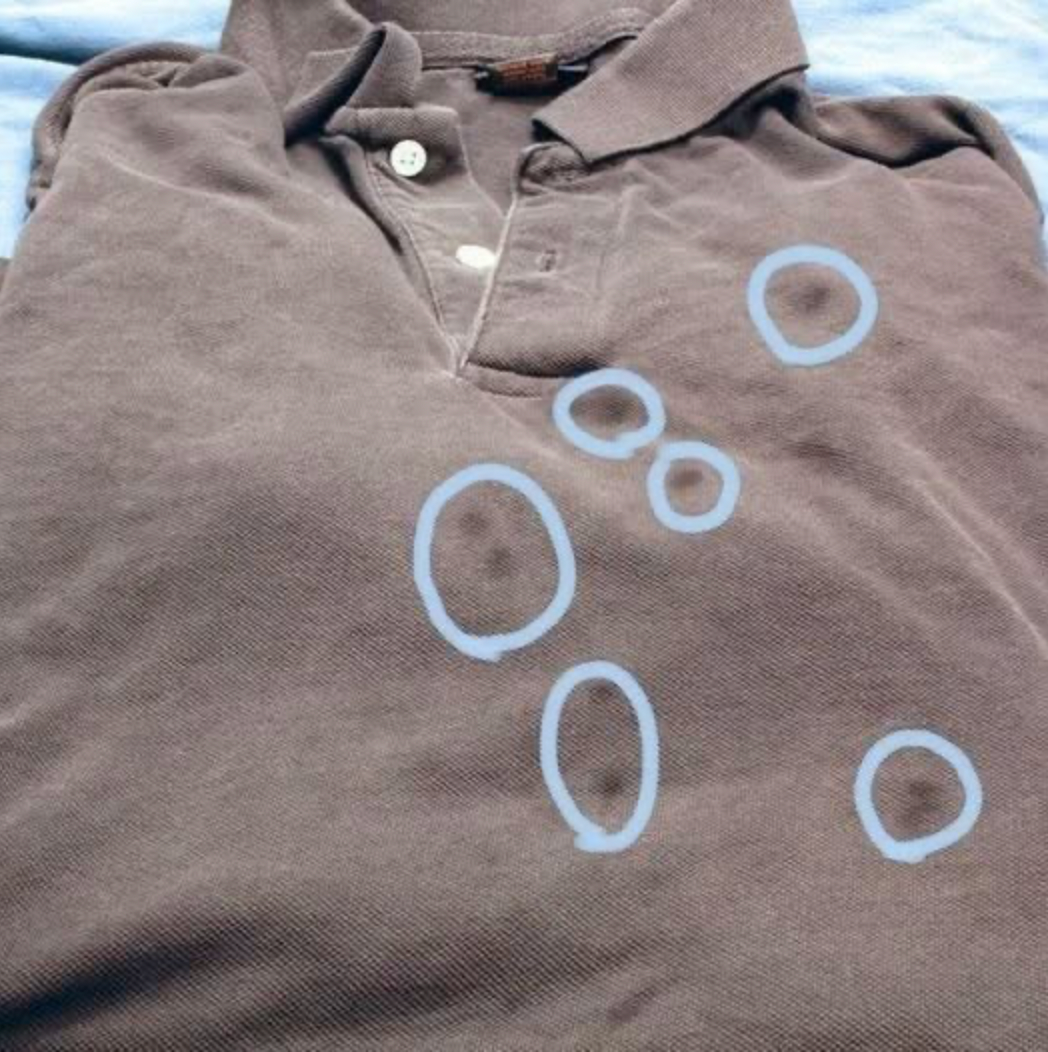
Few laundry problems are more annoying than discovering a stubborn grease stain on a favorite shirt, pair of jeans, tablecloth, or kitchen towel. Fresh stains can often be treated quickly, but set-in grease stains are much more challenging because the oil has had time to soak deep into the fibers of the fabric.
Sometimes the stain is not even noticed right away. A shirt may go through the washing machine, get dried, folded, and worn again before you realize there is a dark mark left behind. Unfortunately, heat from the dryer can make grease stains even harder to remove because it can help the oil bond more firmly with the fabric fibers.
The good news is that even older grease stains are not always permanent. With the right method, patience, and household ingredients, many stained garments can be refreshed and restored.
Why grease stains are so difficult to remove
Grease and oil behave differently from many other types of stains.
Water-based stains, such as some juice or dirt marks, often dissolve more easily in water. Grease, however, is made of oily molecules that repel water. This means a normal wash cycle may not completely remove it.
Common grease sources include:
- Cooking oils
- Butter
- Salad dressing
- Fried food splashes
- Bacon grease
- Makeup products
- Lotion and creams
- Automotive oils
- Machine lubricants
When grease gets into fabric, it attaches itself to the fibers. Over time, dust and dirt can also stick to the oily area, making the stain appear darker and more noticeable.
Before you begin: check the fabric
Before treating any stain, look at the care label on your clothing.
Different materials react differently to cleaning products.
Cotton and linen
These are usually durable and can handle stronger cleaning methods.
Polyester and synthetic fabrics
These can hold onto oils more tightly and may require repeated treatment.
Wool and silk
These delicate fabrics require extra care. Strong detergents or aggressive scrubbing may damage them.
Colored fabrics
Always test a cleaning method on a hidden area first to make sure the color does not fade.
Step 1: Do not rub the grease stain deeper
One common mistake is aggressively rubbing an old grease stain.
Although rubbing feels like it should help, it can actually push the oil farther into the fabric fibers.
Instead:
- Place the fabric on a flat surface.
- Gently remove any excess grease if possible.
- Apply cleaning products directly to the stained area.
- Allow time for the product to work.
Step 2: Use an absorbent powder to lift oil
For older stains, an absorbent powder can help pull some grease away from the fabric.
Useful options include:
- Baking soda
- Cornstarch
- Baby powder
- Talcum powder
How to use it:
- Sprinkle a generous amount over the stain.
- Let it sit for at least 30 minutes.
- For older stains, leave it longer if needed.
- Brush or shake off the powder.
The powder works by absorbing some of the oil trapped in the fabric.
Step 3: Apply dish soap to break down grease
Dish soap is one of the most popular household solutions for grease stains because it is designed to remove oils from dishes.
A small amount can help loosen grease from clothing fibers.
Method:
- Place a few drops of liquid dish soap directly on the stain.
- Gently massage it into the fabric using your fingers or a soft toothbrush.
- Let it sit for 10–20 minutes.
- Rinse with warm water if the fabric allows.
Dish soap can be especially helpful for:
- cooking oil stains,
- food grease,
- butter marks,
- oily sauces.
Step 4: Wash the garment properly
After treating the stain:
- Wash the item according to the care instructions.
- Use the warmest water temperature allowed for the fabric.
- Add your normal laundry detergent.
- Check the stain before placing the item in the dryer.
This last step is very important.
Never dry a stained garment too soon
Heat from the dryer can permanently set remaining grease into the fabric.
Before drying:
- Inspect the stained area under good lighting.
- If the stain remains, repeat the treatment.
- Allow the fabric to air dry until you are sure it is gone.
Many people accidentally make stains permanent by assuming the washing machine removed everything.
A deeper cleaning method for stubborn stains
For grease stains that have survived multiple washes, a stronger approach may be needed.
What you need:
- Liquid laundry detergent
- Dish soap
- Baking soda
- Soft brush
Instructions:
- Mix a small amount of detergent and dish soap.
- Add a little baking soda to create a paste.
- Apply it to the stain.
- Let it sit for 30 minutes.
- Gently brush the area.
- Wash normally.
This method gives the cleaning agents more time to break down the oil.
Removing old grease stains from white clothes
White fabrics can sometimes tolerate additional treatment.
Possible options include:
- Oxygen-based stain removers
- Heavy-duty laundry detergents
- Baking soda treatments
Avoid using chlorine bleach unless the fabric label specifically allows it. Bleach is not always effective against grease and can sometimes create discoloration.
Removing grease stains from colored clothes
Colored clothing requires a gentler approach.
Helpful steps:
- Use mild detergent.
- Avoid harsh chemicals.
- Test products first.
- Repeat gentle treatments instead of using one aggressive treatment.
Patience is often more effective than using a strong product that damages the fabric.
Removing grease stains from towels and bedding
Kitchen towels and bedding often collect heavy grease because they are exposed to:
- cooking oils,
- body products,
- food residue.
For these items:
- Pretreat the stain.
- Allow the cleaner time to work.
- Wash using an appropriate cycle.
- Check before drying.
For heavily stained kitchen towels, soaking may help loosen built-up oils.
Common mistakes that make grease stains worse
Using only cold water
Cold water alone may not dissolve grease effectively.
Adding fabric softener too early
Fabric softeners can coat fibers and make future stain removal more difficult.
Scrubbing too aggressively
This can spread the stain and damage the material.
Putting the item in the dryer immediately
Heat can lock in the remaining oil.
Using too much detergent
More product does not always mean better cleaning. Excess detergent can leave residue behind.
Natural methods: do they work?
Many household remedies are popular because they are inexpensive and easy.
Baking soda
Useful as an absorbent and mild cleaner.
Vinegar
Helpful for odors and some residues, but it is not a powerful grease remover by itself.
Lemon juice
May help brighten some fabrics but should be used carefully because it can affect colors.
For serious grease stains, a grease-cutting detergent is usually more effective.
How to prevent grease stains in the future
Prevention is often easier than removal.
Helpful habits include:
- Wearing an apron while cooking.
- Treating stains immediately.
- Avoiding leaving oily clothing in a laundry basket for weeks.
- Checking clothes before drying.
- Washing kitchen towels frequently.
- Keeping stain remover nearby.
Quick emergency treatment for fresh grease stains
If a grease stain happens immediately:
- Blot excess oil.
- Sprinkle baking soda or cornstarch.
- Let it absorb.
- Apply dish soap.
- Wash as soon as possible.
The faster you act, the easier the stain is to remove.
Frequently asked questions
Can old grease stains really be removed?
Yes, many old stains can be improved or removed, especially if the fabric has not been repeatedly exposed to high dryer heat.
Why does grease remain after washing?
Regular detergent may not fully break down concentrated oils, especially if the stain has already dried.
Is dish soap safe for clothes?
In small amounts and when properly rinsed, dish soap can be useful for treating grease stains. Always test delicate fabrics first.
How many treatments are needed?
Some stains disappear after one treatment, while older stains may require several attempts.

Welcome to my kitchen!
I’m a passionate home cook and recipe creator who loves turning simple ingredients into delicious, comforting meals that everyone can enjoy. Through this website, I share carefully prepared recipes, practical cooking tips, and easy-to-understand food education to help you feel more confident in the kitchen.
My goal is to make cooking simple, enjoyable, and accessible. Whether you are looking for a quick family dinner, a delicious dessert, healthy meal ideas, or traditional recipes with a modern touch, you’ll find inspiration here.
More Than Just Recipes
I believe that cooking is also a way to learn. That’s why this website is not only about recipes. I also create educational articles about ingredients, cooking techniques, kitchen tips, food preparation, and the stories behind different dishes.
Each article is designed to give you useful knowledge that you can apply in your own kitchen. From understanding how ingredients work together to learning better cooking methods, my aim is to help you become a more confident and creative cook.
My Philosophy
Good food doesn’t always require complicated ingredients or professional equipment. With a little knowledge, patience, and creativity, simple ingredients can become something truly special.
I believe in sharing recipes that are practical, clearly explained, and enjoyable to make. I also love exploring new flavors while appreciating traditional cooking and the recipes passed down through generations.
Thank you for visiting my kitchen and being part of this food-loving community. I hope my recipes and articles inspire you to cook, learn, experiment, and most importantly, enjoy every bite!
Happy cooking!