Aldi has earned a loyal following for good reason. Many shoppers love the store because it offers affordable groceries, simple shopping experiences, and surprisingly good-quality products at prices that are often lower than traditional supermarkets.
For many families and individuals, Aldi has become a place where they can stretch their grocery budget without sacrificing every convenience. The smaller stores, limited selection, and focus on value help shoppers avoid unnecessary spending.
However, just because something is inexpensive does not always mean it is the best choice.
Experienced shoppers know that saving money is not only about paying the lowest price at checkout. True savings come from buying products that you will actually use, that taste good, that last long enough, and that provide good value for the money.
After years of grocery shopping, many people discover that some Aldi items are excellent bargains, while others may not always meet their expectations.
This does not mean these products are “bad.” Aldi changes its inventory frequently, different locations may carry different brands, and personal preferences vary. One person’s disappointing purchase may be another person’s favorite deal.
Still, there are certain categories where shoppers often recommend comparing prices, reading labels carefully, or considering alternatives.
1. Fresh Produce That You Won’t Use Quickly
Fresh fruits and vegetables are tempting purchases because Aldi often offers attractive prices. A large package of berries, a bag of salad greens, or a container of fresh vegetables may look like a great deal.
However, produce can sometimes be one of the trickiest categories.
The challenge is not necessarily the quality when you buy it. The issue is how long it lasts after bringing it home.
Some shoppers report that certain fresh produce items may:
- spoil quickly,
- have a shorter shelf life,
- become soft faster than expected,
- require immediate meal planning.
This can turn a bargain into wasted money.
How to shop smarter:
Before buying fresh produce:
- Check for bruising or soft spots.
- Look underneath containers for hidden damaged pieces.
- Buy quantities you know you will use.
- Plan meals around items that need to be eaten first.
Frozen fruits and vegetables can sometimes be a better value because they last much longer and reduce food waste.
2. Certain Meat Products
Aldi’s meat section can offer excellent prices, and many shoppers enjoy their steaks, chicken, and specialty items.
However, meat quality can vary depending on the product.
Some budget meat options may have:
- less desirable cuts,
- more visible fat,
- different texture compared with premium brands,
- smaller package sizes than expected.
The lowest price is not always the best deal if the product does not fit your cooking style.
Smart approach:
Compare:
- price per kilogram,
- ingredient lists,
- package size,
- freshness dates,
- customer reviews when available.
Sometimes spending slightly more on a better cut can prevent disappointment.
3. Certain Frozen Meals
Frozen meals are convenient, especially on busy days when cooking from scratch is not realistic.
Aldi carries many frozen options, including:
- pizzas,
- pasta dishes,
- frozen dinners,
- appetizers,
- quick lunches.
Some are highly rated, while others may not satisfy people expecting restaurant-style flavor.
Possible concerns include:
- smaller portions,
- higher sodium levels,
- less protein,
- flavors that do not match expectations.
Frozen foods are especially personal because taste preferences vary widely.
A helpful tip:
Look at the nutrition label before buying.
Pay attention to:
- serving size,
- protein content,
- sodium,
- added ingredients.
4. Specialty Items You May Not Finish
One of Aldi’s biggest attractions is the rotating selection of unique products.
The store frequently introduces limited-time items such as:
- seasonal snacks,
- international foods,
- holiday desserts,
- specialty sauces,
- unusual beverages.
These products can be fun to try, but they can also become impulse purchases.
A low price makes it easy to think:
“Why not try it?”
But if you do not enjoy it, the money is still wasted.
Better strategy:
Before buying:
Ask yourself:
- Would I buy this at full price?
- Do I already have something similar at home?
- Do I have a plan for using it?
5. Some Name-Brand Products That Are Not Actually Cheaper
Many shoppers assume Aldi is always cheaper.
Often it is, but not every single item.
Sometimes:
- another supermarket has a sale,
- a coupon lowers another brand’s price,
- a larger package offers better value elsewhere.
Smart shoppers compare unit prices rather than only looking at the sticker price.
For example:
A smaller package may appear cheaper but cost more per gram or per serving.
6. Certain Bakery Items
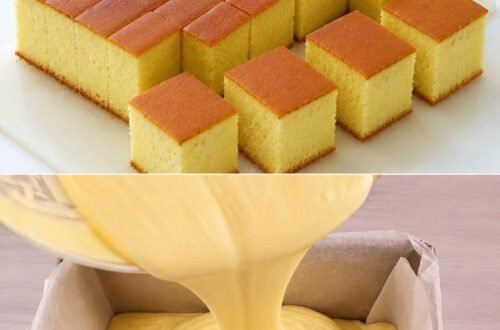
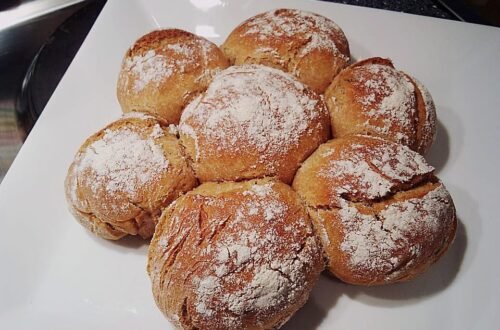
Aldi’s bakery section is popular because it offers affordable treats.
Many shoppers enjoy:
- cookies,
- cakes,
- pastries,
- breads,
- seasonal desserts.
However, baked goods have a limited shelf life.
Some products may:
- dry out quickly,
- contain more preservatives,
- be difficult to finish before expiration.
If you live alone or have a small household, a large bakery package may not always be practical.
A useful idea:
Freeze portions of bakery items when possible so you can enjoy them later.
7. Large Packages When You Shop Alone
Buying in bulk often feels like saving money.
But bigger is not always better.
Large packages can become wasteful when:
- you cannot finish them,
- food expires,
- storage space is limited.
This is especially important for people living alone or households with only one or two people.
A smaller package that gets completely used can actually be the better value.
8. Products Where Ingredients Matter Most
Some shoppers are willing to choose the cheapest option for basic items.
However, for certain foods, ingredients make a noticeable difference.
Examples may include:
- coffee,
- chocolate,
- olive oil,
- cheese,
- specialty foods.
Small differences in production methods and ingredients can affect:
- flavor,
- texture,
- cooking results.
A cheaper product is not always disappointing, but these are categories where many shoppers prefer to compare carefully.
9. Items You Buy Only Because They Are on Sale
Perhaps the biggest shopping mistake is buying something simply because it seems like a bargain.
A discounted item is not a savings if:
- you do not need it,
- you do not use it,
- it replaces something you already have.
Smart shopping means asking:
“Will this improve my meals or my household?”
rather than:
“Is this cheap?”
What Aldi Is Usually Great For
While some products require comparison, many shoppers consider Aldi excellent for:
- pantry staples,
- basic baking ingredients,
- dairy products,
- snacks,
- household basics,
- seasonal items,
- many organic and specialty products.
The key is knowing what works best for your household.
How to Shop at Aldi Like an Expert
Make a list
Aldi’s small store layout makes it easy to grab extra items you did not plan to buy.
A list helps you stay focused.
Check weekly specials
Aldi often rotates products, so planning around promotions can save money.
Compare unit prices
Look beyond the total price.
The smaller number on the shelf tag is not always the cheapest option.
Avoid food waste
The cheapest food is the food you actually eat.
A product that gets thrown away is not a bargain.

Welcome to my kitchen!
I’m a passionate home cook and recipe creator who loves turning simple ingredients into delicious, comforting meals that everyone can enjoy. Through this website, I share carefully prepared recipes, practical cooking tips, and easy-to-understand food education to help you feel more confident in the kitchen.
My goal is to make cooking simple, enjoyable, and accessible. Whether you are looking for a quick family dinner, a delicious dessert, healthy meal ideas, or traditional recipes with a modern touch, you’ll find inspiration here.
More Than Just Recipes
I believe that cooking is also a way to learn. That’s why this website is not only about recipes. I also create educational articles about ingredients, cooking techniques, kitchen tips, food preparation, and the stories behind different dishes.
Each article is designed to give you useful knowledge that you can apply in your own kitchen. From understanding how ingredients work together to learning better cooking methods, my aim is to help you become a more confident and creative cook.
My Philosophy
Good food doesn’t always require complicated ingredients or professional equipment. With a little knowledge, patience, and creativity, simple ingredients can become something truly special.
I believe in sharing recipes that are practical, clearly explained, and enjoyable to make. I also love exploring new flavors while appreciating traditional cooking and the recipes passed down through generations.
Thank you for visiting my kitchen and being part of this food-loving community. I hope my recipes and articles inspire you to cook, learn, experiment, and most importantly, enjoy every bite!
Happy cooking!