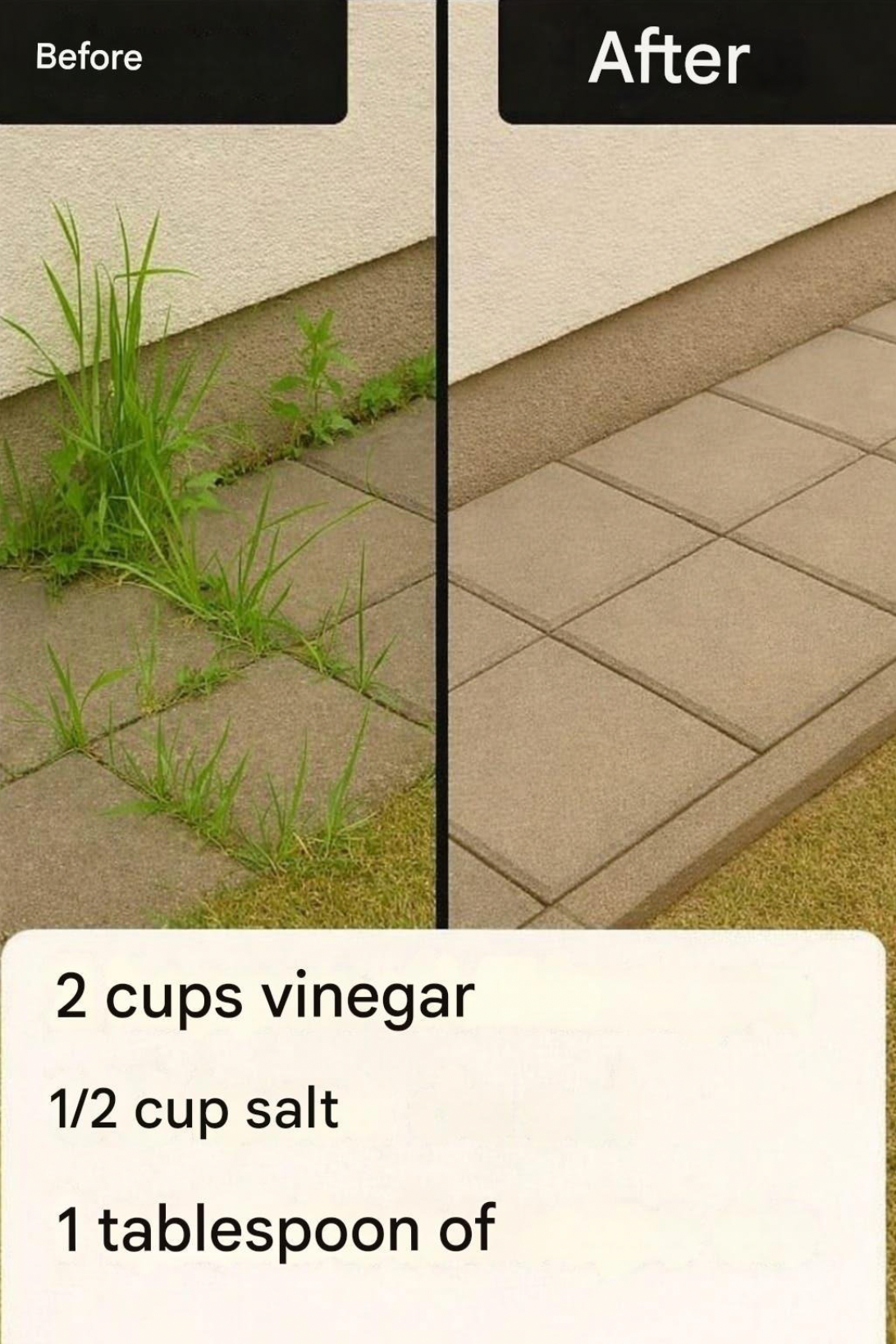
A Science-Backed, Eco-Conscious Guide to Natural Weed Control
Weeds are one of the oldest frustrations in gardening. Whether they appear between patio stones, invade vegetable beds, creep along fence lines, or spread across driveways after spring rain, unwanted plants seem capable of thriving almost anywhere. For generations, gardeners have searched for ways to control weeds quickly, cheaply, and effectively.
In recent years, homemade herbicide recipes have exploded online. Social media and gardening forums are filled with claims that mixtures made from:
- vinegar
- salt
- dish soap
- boiling water
- baking soda
- or essential oils
can replace commercial weed killers entirely.
Some of these methods genuinely work—at least temporarily. Others create hidden environmental problems that many people do not realize until damage has already occurred.
The truth is more nuanced than viral gardening hacks often suggest.
A truly responsible homemade herbicide strategy must balance:
- effectiveness
- soil health
- environmental safety
- long-term sustainability
- and realistic expectations.
Natural does not automatically mean harmless, and chemical-free does not automatically mean environmentally friendly. Even common household ingredients can damage:
- beneficial soil microbes
- nearby plants
- pollinators
- groundwater
- pets
- and long-term soil fertility when misused.
Understanding the science behind weed control allows gardeners to make smarter, safer decisions while still minimizing reliance on harsh synthetic chemicals.
What Is a Herbicide?
A herbicide is any substance designed to:
damage, suppress, or kill unwanted plants.
Commercial herbicides are engineered specifically to target plant biology, but homemade versions attempt to achieve similar effects using simpler ingredients.
Homemade weed killers generally work through one or more mechanisms:
- dehydration
- heat damage
- cell rupture
- pH disruption
- or light-blocking.
Why Weeds Are So Difficult to Control
Weeds succeed because they are biologically designed to:
- grow rapidly
- reproduce aggressively
- survive poor conditions
- spread efficiently.
Many weeds:
- produce enormous numbers of seeds
- regenerate from roots
- tolerate drought
- adapt quickly to disturbance.
Nature essentially designed weeds to exploit open spaces before other plants can establish themselves.
The Problem With Many Viral Homemade Herbicide Recipes
Many popular online recipes promise:
- “instant weed death”
- “permanent weed removal”
- “safe natural solutions.”
However, some of these mixtures create serious environmental problems.
The most famous example is:
vinegar + salt + dish soap.
While this combination often kills visible weeds, the long-term consequences are frequently ignored.
Why Salt Is Environmentally Problematic
Salt is one of the most damaging ingredients commonly used in DIY weed killers.
Salt works because it:
- pulls water out of plant cells
- disrupts root function
- creates dehydration stress.
But salt does not disappear after killing weeds.
It accumulates in soil and can:
- sterilize growing areas
- kill beneficial microbes
- prevent future planting
- damage earthworms
- contaminate runoff water.
In high concentrations, salt can make soil biologically unhealthy for long periods.
Why Soil Microbes Matter
Healthy soil contains billions of microorganisms, including:
- bacteria
- fungi
- nematodes
- beneficial insects.
These organisms:
- recycle nutrients
- support root systems
- improve water retention
- maintain ecosystem balance.
Overusing harsh homemade herbicides can unintentionally destroy these vital life systems.
The Truth About Vinegar as a Weed Killer
Household vinegar can kill some weeds because it contains:
- acetic acid.
Acetic acid damages plant tissues by:
- breaking down cell membranes
- causing dehydration
- burning exposed leaves.
However, standard kitchen vinegar is usually:
- only 5% acetic acid.
This means it often kills:
- surface foliage
without fully destroying: - deep root systems.
Many weeds simply regrow later.
Why Concentrated Vinegar Can Be Dangerous
Industrial-strength horticultural vinegar contains much higher acid concentrations.
While more effective, it can also:
- burn skin
- damage eyes
- irritate lungs
- harm nearby plants.
“Natural” does not always mean safe for human handling.
What Dish Soap Actually Does
Dish soap itself is usually not the main weed-killing ingredient.
Instead, it acts as:
- a surfactant.
This helps liquids:
- stick to plant leaves
- spread more evenly
- penetrate waxy surfaces.
Soap can increase effectiveness slightly, but excessive soap use may damage soil organisms and nearby vegetation.
The Most Environmentally Responsible Homemade Weed Control Methods
Eco-conscious weed management focuses on:
- minimizing long-term harm
- targeting weeds carefully
- preserving soil health.
Often, the safest methods are not chemical mixtures at all.
Method 1: Boiling Water
Boiling water is one of the safest and most effective spot treatments for weeds.
It works by:
- instantly rupturing plant cells
- destroying leaf tissues
- damaging shallow roots.
Advantages:
- no chemical residue
- no soil contamination
- safe for groundwater
- inexpensive.
Best used for:
- driveway cracks
- sidewalk weeds
- gravel areas.
Limitations of Boiling Water
Boiling water is non-selective.
It kills:
- weeds
- grass
- flowers
- nearby roots.
Careful application is important.
Method 2: Mulching
Mulching is one of the healthiest long-term weed-control strategies.
Mulch suppresses weeds by:
- blocking sunlight
- reducing seed germination
- conserving soil moisture.
Organic mulch options include:
- wood chips
- straw
- shredded leaves
- compost.
Mulching improves soil rather than harming it.
Why Sunlight Matters for Weed Growth
Most weeds require:
- light
- warmth
- open space.
Blocking sunlight weakens emerging weeds naturally without chemicals.
Method 3: Hand Pulling
Though labor-intensive, hand pulling remains one of the most environmentally responsible methods.
It removes weeds:
- directly
- selectively
- without chemical impact.
Best results occur when soil is:
- moist
- loose.
Removing roots fully is crucial for preventing regrowth.
Why Timing Matters in Weed Control
Young weeds are dramatically easier to control than mature ones.
Early removal prevents:
- root establishment
- seed production
- spreading.
A single mature weed may produce thousands of seeds.
Method 4: Vinegar for Limited Use
Vinegar can still be useful when applied carefully and sparingly.
Best practices include:
- spot treatment only
- avoiding garden beds
- using during sunny weather
- protecting desirable plants.
Vinegar works best on:
- young annual weeds.
It is less effective against:
- perennial deep-rooted weeds.
Why Sunny Weather Improves Vinegar Performance
Heat and sunlight intensify dehydration.
This increases plant stress and improves foliage damage.
Method 5: Flame Weeding
Some gardeners use controlled flame weeders that expose weeds briefly to high heat.
The goal is not necessarily burning plants completely, but:
- rupturing cell structures.
This method requires extreme caution to prevent fire hazards.
Why Sustainable Weed Control Is About Management, Not Elimination
Completely eliminating every weed is often unrealistic.
Healthy gardening focuses on:
- balance
- maintenance
- prevention
rather than total eradication.
Even natural ecosystems contain competing plants.
Understanding Weed Ecology
Many weeds appear because soil conditions favor them.
Compacted, bare, disturbed soil often invites aggressive weeds.
Improving soil health can naturally reduce weed pressure over time.
Cover Crops as Natural Weed Suppression
Some gardeners plant:
- clover
- rye
- buckwheat
- legumes.
These “cover crops” crowd out weeds while improving soil quality.
Why Soil Disturbance Creates More Weeds
Digging and tilling often expose buried weed seeds to:
- light
- oxygen
- warmth.
This can trigger germination.
Minimizing unnecessary disturbance helps reduce weed outbreaks.
The Role of Healthy Lawns
Dense healthy grass naturally suppresses weeds because it:
- shades soil
- occupies root space
- competes for nutrients.
Weak lawns invite weed invasion.
Why Some Weeds Are Actually Beneficial
Not all weeds are purely harmful.
Some:
- stabilize soil
- feed pollinators
- improve biodiversity
- signal soil problems.
Understanding which weeds truly require removal can reduce unnecessary intervention.
The Myth of “Instant Permanent Weed Killers”
Many online recipes exaggerate results.
Most homemade herbicides:
- require repeat applications
- work temporarily
- struggle against established perennials.
Responsible weed management usually involves:
- patience
- consistency
- multiple methods.
Protecting Pets and Wildlife
Even natural substances can harm:
- dogs
- cats
- birds
- beneficial insects.
Careful application matters greatly.
Avoid spraying near:
- water sources
- pollinator habitats
- edible plants.
Why Groundwater Contamination Matters
Substances applied outdoors can travel through:
- rain runoff
- irrigation
- soil movement.
This may eventually affect:
- streams
- ponds
- groundwater systems.
Salt contamination is especially concerning because it accumulates over time.
The Importance of Realistic Expectations
No weed control method is:
- completely effortless
- perfectly permanent
- universally safe.
Effective gardening always involves trade-offs between:
- convenience
- ecology
- labor
- effectiveness.
A Responsible Homemade Herbicide Recipe
For occasional spot treatment on hard surfaces like:
- sidewalks
- gravel cracks
- driveway edges,
a mild vinegar-based mixture may help reduce weeds temporarily.
Example:
- white vinegar
- a few drops of dish soap.
Important:
- avoid adding salt
- avoid spraying garden soil
- avoid desirable plants
- use carefully and sparingly.
Why Prevention Is Better Than Constant Weed Killing
The best long-term weed strategy focuses on:
- mulch
- healthy soil
- dense planting
- proper watering
- early intervention.
Healthy ecosystems naturally resist weed dominance better than neglected spaces.

Welcome to my kitchen!
I’m a passionate home cook and recipe creator who loves turning simple ingredients into delicious, comforting meals that everyone can enjoy. Through this website, I share carefully prepared recipes, practical cooking tips, and easy-to-understand food education to help you feel more confident in the kitchen.
My goal is to make cooking simple, enjoyable, and accessible. Whether you are looking for a quick family dinner, a delicious dessert, healthy meal ideas, or traditional recipes with a modern touch, you’ll find inspiration here.
More Than Just Recipes
I believe that cooking is also a way to learn. That’s why this website is not only about recipes. I also create educational articles about ingredients, cooking techniques, kitchen tips, food preparation, and the stories behind different dishes.
Each article is designed to give you useful knowledge that you can apply in your own kitchen. From understanding how ingredients work together to learning better cooking methods, my aim is to help you become a more confident and creative cook.
My Philosophy
Good food doesn’t always require complicated ingredients or professional equipment. With a little knowledge, patience, and creativity, simple ingredients can become something truly special.
I believe in sharing recipes that are practical, clearly explained, and enjoyable to make. I also love exploring new flavors while appreciating traditional cooking and the recipes passed down through generations.
Thank you for visiting my kitchen and being part of this food-loving community. I hope my recipes and articles inspire you to cook, learn, experiment, and most importantly, enjoy every bite!
Happy cooking!