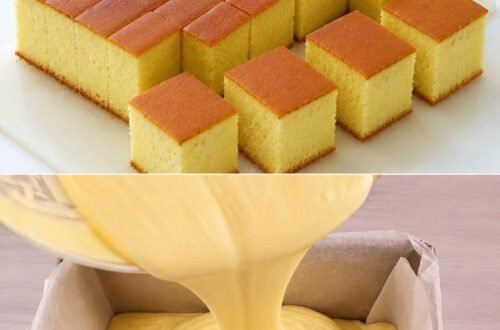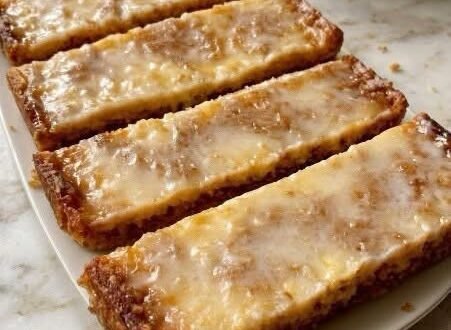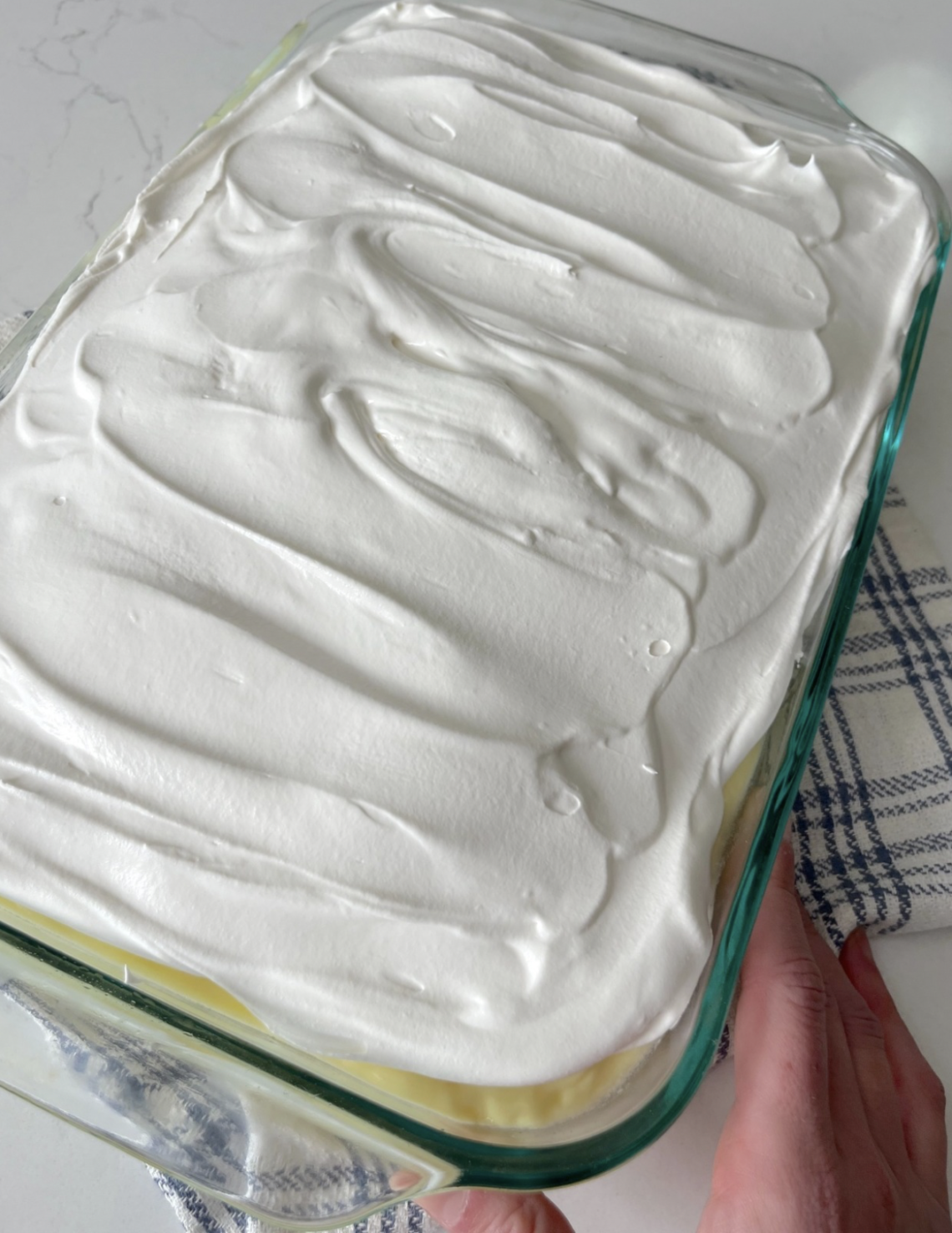
A Simple, Comforting Cake With a Long Tradition of Community Baking
There’s a certain kind of dessert that doesn’t need decoration, fancy techniques, or expensive ingredients to win people over. It just needs to taste good, feel familiar, and feed a crowd.
That’s exactly what a classic “church cake” is all about.
Often served at potlucks, funerals, bake sales, and Sunday gatherings, this cake earned its reputation not through complexity, but through consistency. It’s the kind of recipe passed from notebook to notebook, church kitchen to church kitchen, generation to generation.
And no matter where you find it, one thing is always true:
it disappears fast.
What Exactly Is a “Church Cake”?
A church cake isn’t one single official recipe. Instead, it refers to a style of homemade sheet cake commonly brought to community gatherings.
Most versions share the same qualities:
- simple pantry ingredients
- quick preparation
- large batch size
- soft, moist texture
- sweet but not overwhelming flavor
- easy to slice and serve to many people
It’s the kind of cake designed for sharing, not showing off.
Why It’s Called a Church Cake
The name comes from its strong connection to community events, especially in small towns and rural areas where churches often served as social centers.
These cakes were commonly brought to:
- Sunday services
- potluck dinners
- holiday celebrations
- fundraisers
- family gatherings
- funeral meals (“repast” meals)
Because they were:
- affordable
- reliable
- easy to transport
- loved by both kids and adults
they became a staple in church community culture.
What Makes Classic Church Cake So Special?
At first glance, it might look like a simple sheet cake. But its appeal comes from a combination of texture, flavor, and nostalgia.
1. Soft, Moist Texture
Church cakes are known for staying moist for days thanks to ingredients like:
- buttermilk
- oil or butter
- simple syrup or glaze
2. Gentle Sweetness
Unlike modern desserts that can be overly sugary, traditional versions are balanced and comforting.
3. Crowd-Friendly Format
Baked in large pans, it can easily serve 12, 20, or even more people.
4. Nostalgic Flavor
Many people associate it with:
- childhood church gatherings
- family reunions
- homemade desserts from elders
Common Types of Church Cakes
There are many variations, but a few stand out as classics.
1. Vanilla Church Sheet Cake
A soft vanilla base topped with creamy frosting.
Typical ingredients:
- flour
- sugar
- eggs
- butter or oil
- milk or buttermilk
- vanilla extract
Frosting:
- powdered sugar
- butter
- milk
- vanilla
Simple, sweet, and universally loved.
2. Chocolate Church Cake
A richer version often topped with warm icing.
Special feature:
Some versions pour hot chocolate frosting over the cake while it’s still warm, allowing it to soak in slightly.
This creates:
- ultra-moist texture
- deep chocolate flavor
- slightly fudgy top layer
3. Texas Sheet Cake Style Church Cake
A popular variation similar to the famous Southern sheet cake.
Features:
- thin cake layer
- poured chocolate icing
- optional nuts on top
It’s known for being rich but easy to cut into squares.
4. Lemon Church Cake
A lighter, citrus-based version.
Includes:
- lemon juice
- lemon zest
- sweet glaze
Often served in spring and summer gatherings.
Why Church Cakes Were So Practical
These cakes weren’t just delicious—they were designed for real-life needs.
They were:
- inexpensive to make in large quantities
- made from pantry staples
- easy to transport in baking pans
- simple enough for beginner bakers
- reliable in texture and flavor
In many communities, baking a church cake was a way to contribute without stress or complexity.
The Secret Behind Their Moist Texture
One reason these cakes remain so beloved is their texture.
Depending on the recipe, moisture comes from:
- oil instead of butter
- buttermilk or sour cream
- hot liquid added to batter
- simple syrup poured after baking
- thin frosting that absorbs into the cake
This creates a soft crumb that stays fresh longer than many modern cakes.
Why Church Cakes Taste Better the Next Day
Many people notice something interesting:
the flavor improves over time.
This happens because:
- moisture spreads evenly
- flavors settle and deepen
- frosting slightly absorbs into the cake
- texture becomes softer
That’s why church cakes are often baked the day before events.
A Symbol of Community, Not Just Dessert
Church cakes represent more than food.
They symbolize:
- sharing
- generosity
- community effort
- hospitality
- tradition
In many homes, the recipe was never written down formally. Instead, it was remembered, adjusted, and passed along through experience.
Each baker added their own small twist:
- a little extra vanilla
- a pinch of cinnamon
- a different frosting style
- a family secret ingredient
Why People Still Love It Today
Even in a world filled with elaborate desserts, church cake remains popular because:
- it’s easy
- it’s comforting
- it feeds many people
- it’s nostalgic
- it never feels intimidating
It reminds people of simpler times, when desserts were made to bring people together rather than impress them.
Simple Classic Church Cake Concept (General Idea)
While recipes vary, a basic version usually includes:
Cake base:
- flour
- sugar
- eggs
- milk or buttermilk
- butter or oil
- vanilla
Frosting:
- powdered sugar
- butter
- milk
- vanilla or cocoa (depending on version)
Baked in a sheet pan, cooled slightly, then frosted generously.
Welcome to my kitchen!
I’m a passionate home cook and recipe creator who loves turning simple ingredients into delicious, comforting meals that everyone can enjoy. Through this website, I share carefully prepared recipes, practical cooking tips, and easy-to-understand food education to help you feel more confident in the kitchen.
My goal is to make cooking simple, enjoyable, and accessible. Whether you are looking for a quick family dinner, a delicious dessert, healthy meal ideas, or traditional recipes with a modern touch, you’ll find inspiration here.
More Than Just Recipes
I believe that cooking is also a way to learn. That’s why this website is not only about recipes. I also create educational articles about ingredients, cooking techniques, kitchen tips, food preparation, and the stories behind different dishes.
Each article is designed to give you useful knowledge that you can apply in your own kitchen. From understanding how ingredients work together to learning better cooking methods, my aim is to help you become a more confident and creative cook.
My Philosophy
Good food doesn’t always require complicated ingredients or professional equipment. With a little knowledge, patience, and creativity, simple ingredients can become something truly special.
I believe in sharing recipes that are practical, clearly explained, and enjoyable to make. I also love exploring new flavors while appreciating traditional cooking and the recipes passed down through generations.
Thank you for visiting my kitchen and being part of this food-loving community. I hope my recipes and articles inspire you to cook, learn, experiment, and most importantly, enjoy every bite!
Happy cooking!