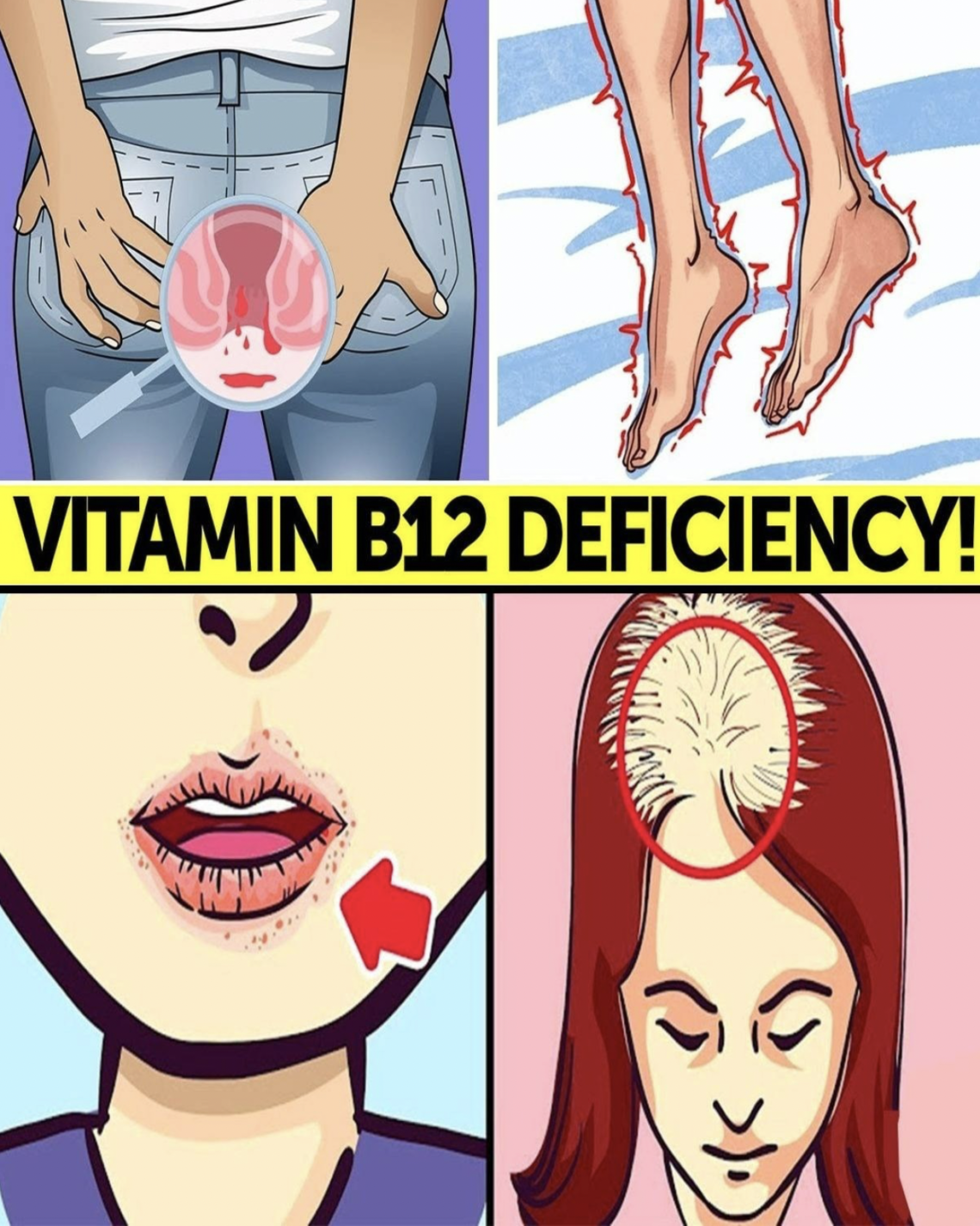
The Often-Overlooked Nutrient That Quietly Affects Energy, Nerves, and Brain Health
Vitamin B12 doesn’t get as much attention as protein or vitamin D, but it plays a critical role in how your body produces energy, supports nerve function, and creates healthy red blood cells.
When B12 levels drop too low, symptoms don’t always appear suddenly or dramatically. Instead, they often develop slowly and can be mistaken for stress, aging, poor sleep, or general fatigue.
Because of this, a mild deficiency can go unnoticed for a long time.
Here are 8 subtle but important signs your body may be trying to signal that it needs more vitamin B12.
1. Constant Fatigue That Doesn’t Improve With Rest
One of the earliest and most common signs of low B12 is persistent tiredness.
This happens because B12 is essential for:
- red blood cell production
- oxygen transport
- energy metabolism
When levels are low, your body may struggle to deliver enough oxygen to tissues, leaving you feeling:
- drained
- weak
- slow to recover after activity
This fatigue often feels different from normal tiredness—it doesn’t fully improve even after sleeping.
2. Tingling or “Pins and Needles” Sensation
Unusual tingling in the hands, feet, or legs can sometimes be linked to nerve issues caused by low B12.
Vitamin B12 is crucial for maintaining:
- healthy nerve coverings (myelin)
- proper nerve signal transmission
When deficient, nerves may misfire, leading to sensations like:
- tingling
- numbness
- “electric” feelings
- burning sensations in extremities
If left untreated, nerve-related symptoms can become more persistent.
3. Memory Problems or Brain Fog
B12 plays a key role in brain function, so low levels may affect cognitive clarity.
People with deficiency sometimes report:
- difficulty concentrating
- forgetfulness
- slower thinking
- mental “cloudiness”
These symptoms are often mistaken for:
- stress
- poor sleep
- aging
But B12 deficiency can be a hidden contributor, especially in older adults.
4. Pale or Slightly Yellowish Skin
Changes in skin tone can occur because B12 is needed for healthy red blood cells.
When levels are low:
- fewer healthy red blood cells are produced
- oxygen delivery decreases
This can cause:
- pale skin
- dull complexion
- in some cases, a slight yellow tint (jaundice-like appearance)
This change is often subtle and gradual.
5. Shortness of Breath or Dizziness
Because B12 is involved in red blood cell formation, a deficiency can reduce oxygen transport in the body.
This may lead to:
- feeling winded more easily
- dizziness when standing up
- lightheadedness during light activity
These symptoms can be mistaken for poor fitness, but they may be related to blood health.
6. Mood Changes, Irritability, or Low Mood
Vitamin B12 is involved in producing brain chemicals that influence mood, including serotonin.
Low levels may contribute to:
- irritability
- mood swings
- low motivation
- feelings of sadness or emotional flatness
While B12 deficiency is not the only cause of mood changes, it can be a contributing factor.
7. Sore Tongue or Mouth Changes
A less-known sign of B12 deficiency is inflammation of the tongue, sometimes called glossitis.
Symptoms may include:
- a smooth or swollen tongue
- soreness or tenderness
- burning sensation in the mouth
- loss of taste sensitivity
Some people may also develop small mouth ulcers more frequently.
8. Vision Disturbances
In rare but more serious cases, B12 deficiency can affect the optic nerve.
This may cause:
- blurred vision
- sensitivity to light
- difficulty focusing
- dark or shadowed areas in vision
These symptoms are less common but should be taken seriously if they appear.
Why Vitamin B12 Is So Important
Vitamin B12 is essential for:
- red blood cell production
- DNA synthesis
- nerve health
- brain function
- energy metabolism
Unlike some nutrients, the body cannot produce B12 on its own—it must come from food or supplements.
Who Is Most at Risk of Low B12?
Certain groups are more likely to develop deficiency:
1. Older adults
Absorption naturally decreases with age.
2. People with low animal food intake
B12 is mainly found in:
- meat
- fish
- eggs
- dairy products
3. Vegetarians and vegans
Plant foods do not naturally contain B12 unless fortified.
4. People with digestive conditions
Such as:
- gastritis
- Crohn’s disease
- celiac disease
5. People taking certain medications
Some medications may reduce B12 absorption over time.
Natural Food Sources of Vitamin B12
Good dietary sources include:
- beef
- chicken
- fish (especially salmon and tuna)
- eggs
- milk and yogurt
- cheese
Fortified foods (for plant-based diets) may include:
- plant milks
- breakfast cereals
- nutritional yeast
Can You Take Too Much B12?
Vitamin B12 is water-soluble, meaning excess amounts are usually excreted through urine.
This makes toxicity rare, but supplementation should still be guided by:
- medical advice
- lab testing when possible
Important Note: Symptoms Can Overlap
Many signs of B12 deficiency can also be caused by:
- iron deficiency
- thyroid issues
- stress
- poor sleep
- other medical conditions
That’s why self-diagnosis is not reliable.
A simple blood test is the most accurate way to confirm levels.

Welcome to my kitchen!
I’m a passionate home cook and recipe creator who loves turning simple ingredients into delicious, comforting meals that everyone can enjoy. Through this website, I share carefully prepared recipes, practical cooking tips, and easy-to-understand food education to help you feel more confident in the kitchen.
My goal is to make cooking simple, enjoyable, and accessible. Whether you are looking for a quick family dinner, a delicious dessert, healthy meal ideas, or traditional recipes with a modern touch, you’ll find inspiration here.
More Than Just Recipes
I believe that cooking is also a way to learn. That’s why this website is not only about recipes. I also create educational articles about ingredients, cooking techniques, kitchen tips, food preparation, and the stories behind different dishes.
Each article is designed to give you useful knowledge that you can apply in your own kitchen. From understanding how ingredients work together to learning better cooking methods, my aim is to help you become a more confident and creative cook.
My Philosophy
Good food doesn’t always require complicated ingredients or professional equipment. With a little knowledge, patience, and creativity, simple ingredients can become something truly special.
I believe in sharing recipes that are practical, clearly explained, and enjoyable to make. I also love exploring new flavors while appreciating traditional cooking and the recipes passed down through generations.
Thank you for visiting my kitchen and being part of this food-loving community. I hope my recipes and articles inspire you to cook, learn, experiment, and most importantly, enjoy every bite!
Happy cooking!