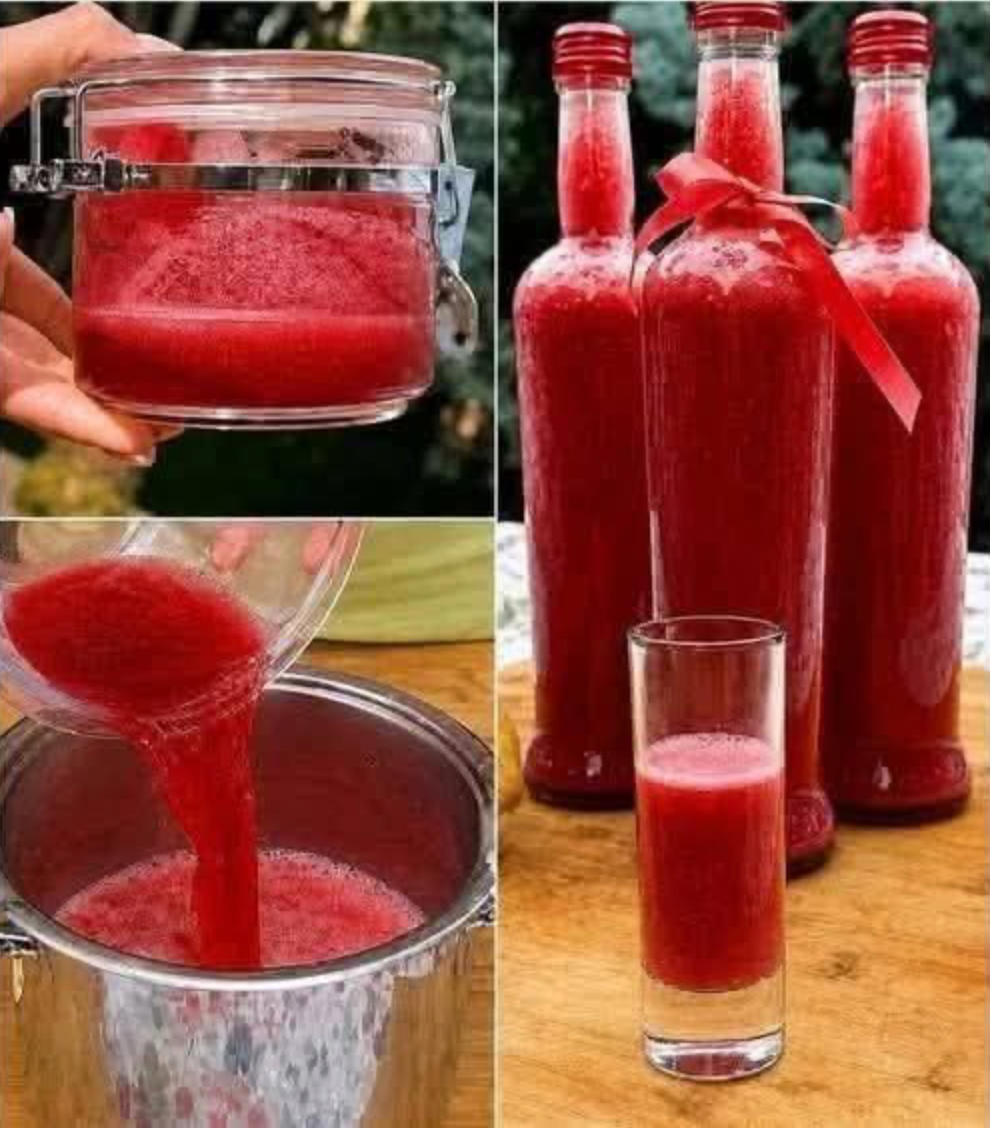
The Ultimate Natural Tonic for Joint and Muscle Comfort
Many people look for natural ways to support joint comfort and reduce everyday muscle stiffness. While no drink can “cure” pain or replace medical treatment, certain nutrient-rich ingredients have long been used in traditional wellness practices because they contain compounds that may support the body’s normal inflammatory response and overall recovery.
This type of “natural tonic” is often inspired by whole foods that are rich in antioxidants, plant compounds, and minerals that play supportive roles in general health.
Understanding Inflammation in the Body
Inflammation is not inherently bad. In fact, it is a natural defense mechanism.
When you:
- exercise intensely
- strain a muscle
- experience minor injury
your body responds by increasing blood flow and immune activity to begin repair.
However, problems can arise when inflammation becomes:
- long-lasting (chronic)
- low-level but persistent
- triggered by stress, diet, or lifestyle factors
In those cases, people may experience:
- joint stiffness
- muscle soreness
- reduced mobility
- general discomfort
This is why dietary and lifestyle habits are often discussed alongside physical care.
Why Certain Ingredients Are Considered Helpful
Many natural tonics focus on ingredients that contain:
1. Antioxidants
Help the body manage oxidative stress, which is linked to cellular wear over time.
2. Polyphenols
Plant compounds found in herbs, spices, and fruits that are widely studied for their role in overall wellness.
3. Anti-inflammatory plant compounds
Naturally occurring substances found in foods like ginger, turmeric, and citrus.
4. Minerals
Such as magnesium and potassium, which support muscle and nerve function.
Common Ingredients in a Natural Pain Relief Tonic
While recipes vary, most traditional versions include a combination of the following:
1. Turmeric
Often considered the centerpiece ingredient.
Turmeric contains curcumin, a plant compound widely studied for its potential role in supporting the body’s inflammatory balance.
It is commonly used in:
- teas
- golden milk
- tonics
Because curcumin is not easily absorbed alone, it is often combined with black pepper.
2. Ginger
Ginger has been used for centuries in traditional medicine systems.
It contains compounds such as gingerols, which are associated with:
- warmth in the body
- digestive support
- general comfort
Ginger is especially popular for soothing warm beverages.
3. Lemon Juice
Lemon adds:
- vitamin C
- freshness
- acidity that helps balance flavor
Vitamin C plays a role in:
- collagen formation
- immune support
- antioxidant activity
4. Honey (optional)
Honey is often added for:
- natural sweetness
- soothing texture
- mild antibacterial properties
It also helps balance the strong taste of ginger and turmeric.
5. Black Pepper
A small but important ingredient.
It contains piperine, which may enhance the absorption of curcumin from turmeric.
Without it, turmeric’s benefits may not be fully utilized by the body.
6. Warm Water or Herbal Tea Base
Used to combine ingredients into a drinkable tonic.
Warm liquids may also help:
- relax muscles slightly
- improve comfort
- enhance absorption of certain compounds
How the Tonic Is Traditionally Prepared
A basic version often follows this structure:
- Warm water is prepared (not boiling)
- Fresh or powdered turmeric is added
- Grated ginger or ginger extract is mixed in
- A squeeze of lemon is added
- A small amount of honey is stirred in (optional)
- A pinch of black pepper is included
The result is a warm, earthy, slightly spicy drink.
What People Typically Expect From It
People who use this type of tonic often report it as part of a routine aimed at:
- general joint comfort
- post-activity recovery support
- feeling less stiff in the morning
- overall wellness maintenance
However, effects vary widely depending on:
- diet
- activity level
- age
- underlying health conditions
Important Scientific Reality Check
It’s important to stay grounded:
- These ingredients are supportive foods, not medications
- They may help overall wellness but do not treat or cure diseases
- Strong or chronic pain should always be evaluated by a healthcare professional
Natural tonics work best as part of a broader lifestyle approach, not as a standalone solution.
Lifestyle Factors That Matter Even More
Joint and muscle comfort is strongly influenced by:
1. Movement
Regular low-impact activity supports joint flexibility.
2. Hydration
Water helps maintain tissue function and lubrication.
3. Sleep
Recovery happens primarily during rest.
4. Nutrition
Balanced intake of:
- proteins
- healthy fats
- fruits and vegetables
5. Weight management
Excess strain on joints can increase discomfort over time.
When a Natural Tonic Might Be Useful
People often include these drinks as part of a routine when they want:
- a warm morning beverage
- a post-workout ritual
- a caffeine-free alternative
- a comforting evening drink
It is less about immediate effects and more about consistent daily habits.
Safety Considerations
Even natural ingredients should be used thoughtfully.
Be cautious if:
- you have gallbladder issues (turmeric may not be suitable in high amounts)
- you are on blood-thinning medication
- you have allergies to any ingredient
- you experience digestive sensitivity
When in doubt, moderation and professional guidance are best.

Welcome to my kitchen!
I’m a passionate home cook and recipe creator who loves turning simple ingredients into delicious, comforting meals that everyone can enjoy. Through this website, I share carefully prepared recipes, practical cooking tips, and easy-to-understand food education to help you feel more confident in the kitchen.
My goal is to make cooking simple, enjoyable, and accessible. Whether you are looking for a quick family dinner, a delicious dessert, healthy meal ideas, or traditional recipes with a modern touch, you’ll find inspiration here.
More Than Just Recipes
I believe that cooking is also a way to learn. That’s why this website is not only about recipes. I also create educational articles about ingredients, cooking techniques, kitchen tips, food preparation, and the stories behind different dishes.
Each article is designed to give you useful knowledge that you can apply in your own kitchen. From understanding how ingredients work together to learning better cooking methods, my aim is to help you become a more confident and creative cook.
My Philosophy
Good food doesn’t always require complicated ingredients or professional equipment. With a little knowledge, patience, and creativity, simple ingredients can become something truly special.
I believe in sharing recipes that are practical, clearly explained, and enjoyable to make. I also love exploring new flavors while appreciating traditional cooking and the recipes passed down through generations.
Thank you for visiting my kitchen and being part of this food-loving community. I hope my recipes and articles inspire you to cook, learn, experiment, and most importantly, enjoy every bite!
Happy cooking!