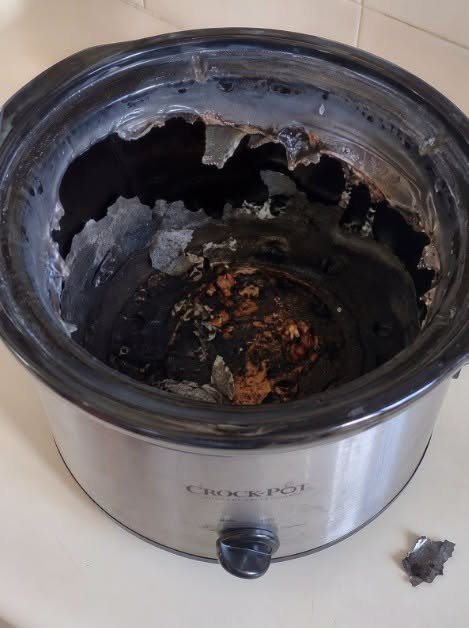
Slow cookers are kitchen heroes—capable of turning tough cuts of meat into tender masterpieces and simplifying busy weeknights. However, not every ingredient plays nice with low, moist heat over extended periods. Some foods turn mushy, others lose their vibrant flavor, and a few can even become unsafe to eat if not handled correctly.
Understanding which ingredients to avoid—and knowing the smart swaps that work—can transform your slow cooker from a source of frustration into a reliable tool for culinary success. Here are 11 ingredients experts recommend avoiding in your Crock-Pot, along with practical solutions to keep your meals delicious and safe.
Article At a Glance
Problem: Low, moist heat over long periods alters texture, flavor, and safety of certain foods.
Common Pitfalls: Dairy curdling, grains turning mushy, lean meats drying out, safety risks with frozen meat.
Key Solution: Timing matters—add delicate ingredients at the end or cook them separately.
Safety Priority: Avoid frozen large cuts of meat to prevent bacterial growth in the danger zone.
Capacity Rule: Fill the slow cooker between ½ and ⅔ full for even cooking.
Goal: Respect each ingredient’s needs to create foolproof feasts.
Why This Topic Matters: Mastering the Mechanics of Slow Cooking
The slow cooker operates on a unique principle: low temperatures and trapped steam over many hours. While this environment is perfect for breaking down connective tissue in tough meats, it can be destructive to delicate ingredients.
Knowing what not to put in your slow cooker is just as important as knowing what to cook. Mistakes like adding dairy too early or using frozen meat can lead to ruined textures, bland flavors, or even foodborne illness. By understanding the limitations of your appliance, you can adapt recipes confidently, ensure food safety, and consistently produce meals that look and taste as good as they smell.
11 Ingredients to Avoid (and What to Do Instead)
1. Dairy (Milk, Cream, Sour Cream, Cheese)
1. Dairy (Milk, Cream, Sour Cream, Cheese)
The Issue: Prolonged heat causes dairy proteins to break down, leading to curdling, separation, or a grainy texture.
The Fix: Stir dairy products in during the last 15–30 minutes of cooking. For recipes requiring creaminess throughout, use evaporated milk or coconut milk, which are more stable under heat.
2. Rice (Especially White or Brown)
The Issue: Rice absorbs liquid rapidly. In a slow cooker, it often absorbs too much broth, turning mushy, or dries out if liquid levels aren’t perfect. Cooking times rarely align with standard slow cooker recipes.
The Fix: Cook rice separately on the stovetop and add it at serving time. If you must cook it in the pot, use instant rice and add it during the last 30 minutes on HIGH.
3. Pasta
The Issue: Like rice, pasta continues to absorb liquid and cook over time. Hours of simmering will turn it gummy, swollen, or cause it to disintegrate entirely into the sauce.
The Fix: Cook pasta al dente separately on the stovetop. Stir it into the sauce just before serving to maintain texture.
4. Boneless, Skinless Chicken Breasts (on HIGH or >4 Hours)
The Issue: This is very lean meat. Long cooking times or high heat will dry it out, causing it to shred into stringy, unappetizing bits.
The Fix: Use chicken thighs instead, as the higher fat content keeps them juicy. If using breasts, cook on LOW for 3–4 hours maximum.
5. Delicate Vegetables (Spinach, Peas, Zucchini, Asparagus)
The Issue: Soft vegetables cannot withstand hours of heat. They will turn soggy, lose their vibrant color, or vanish into the sauce.
The Fix: Add delicate greens and veggies in the last 15–30 minutes of cooking so they retain texture and color.
6. Raw Ground Meat (Added Directly)
The Issue: Adding raw ground meat directly to the pot causes it to clump together and steam rather than brown. This can leave a gray, greasy texture and lack depth of flavor.
The Fix: Brown the meat in a skillet first to develop flavor and Maillard reaction notes. Drain excess fat, then add to the slow cooker.
7. Seafood (Fish, Shrimp, Scallops)
The Issue: Seafood cooks very quickly. In a slow cooker, it will overcook within 15–30 minutes, becoming rubbery or falling apart completely.
The Fix: Add seafood in the last 15–20 minutes on LOW. For many seafood dishes, it is better to skip the slow cooker entirely and use quicker cooking methods.
8. Alcohol (Large Amounts of Wine or Spirits)
The Issue: Contrary to popular myth, alcohol does not fully cook off in a slow cooker due to the low temperatures and covered environment. This can leave behind harsh, raw alcohol flavors.
The Fix: Use small amounts (¼ cup or less). Alternatively, deglaze your browning skillet with the alcohol first, let it reduce, then transfer the liquid to the slow cooker.
9. Fresh Herbs (Basil, Cilantro, Parsley, Dill)
The Issue: Delicate fresh herbs lose their aromatic oils and can turn bitter or muddy after hours of cooking.
The Fix: Use dried herbs at the beginning of cooking for foundational flavor. Add fresh herbs as a garnish at the end to preserve their brightness.
10. Too Much Liquid
The Issue: Slow cookers trap steam, meaning there is virtually no evaporation. Using stovetop liquid amounts will result in soupy, diluted results.
The Fix: Follow slow cooker-specific recipes, which typically require ½ to ⅔ less liquid than stovetop versions. If the sauce is too thin at the end, thicken it with a cornstarch slurry.
11. Frozen Meat (Large Cuts)
The Issue: Large frozen cuts take too long to reach safe internal temperatures. This allows the meat to linger in the “danger zone” (40°F–140°F) where bacteria can grow rapidly.
The Fix: Always thaw meat completely in the refrigerator before adding it to the slow cooker. If you must use frozen meat, cut it into smaller pieces to ensure it heats through safely.
Bonus Tip: Don’t Overfill Your Slow Cooker
Proper capacity is crucial for safety and performance.
The Rule: Fill your slow cooker between ½ and ⅔ full.
Too Full: Leads to uneven cooking and potential spillage.
Too Empty: Can cause food to burn or cook too quickly.
Why It Matters: Proper fill levels ensure heat circulates correctly, cooking food evenly and safely.
Frequently Asked Questions
Q: Can I ever put cheese in a slow cooker?
A: Yes, but timing is key. Add hard cheeses or cream cheese at the very end of cooking to prevent separation. Processed cheeses (like Velveeta) melt more smoothly but should still be added late.
Q: Is it safe to cook frozen chicken thighs?
A: It is generally recommended to thaw all meat before slow cooking to ensure it passes through the danger zone quickly. If cooking from frozen, ensure the internal temperature reaches 165°F rapidly, though thawing is safer.
Q: Why does my slow cooker meal always come out watery?
A: This is usually due to too much liquid or vegetables releasing water during cooking. Reduce liquid amounts compared to stovetop recipes and consider thickening sauces at the end.
Q: Can I use quick-cooking oats in a slow cooker?
A: It is better to use old-fashioned or steel-cut oats for slow cooker breakfasts. Quick-cooking oats may turn mushy over several hours.
Q: Do I need to brown meat for every slow cooker recipe?
A: While not strictly required for safety if cooking thoroughly, browning adds significant flavor and improves texture. It is highly recommended for ground meats and large cuts.
Final Thought
Your slow cooker is a powerful tool—but it’s not magic. The best slow cooker meals respect what each ingredient needs to thrive. Dairy needs cool temperatures, delicate greens need brevity, and meat needs safe thawing.
By avoiding these common pitfalls, you’ll transform good recipes into great, foolproof feasts every time. Understanding the limitations of your appliance allows you to work with them, ensuring every meal is safe, textured perfectly, and bursting with flavor. Respect the ingredients, and your slow cooker will reward you with countless delicious memories.
Welcome to my kitchen!
I’m a passionate home cook and recipe creator who loves turning simple ingredients into delicious, comforting meals that everyone can enjoy. Through this website, I share carefully prepared recipes, practical cooking tips, and easy-to-understand food education to help you feel more confident in the kitchen.
My goal is to make cooking simple, enjoyable, and accessible. Whether you are looking for a quick family dinner, a delicious dessert, healthy meal ideas, or traditional recipes with a modern touch, you’ll find inspiration here.
More Than Just Recipes
I believe that cooking is also a way to learn. That’s why this website is not only about recipes. I also create educational articles about ingredients, cooking techniques, kitchen tips, food preparation, and the stories behind different dishes.
Each article is designed to give you useful knowledge that you can apply in your own kitchen. From understanding how ingredients work together to learning better cooking methods, my aim is to help you become a more confident and creative cook.
My Philosophy
Good food doesn’t always require complicated ingredients or professional equipment. With a little knowledge, patience, and creativity, simple ingredients can become something truly special.
I believe in sharing recipes that are practical, clearly explained, and enjoyable to make. I also love exploring new flavors while appreciating traditional cooking and the recipes passed down through generations.
Thank you for visiting my kitchen and being part of this food-loving community. I hope my recipes and articles inspire you to cook, learn, experiment, and most importantly, enjoy every bite!
Happy cooking!