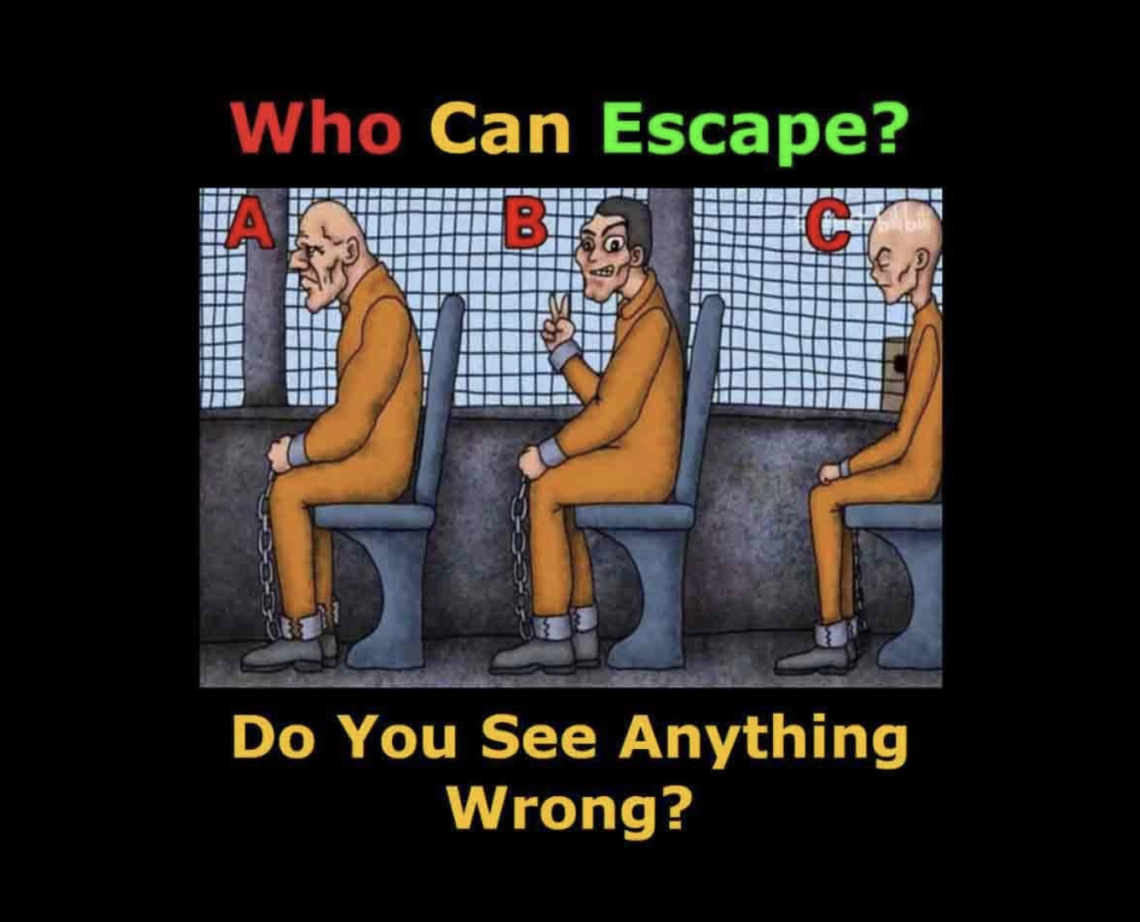
A Deep Reflection on Human Life, Meaning, Fear, and the Things We Cannot Run From
The phrase “Who can escape?” feels simple at first glance.
Just three words.
Yet when people encounter it—in poetry, spiritual writing, philosophy, religious discussion, or viral social media posts—it often lands with unusual emotional weight.
Why?
Because the question touches something universal:
the human awareness that certain realities follow all of us no matter where we go.
It is not merely asking whether escape is possible physically.
It is asking something deeper:
- Can anyone escape suffering?
- Can anyone escape consequences?
- Can anyone escape time?
- Can anyone escape death?
- Can anyone escape truth?
- Can anyone escape themselves?
That is why the phrase resonates across:
- religions
- philosophies
- literature
- psychology
- art
- existential thought.
It reflects one of humanity’s oldest realizations:
there are parts of life no person can fully outrun.
Why the Phrase Feels So Powerful
Questions affect the human mind differently than statements.
If someone says:
“Life contains suffering.”
Your brain processes it intellectually.
But when someone asks:
“Who can escape suffering?”
your mind instinctively searches for an answer.
That search creates emotional involvement.
The phrase becomes less like information and more like a mirror.
The Existential Meaning: No One Escapes Being Human
In existential philosophy, “Who can escape?” often refers to the unavoidable realities of existence itself.
No matter how wealthy, powerful, intelligent, or distracted someone becomes, every person eventually confronts:
- uncertainty
- loneliness
- mortality
- responsibility
- meaninglessness or meaning-making
- fear of loss
- awareness of time passing.
These experiences are woven into being human.
The Inescapability of Time
One of the deepest themes behind the phrase is time.
No person escapes:
- aging
- change
- memory
- endings
- transformation.
Even when life feels stable, time quietly reshapes everything:
- bodies
- relationships
- identities
- dreams
- societies.
This realization can feel:
- frightening
- humbling
- beautiful
- heartbreaking
sometimes all at once.
“Who Can Escape?” and the Fear of Mortality
Perhaps the most universal interpretation concerns death.
Every culture in human history has wrestled with the same reality:
life is temporary.
This awareness shapes:
- religion
- storytelling
- architecture
- family structures
- moral systems
- spiritual practices.
Humans uniquely understand that they will eventually die, and that awareness creates both:
- terror
- meaning.
The phrase “Who can escape?” becomes a recognition that mortality is the one destination shared by all people regardless of status.
Psychological Interpretation: We Cannot Escape Ourselves
In psychology, the phrase may point toward internal truths.
People often try to escape:
- guilt
- trauma
- regret
- insecurity
- grief
- emotional pain.
Some attempt escape through:
- distraction
- work
- entertainment
- relationships
- substances
- constant busyness.
But emotional realities usually remain beneath the surface until they are faced directly.
That’s why therapists often say:
unfelt emotions do not disappear—they wait.
The Human Need for Meaning
Another existential theme hidden inside the phrase is meaning itself.
Humans seem psychologically driven to search for:
- purpose
- belonging
- significance
- understanding.
Even people who reject traditional spirituality often still seek:
- identity
- values
- connection
- direction.
The question “Who can escape?” may imply:
No one escapes the need to answer what life means to them.
Spiritual Interpretations Across Religions
Many religious traditions use similar language to describe:
- divine truth
- moral accountability
- judgment
- karma
- spiritual awakening.
Different belief systems express it differently, but many share the idea that humans cannot permanently escape:
- truth
- moral consequence
- spiritual reality.
In Christianity
The phrase may relate to:
- judgment
- salvation
- human sinfulness
- the inevitability of facing God.
It reflects the idea that earthly distractions cannot ultimately shield people from spiritual accountability.
In Islam
Themes of accountability, mortality, and return to God are central.
The idea that no soul can escape:
- death
- truth
- divine knowledge
appears repeatedly in spiritual reflection.
The emphasis is often not fear alone, but awareness, humility, and preparation.
In Buddhism
The idea may connect to:
- suffering
- impermanence
- attachment
- cycles of desire.
No one escapes change because change is the nature of existence itself.
In Stoic Philosophy
Ancient Stoics taught that peace comes not from escaping reality, but from accepting what cannot be controlled.
You cannot escape:
- death
- fate
- hardship
- other people’s actions.
But you can shape:
- your response
- your character
- your perspective.
Why Viral Posts Using This Phrase Spread So Quickly
Short existential phrases spread online because they trigger:
- reflection
- fear
- curiosity
- emotional projection.
People interpret them personally based on:
- current struggles
- beliefs
- anxieties
- hopes.
A vague phrase becomes powerful because the mind fills in its own meaning.
The Tension Between Escape and Acceptance
Much of human life involves trying to escape discomfort.
People chase:
- distraction
- comfort
- certainty
- control.
Yet many philosophies suggest true peace begins not through escape, but through acceptance.
Acceptance does not mean giving up.
It means recognizing reality clearly instead of endlessly running from it.
The Hidden Compassion Inside the Phrase
Although “Who can escape?” can sound dark or frightening, it can also contain comfort.
Why?
Because universal struggles remind us:
- no one suffers alone
- no one is uniquely broken
- uncertainty belongs to everyone
- grief is shared across humanity.
The same realities that humble us also connect us.
Why Humans Keep Asking These Questions
Questions about:
- death
- meaning
- suffering
- destiny
- truth
have existed for thousands of years because they are built into human consciousness.
Every generation believes it is modern, yet every generation eventually confronts the same ancient realities.
That continuity is part of what makes existential thought feel timeless.

Welcome to my kitchen!
I’m a passionate home cook and recipe creator who loves turning simple ingredients into delicious, comforting meals that everyone can enjoy. Through this website, I share carefully prepared recipes, practical cooking tips, and easy-to-understand food education to help you feel more confident in the kitchen.
My goal is to make cooking simple, enjoyable, and accessible. Whether you are looking for a quick family dinner, a delicious dessert, healthy meal ideas, or traditional recipes with a modern touch, you’ll find inspiration here.
More Than Just Recipes
I believe that cooking is also a way to learn. That’s why this website is not only about recipes. I also create educational articles about ingredients, cooking techniques, kitchen tips, food preparation, and the stories behind different dishes.
Each article is designed to give you useful knowledge that you can apply in your own kitchen. From understanding how ingredients work together to learning better cooking methods, my aim is to help you become a more confident and creative cook.
My Philosophy
Good food doesn’t always require complicated ingredients or professional equipment. With a little knowledge, patience, and creativity, simple ingredients can become something truly special.
I believe in sharing recipes that are practical, clearly explained, and enjoyable to make. I also love exploring new flavors while appreciating traditional cooking and the recipes passed down through generations.
Thank you for visiting my kitchen and being part of this food-loving community. I hope my recipes and articles inspire you to cook, learn, experiment, and most importantly, enjoy every bite!
Happy cooking!