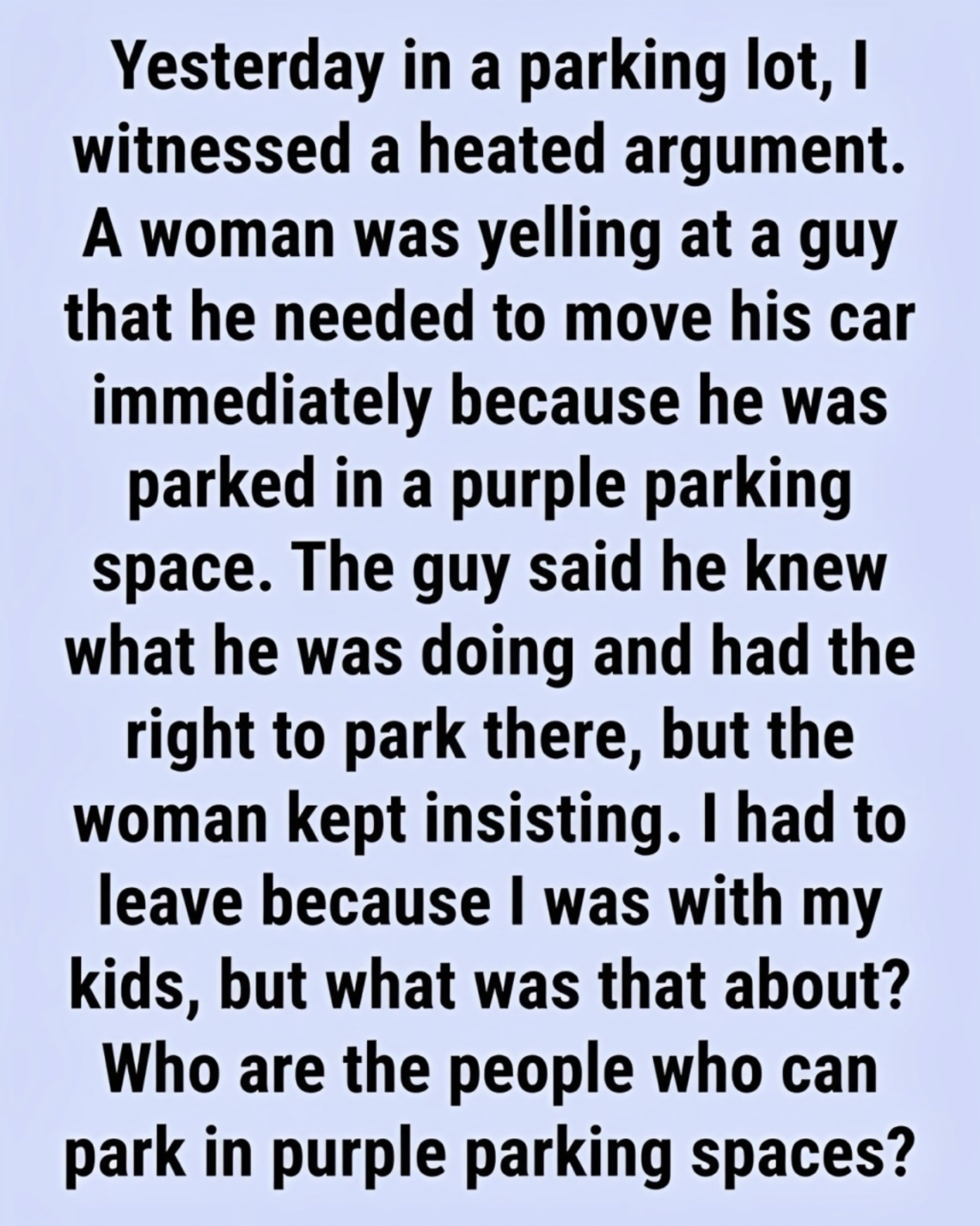
And Why You Should Think Twice Before Parking in One
Most drivers are familiar with the standard parking lot color system.
You see:
- blue for accessible parking
- red for fire lanes
- yellow for loading zones
- white for general markings.
So when someone suddenly notices a purple-painted parking space, it immediately feels unusual.
The color stands out.
It creates confusion.
And naturally, people begin asking:
- What does purple mean?
- Is it reserved?
- Is it legal to park there?
- Why is it different from every other space?
The answer depends heavily on location, because purple parking spaces are not part of a single universal traffic standard. However, in many places, purple-painted spaces carry specialized meanings connected to:
- accessibility initiatives
- safety programs
- designated services
- memorial campaigns
- or private property rules.
And ignoring them can sometimes lead to fines, towing, or unintentionally disrespectful behavior.
Why Parking Lots Use Color-Coded Spaces
Modern parking systems rely heavily on color psychology and visual communication.
Drivers make decisions quickly, often while:
- distracted
- searching for openings
- navigating traffic
- avoiding pedestrians.
Colors help communicate rules faster than words alone.
Certain colors immediately trigger associations:
- red = stop or danger
- blue = accessibility
- yellow = caution
- green = temporary or limited.
Purple, because it’s less common, naturally attracts attention.
That rarity is intentional.
One Common Meaning: Reserved Accessibility or Special Assistance Programs
In some areas, purple spaces are used for programs supporting:
- individuals with cognitive disabilities
- neurodivergent passengers
- sensory-sensitive individuals
- or special community assistance initiatives.
For example, some organizations and private businesses have experimented with purple parking areas designed to help families or individuals needing:
- extra unloading space
- calmer access points
- proximity to entrances.
These programs are not standardized nationwide, which is why meanings vary.
Purple and Domestic Violence Awareness
In certain communities, purple is strongly associated with:
- domestic violence awareness campaigns.
Some parking areas painted purple may appear near:
- shelters
- support organizations
- awareness events
- fundraising campaigns.
In these cases, the color may serve more as a symbolic public-awareness tool rather than an enforceable parking category.
Purple Curbs and Local Parking Laws
Some cities use purple-painted curbs or markings for very specific parking regulations.
Depending on the municipality, purple markings may indicate:
- permit-only parking
- time-restricted loading
- rideshare pickup zones
- electric vehicle charging policies
- temporary designated spaces.
This is why local signage matters far more than color alone.
Why You Should Never Assume a Space Is “Normal”
One major mistake drivers make:
assuming unfamiliar parking markings are decorative.
They aren’t.
Even if the meaning is unclear, colored spaces often indicate:
- restrictions
- reserved access
- legal limitations
- private property rules.
Parking casually in an unfamiliar marked zone can result in:
- tickets
- towing
- embarrassment
- inconvenience for others.
The Psychology of Unusual Colors
Purple is especially effective because it’s uncommon in road systems.
Your brain notices it immediately because it breaks visual expectations.
That makes it useful for:
- awareness campaigns
- specialty parking
- attention-grabbing accessibility design.
Humans are highly sensitive to pattern disruption, especially in structured environments like parking lots.
Accessibility Design Is Evolving
Traditional accessibility parking focused mainly on physical mobility.
But modern urban planning increasingly recognizes other needs too, including:
- sensory processing differences
- cognitive accessibility
- neurological conditions
- invisible disabilities.
That’s one reason some communities experiment with alternative parking systems and color designations.
Why Signs Matter More Than Paint
The most important rule:
always read posted signage.
Paint color alone is not legally reliable across every location.
A purple space may mean completely different things depending on:
- country
- state
- city
- private property owner
- organization.
Signs determine actual enforcement.
Businesses Sometimes Create Their Own Systems
Shopping centers, hospitals, schools, and private facilities sometimes use custom parking colors for:
- employee zones
- pickup areas
- expectant mothers
- veterans
- online order pickup
- pharmacy access
- special programs.
Purple may simply be part of a private facility’s branding or organizational system.
Why Confusion Around Purple Parking Keeps Growing Online
Social media has amplified curiosity about unusual parking spaces because:
- uncommon markings look mysterious
- photos spread quickly
- local systems appear universal online.
Someone sees a purple space in one town, posts it online, and suddenly thousands assume the same meaning applies everywhere.
Often, it doesn’t.
The Broader Meaning Behind Specialty Parking
At its core, specialized parking reflects changing ideas about:
- accessibility
- inclusivity
- convenience
- public awareness
- community support.
Parking lots may seem mundane, but they quietly reflect evolving social priorities.
What To Do If You See a Purple Parking Space
1. Read Nearby Signs
This is always the first step.
2. Look for Symbols or Logos
Special icons may clarify the purpose.
3. Avoid Assuming It’s Public Parking
Especially if markings are bold or highly visible.
4. When Unsure, Park Elsewhere
It’s usually safer and more respectful.
Why Respecting Specialty Spaces Matters
Even when rules aren’t legally enforced, specialty parking often exists because certain individuals genuinely benefit from:
- easier access
- reduced stress
- safer entry points
- additional space.
Treating those spaces casually can create real inconvenience for people who rely on them.

Welcome to my kitchen!
I’m a passionate home cook and recipe creator who loves turning simple ingredients into delicious, comforting meals that everyone can enjoy. Through this website, I share carefully prepared recipes, practical cooking tips, and easy-to-understand food education to help you feel more confident in the kitchen.
My goal is to make cooking simple, enjoyable, and accessible. Whether you are looking for a quick family dinner, a delicious dessert, healthy meal ideas, or traditional recipes with a modern touch, you’ll find inspiration here.
More Than Just Recipes
I believe that cooking is also a way to learn. That’s why this website is not only about recipes. I also create educational articles about ingredients, cooking techniques, kitchen tips, food preparation, and the stories behind different dishes.
Each article is designed to give you useful knowledge that you can apply in your own kitchen. From understanding how ingredients work together to learning better cooking methods, my aim is to help you become a more confident and creative cook.
My Philosophy
Good food doesn’t always require complicated ingredients or professional equipment. With a little knowledge, patience, and creativity, simple ingredients can become something truly special.
I believe in sharing recipes that are practical, clearly explained, and enjoyable to make. I also love exploring new flavors while appreciating traditional cooking and the recipes passed down through generations.
Thank you for visiting my kitchen and being part of this food-loving community. I hope my recipes and articles inspire you to cook, learn, experiment, and most importantly, enjoy every bite!
Happy cooking!