What Really Happens When You Soak Berries in Salt Water—and Whether They’re Safe to Eat
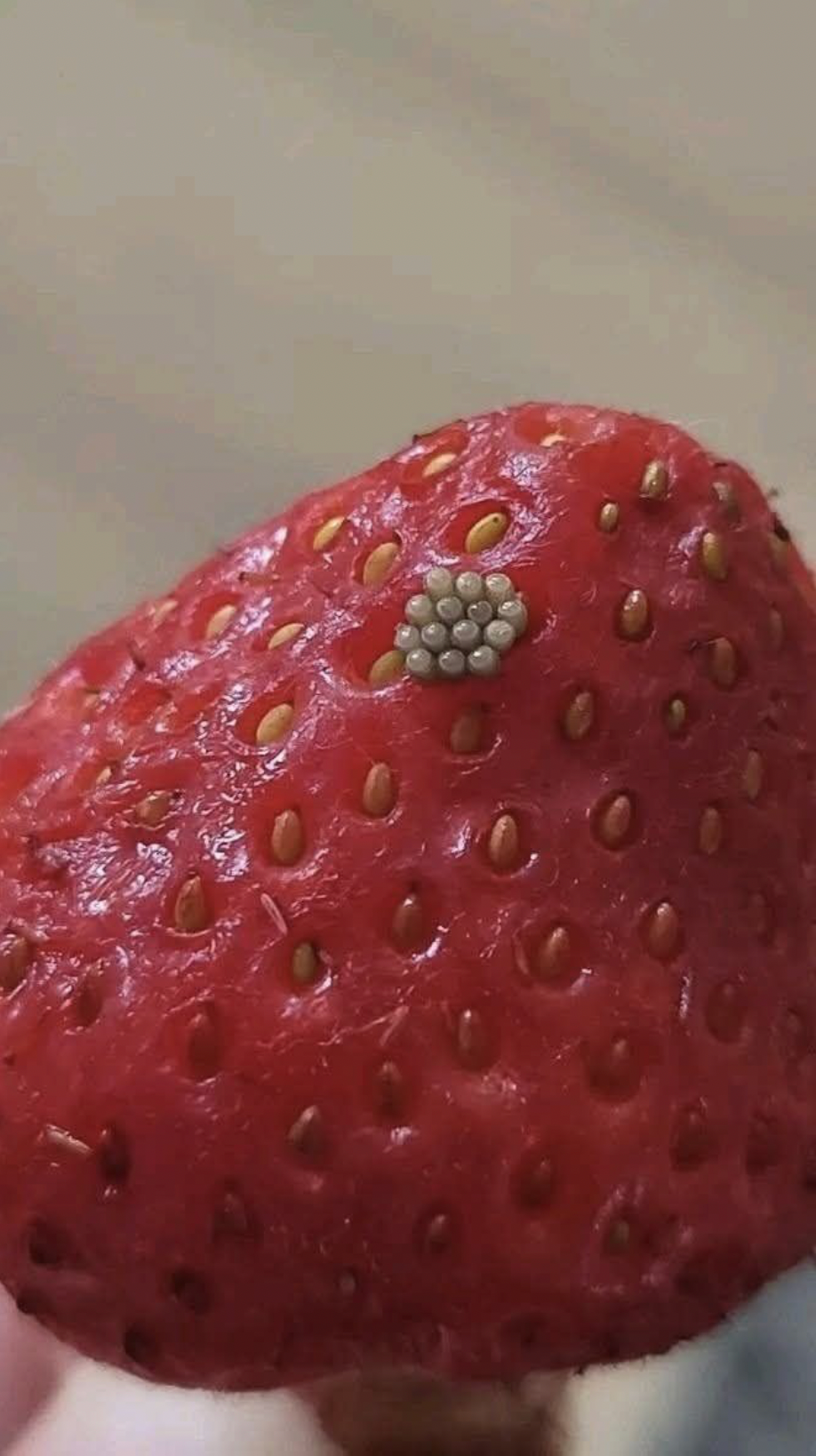
Few things are as unsettling as preparing a bowl of fresh strawberries, only to hear that soaking them in salt water can reveal tiny white “worms” crawling out. The idea alone is enough to make anyone hesitate before taking the next bite.
But how true is this claim? Are these creatures actually present in strawberries? And if so, does that mean the fruit is unsafe?
This guide takes a calm, science-based look at what’s really going on—separating viral internet claims from reality, and helping you understand whether you should be concerned.
What Are the “White Worms” People Are Talking About?
The small white organisms sometimes seen emerging from strawberries after soaking are typically the larvae of a tiny insect known as the spotted wing drosophila.
Unlike common fruit flies that lay eggs on overripe or rotting fruit, this species is unique because:
- It lays eggs inside fresh, ripening fruit
- It uses a specialized ovipositor (egg-laying structure) to pierce the fruit’s skin
- The larvae develop inside the fruit as it matures
This makes strawberries, raspberries, and similar soft fruits particularly vulnerable.
How Do These Larvae End Up in Strawberries?
The process is surprisingly simple and natural.
- The adult fruit fly lands on a ripening strawberry
- It deposits eggs just beneath the surface
- The eggs hatch into tiny larvae
- The larvae feed inside the fruit
Because they are so small and hidden within the flesh, they are usually invisible to the naked eye until disturbed.
Why Does Salt Water Make Them Come Out?
When strawberries are soaked in salt water, something interesting happens.
The mechanism:
- Salt changes the osmotic environment around the larvae
- This creates stress for the organisms
- They instinctively move out of the fruit to survive
As a result, the larvae may emerge and become visible in the water.
How Common Is This Issue?
While the idea can be alarming, it’s important to keep things in perspective.
- Not all strawberries contain larvae
- Infestation levels vary by region, season, and farming practices
- Commercially grown strawberries are monitored and managed to reduce pest presence
In many cases, the number of larvae—if present at all—is extremely small.
Are Strawberries with Larvae Safe to Eat?
This is the question most people care about.
The general answer:
Yes, in most cases, strawberries with these larvae are still considered safe to eat.
Here’s why:
- The larvae are not harmful to humans
- They do not produce toxins
- They are part of natural agricultural ecosystems
In fact, consuming small amounts of insect material in produce is not uncommon and is regulated within safe limits in many countries.
Why This Feels So Disturbing
Even though it’s generally safe, the reaction people have is completely understandable.
The discomfort comes from:
- The idea of eating something alive or hidden
- The unexpected nature of the discovery
- Cultural perceptions about cleanliness and food
This is more of a psychological response than a health risk.
Does Washing Remove the Problem?
Rinsing strawberries under running water helps remove:
- Dirt
- Pesticide residues
- Surface microbes
However, it does not always remove larvae inside the fruit, since they are embedded beneath the surface.
Salt Water Soaking: Should You Do It?
Soaking strawberries in salt water is a method some people use to:
- Remove potential larvae
- Clean the fruit more thoroughly
Pros:
- Can reveal hidden organisms
- Provides peace of mind
Cons:
- May affect taste if overdone
- Not necessary for safety
- Can make fruit softer if soaked too long
If you choose to do it, a short soak followed by a rinse is sufficient.
Alternative Cleaning Methods
If you prefer not to use salt water, you can try:
1. Vinegar Solution
- Mix vinegar and water
- Helps reduce bacteria
2. Baking Soda Wash
- Helps remove surface residues
3. Thorough Rinsing
- Still effective for general cleaning
How to Reduce the Chances of Finding Larvae
While you can’t eliminate the risk completely, you can reduce it.
1. Buy Fresh, Firm Strawberries
Avoid:
- Overripe fruit
- Soft or damaged berries
2. Store Properly
Keep strawberries:
- Refrigerated
- Dry until ready to eat
3. Eat Soon After Purchase
The longer strawberries sit, the more likely any existing eggs may develop.
4. Choose Trusted Sources
Local or well-regulated farms often follow pest management practices.
Organic vs. Conventional Strawberries
Some people assume organic strawberries have more insects.
In reality:
- Organic farming avoids synthetic pesticides
- But still uses pest control methods
- Infestation levels vary widely
Neither type guarantees absence of larvae.
Nutritional Benefits of Strawberries
Despite this concern, strawberries remain highly nutritious.
strawberry is rich in:
- Vitamin C
- Fiber
- Antioxidants
They support:
- Immune health
- Skin health
- Heart function
The benefits of eating strawberries generally far outweigh the minimal risks associated with occasional larvae.
Should You Stop Eating Strawberries?
For most people, the answer is no.
The presence of tiny larvae—while unpleasant to think about—does not outweigh the nutritional value and overall safety of strawberries.
However, if it bothers you:
- Use cleaning methods
- Cut the fruit into pieces
- Choose alternative fruits
Food choices should always align with both health and comfort.
The Bigger Picture: Nature and Food Reality
Modern food systems often give the impression that produce is perfectly clean and controlled. But fruits and vegetables come from natural environments where insects, microorganisms, and ecosystems interact constantly.
What this situation reveals is:
- Food is not sterile
- Nature is complex
- Perfection is often an illusion
Understanding this can help reduce unnecessary fear while promoting informed choices.

Welcome to my kitchen!
I’m a passionate home cook and recipe creator who loves turning simple ingredients into delicious, comforting meals that everyone can enjoy. Through this website, I share carefully prepared recipes, practical cooking tips, and easy-to-understand food education to help you feel more confident in the kitchen.
My goal is to make cooking simple, enjoyable, and accessible. Whether you are looking for a quick family dinner, a delicious dessert, healthy meal ideas, or traditional recipes with a modern touch, you’ll find inspiration here.
More Than Just Recipes
I believe that cooking is also a way to learn. That’s why this website is not only about recipes. I also create educational articles about ingredients, cooking techniques, kitchen tips, food preparation, and the stories behind different dishes.
Each article is designed to give you useful knowledge that you can apply in your own kitchen. From understanding how ingredients work together to learning better cooking methods, my aim is to help you become a more confident and creative cook.
My Philosophy
Good food doesn’t always require complicated ingredients or professional equipment. With a little knowledge, patience, and creativity, simple ingredients can become something truly special.
I believe in sharing recipes that are practical, clearly explained, and enjoyable to make. I also love exploring new flavors while appreciating traditional cooking and the recipes passed down through generations.
Thank you for visiting my kitchen and being part of this food-loving community. I hope my recipes and articles inspire you to cook, learn, experiment, and most importantly, enjoy every bite!
Happy cooking!