The Overlooked Superfood That Delivers Protein, Minerals, and Real Value
In a world where “superfoods” often come with high price tags and trendy marketing, some of the most nutrient-rich foods remain quietly overlooked. One of the best examples is the humble chicken gizzard.
Often dismissed as an unusual or old-fashioned ingredient, chicken gizzard has been a staple in traditional cuisines across the globe for generations. From slow-cooked stews to street food snacks, gizzards have long been valued for their rich flavor, affordability, and impressive nutritional profile.
Today, as more people return to whole foods and nose-to-tail eating, gizzards are gaining renewed attention—not as a novelty, but as a practical and powerful addition to a healthy diet.
What Exactly Is a Chicken Gizzard?
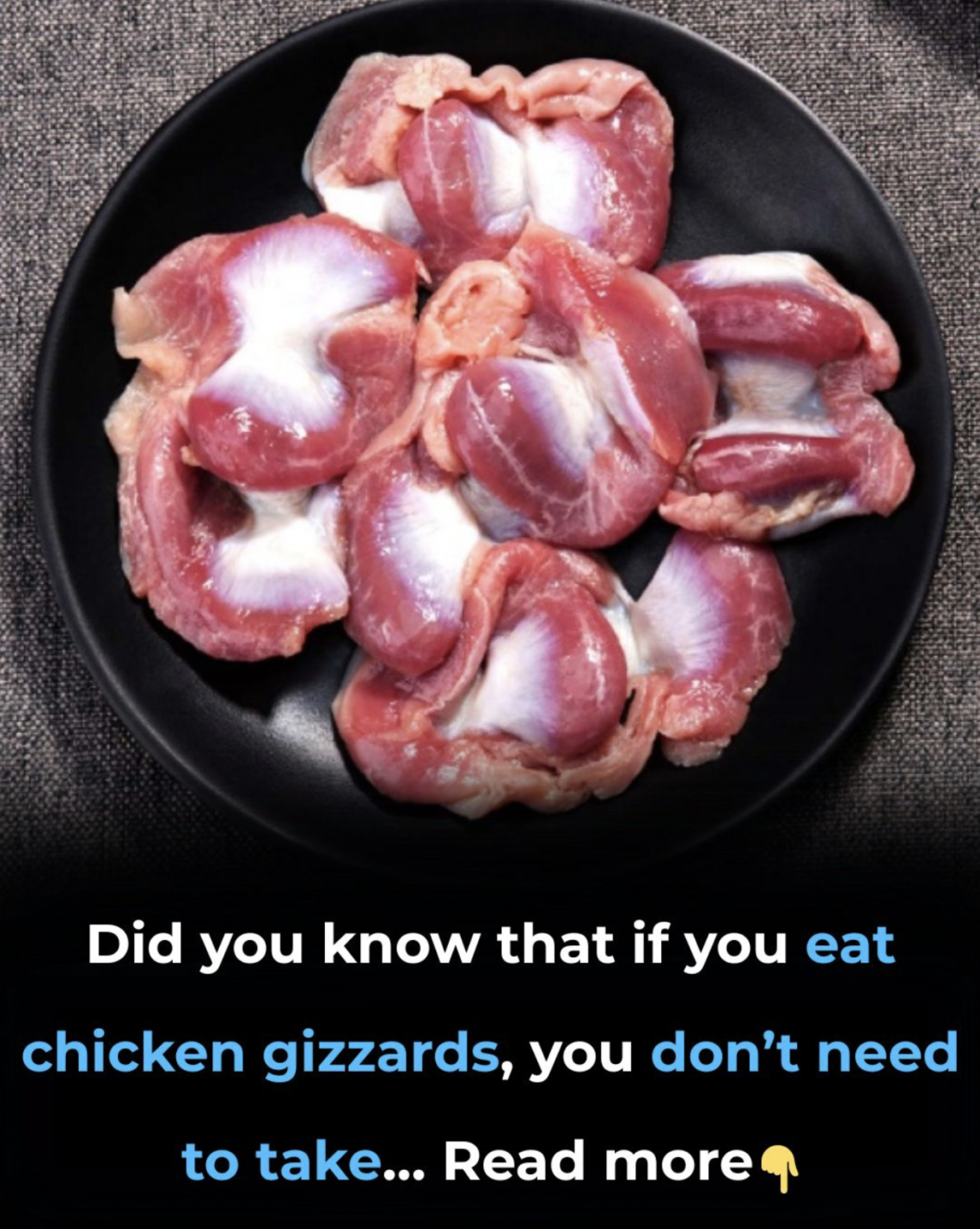
The gizzard is a muscular part of a chicken’s digestive system. Since chickens don’t have teeth, the gizzard grinds food using strong muscle contractions, often with the help of small particles like grit.
This constant activity gives gizzards their:
- Dense texture
- Deep, meaty flavor
- High protein content
Unlike typical cuts of meat, gizzards are firm and slightly chewy when cooked quickly, but become tender and rich when cooked slowly.
1. Exceptional Protein Content
One of the most significant benefits of chicken gizzards is their high-quality protein.
Protein is essential for:
- Muscle maintenance
- Tissue repair
- Immune function
- Enzyme and hormone production
Gizzards provide a concentrated source of protein with relatively low fat, making them an excellent choice for:
- Athletes
- People trying to maintain muscle mass
- Older adults looking to prevent muscle loss
2. Rich in Iron: Supporting Energy and Blood Health
Chicken gizzards are an excellent source of iron, particularly heme iron—the type most easily absorbed by the body.
Iron plays a crucial role in:
- Oxygen transport in the blood
- Energy production
- Prevention of fatigue
For individuals at risk of iron deficiency anemia, including women and older adults, iron-rich foods like gizzards can be especially beneficial.
3. High in Vitamin B12
Vitamin B12 is essential for:
- Nerve function
- Red blood cell formation
- Brain health
Deficiency can lead to:
- Fatigue
- Memory issues
- Neurological problems
Gizzards provide a natural and bioavailable source of B12, which is particularly important for people who consume limited amounts of red meat.
4. Zinc for Immune Support
Zinc is another key nutrient found in gizzards.
It supports:
- Immune system function
- Wound healing
- Cellular repair
Regular intake of zinc helps the body respond more effectively to infections and maintain overall resilience.
5. Low in Fat Compared to Other Meats
Despite being rich in nutrients, gizzards are relatively low in fat, especially when compared to processed meats.
This makes them:
- A lean protein option
- Suitable for calorie-conscious diets
- A good alternative to fattier cuts
6. Collagen and Connective Tissue Benefits
Because gizzards are muscular and contain connective tissue, they provide small amounts of collagen-related compounds.
These may support:
- Joint health
- Skin elasticity
- Tissue repair
While not as rich in collagen as bone broth, they still contribute to overall intake.
7. Budget-Friendly Nutrition
One of the most practical advantages of chicken gizzards is affordability.
They offer:
- High nutritional value
- Low cost
- Accessibility in many markets
This makes them an excellent option for:
- Families on a budget
- Meal prep
- High-protein diets without high expense
8. Satiety and Weight Management
Thanks to their protein density, gizzards are highly filling.
They help:
- Reduce hunger
- Control portion sizes
- Maintain steady energy levels
This makes them useful for weight management and balanced eating.
9. Cultural and Culinary Significance
Chicken gizzards are widely used in global cuisines.
They appear in:
- African stews
- Asian stir-fries
- Southern-style fried dishes
- Middle Eastern slow-cooked meals
Their versatility reflects their value across different food traditions.
10. How to Cook Chicken Gizzards Properly
Cooking method is key to enjoying gizzards.
Slow Cooking (Best Method)
- Simmer for 1–2 hours
- Results in tender, flavorful meat
Pressure Cooking
- Speeds up the process
- Maintains tenderness
Frying (After Pre-Cooking)
- Boil first, then fry
- Creates a crispy exterior with soft interior
Grilling
- Marinate first
- Cook slowly to avoid toughness
11. Flavor Profile
Gizzards have:
- A rich, slightly gamey flavor
- A firm texture
- A taste similar to dark meat
They absorb seasonings well, making them adaptable to many recipes.
12. Potential Downsides and Considerations
While nutritious, there are a few things to keep in mind.
1. Texture
Some people find gizzards too chewy if not cooked properly.
2. Cholesterol Content
Like many organ meats, they contain cholesterol, so moderation is important for individuals with specific dietary restrictions.
3. Preparation Time
They require longer cooking compared to standard cuts.
13. Who Can Benefit Most?
Chicken gizzards are especially beneficial for:
- Athletes
- Older adults
- People with increased iron needs
- Budget-conscious individuals
14. How to Include Them in Your Diet
Simple ways to use gizzards:
- Add to soups and stews
- Mix with rice or grains
- Serve as a protein side dish
- Use in meal prep
15. Long-Term Benefits of Regular Consumption
When eaten as part of a balanced diet, gizzards may contribute to:
- Improved nutrient intake
- Better energy levels
- Stronger immune function
- Support for muscle health
16. What Nutrition Experts Say
Many experts encourage:
- Eating a variety of protein sources
- Including organ meats in moderation
- Choosing whole, minimally processed foods
Gizzards fit well within these recommendations.

Welcome to my kitchen!
I’m a passionate home cook and recipe creator who loves turning simple ingredients into delicious, comforting meals that everyone can enjoy. Through this website, I share carefully prepared recipes, practical cooking tips, and easy-to-understand food education to help you feel more confident in the kitchen.
My goal is to make cooking simple, enjoyable, and accessible. Whether you are looking for a quick family dinner, a delicious dessert, healthy meal ideas, or traditional recipes with a modern touch, you’ll find inspiration here.
More Than Just Recipes
I believe that cooking is also a way to learn. That’s why this website is not only about recipes. I also create educational articles about ingredients, cooking techniques, kitchen tips, food preparation, and the stories behind different dishes.
Each article is designed to give you useful knowledge that you can apply in your own kitchen. From understanding how ingredients work together to learning better cooking methods, my aim is to help you become a more confident and creative cook.
My Philosophy
Good food doesn’t always require complicated ingredients or professional equipment. With a little knowledge, patience, and creativity, simple ingredients can become something truly special.
I believe in sharing recipes that are practical, clearly explained, and enjoyable to make. I also love exploring new flavors while appreciating traditional cooking and the recipes passed down through generations.
Thank you for visiting my kitchen and being part of this food-loving community. I hope my recipes and articles inspire you to cook, learn, experiment, and most importantly, enjoy every bite!
Happy cooking!