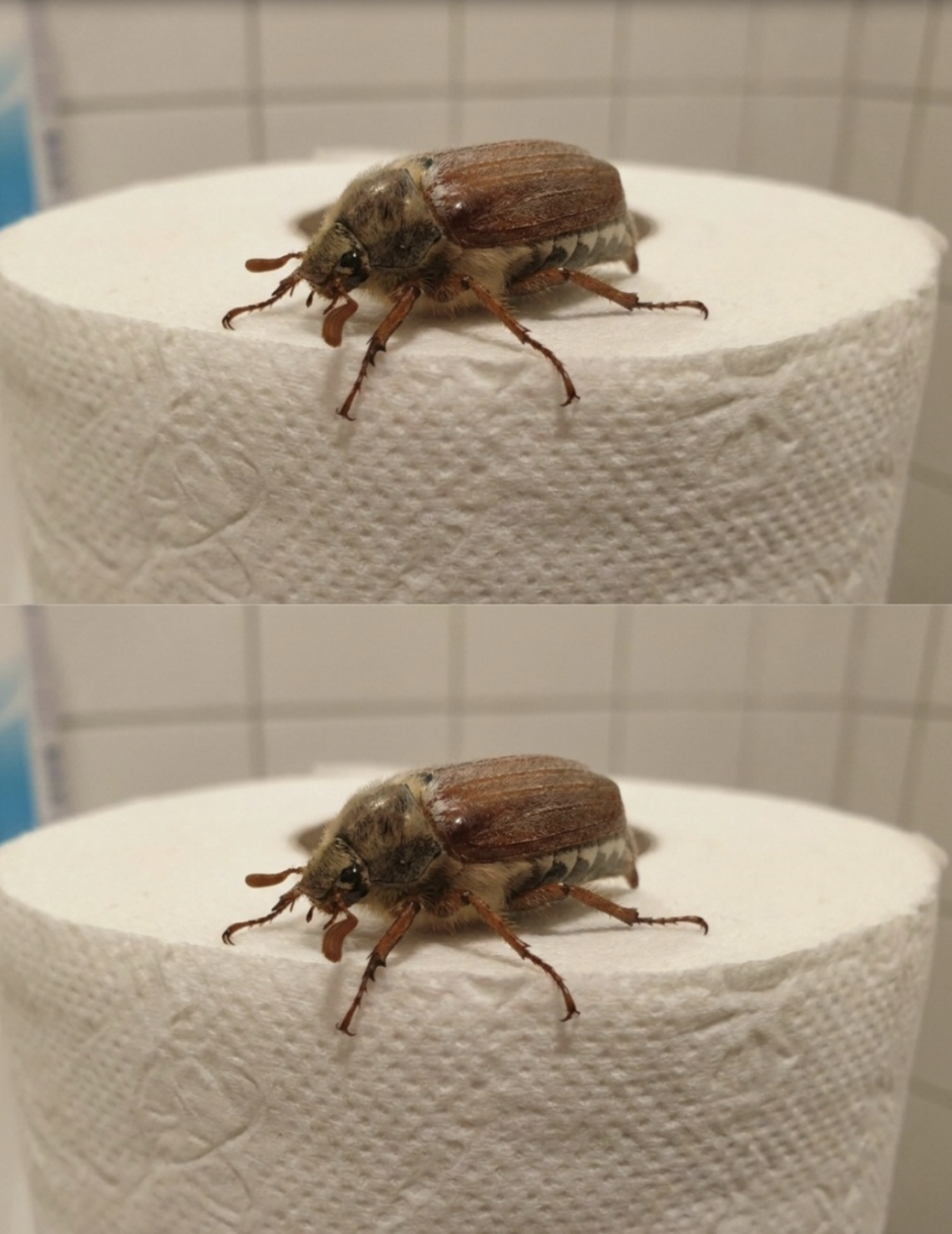
The Loud, Clumsy Night Visitor That Startles Everyone at Least Once
It usually happens late at night.
The bathroom light flicks on.
Everything seems normal for about two seconds.
Then suddenly:
WHAP.
Something large and noisy crashes into the light fixture, bounces off the wall, ricochets toward the mirror, and sends your nervous system into full survival mode before you even understand what happened.
For many people, the immediate reaction is:
- panic
- confusion
- disgust
- or a frantic leap backward while trying to identify the flying object circling the room.
And almost everyone asks the same question afterward:
“What WAS that thing?”
If you’ve already ruled out a June bug, there’s a very good chance you encountered one of the most common nighttime insect visitors in homes:
- a click beetle
- chafer beetle
- scarab beetle
- or another harmless light-attracted beetle species.
These insects are notorious for:
- loud flying
- terrible navigation
- dramatic collisions with walls and lights
- and accidentally terrifying innocent people trying to brush their teeth in peace.
The good news?
Most of them are harmless.
But understanding why they appear, what attracts them, and what to do when one suddenly starts dive-bombing your bathroom light can make the experience much less alarming.
Why These Bugs Always Seem So Aggressive
One of the funniest things about these beetles is that they often sound:
- enormous
- angry
- determined to attack
when in reality they are usually:
- confused
- disoriented
- and extremely bad at flying indoors.
Their hard shell amplifies every impact.
So when they slam into:
- light fixtures
- mirrors
- ceilings
- walls
it sounds far more dramatic than it actually is.
Why Bathrooms Attract Them
Bathrooms accidentally create ideal conditions for nighttime insects because they combine:
- bright light
- warmth
- moisture
- reflective surfaces
Many insects navigate naturally using:
- moonlight
- ambient outdoor light sources
Artificial lights confuse this system.
Once attracted indoors, insects often become trapped and disoriented.
Why They Crash Into Lights
Many flying insects are positively phototactic, meaning:
- they instinctively move toward light.
Scientists believe artificial lighting interferes with their navigation systems.
Instead of flying smoothly past a light source, they circle it repeatedly and collide with nearby objects.
Why They Sound So Loud
Large beetles have:
- hard outer shells
- heavy bodies
- rapid wing vibrations
When they hit walls or light fixtures, the sound echoes sharply in small rooms like bathrooms.
This creates the illusion that the insect is:
- larger
- faster
- or more aggressive than it truly is.
Common Bugs Mistaken for June Bugs
Many people casually call any large noisy brown beetle a:
- June bug.
But several different insects look similar.
1. Chafer Beetles
These are extremely common nighttime beetles.
Characteristics:
- tan or brown color
- clumsy flight
- attracted strongly to lights
- harmless to humans
They often appear during warmer months.
2. Click Beetles
Click beetles have elongated bodies and a strange ability:
- they can “snap” or click their bodies to flip upright.
If trapped indoors, they often create startling sounds.
They are harmless.
3. Scarab Beetles
Some scarab species resemble June bugs closely.
They are:
- chunky
- noisy flyers
- attracted to porch and bathroom lights
4. Stag Beetles or Larger Beetles
Occasionally larger beetles wander indoors accidentally.
Their size makes them especially intimidating, though most are not dangerous.
Why Bugs Appear Suddenly at Night
Many nocturnal insects remain hidden during daylight hours.
At night they become active for:
- mating
- feeding
- navigation
Artificial lighting acts like a beacon.
How They Enter the House
Most beetles enter through:
- open doors
- cracked windows
- gaps around screens
- vents
- spaces under doors
Even tiny openings may allow insects inside.
Why Bathrooms Become “Trap Rooms”
Bathrooms are especially confusing for insects because they contain:
- mirrors
- glossy surfaces
- reflective tile
- bright concentrated lighting
The insect struggles to escape because reflections distort its perception.
Why They Seem Determined to Fly at Your Face
This is one of the most common fears.
In reality, the insect is usually not targeting you specifically.
It is reacting to:
- movement
- light
- air currents
- confusion indoors
Humans simply happen to occupy the same chaotic flight path.
Are These Bugs Dangerous?
Most common nighttime bathroom beetles are:
- harmless
- non-venomous
- non-aggressive
They generally do not:
- bite
- sting
- spread disease
Though they may certainly startle you.
Why Humans React So Strongly to Flying Bugs
Sudden unpredictable movement triggers instinctive alarm responses in humans.
Especially:
- buzzing near the face
- fast motion
- unexpected collisions
The brain interprets these as possible threats before logical identification happens.
Why Beetles Fly So Clumsily Indoors
Beetles evolved for:
- outdoor navigation
- open-air movement
- natural light orientation
Indoor spaces confuse them because:
- walls appear suddenly
- ceilings limit movement
- artificial lights distort direction
What You Should NOT Do
When startled, people often:
- swing wildly
- spray excessive chemicals
- panic
But most of these insects do not require aggressive action.
Better Ways to Handle Them
1. Stay Calm
The insect is almost certainly more frightened and disoriented than you are.
2. Turn Off Bright Bathroom Lights
If possible:
- darken the room
- open a nearby exterior door or window
- leave a single outdoor light source visible
The insect may navigate out naturally.
3. Use a Cup-and-Paper Method
A common humane method:
- place a cup or container over the insect
- slide paper underneath
- release it outside
4. Avoid Crushing Bare-Handed
Some beetles release unpleasant odors or fluids defensively.
Use tissues or containers if removal is necessary.
Why Killing Them Usually Isn’t Necessary
Most beetles entering homes do so accidentally.
They are not:
- nesting indoors
- infesting bathrooms
- attacking people
Usually they simply:
- become trapped temporarily.
Why They Appear More During Certain Seasons
Warm weather dramatically increases insect activity.
Late spring and summer bring:
- mating seasons
- nighttime swarms
- increased flying behavior
which explains seasonal bathroom encounters.
The Connection Between Rain and Bugs
After rainstorms, insects may appear more frequently because:
- moisture affects soil habitats
- humidity increases activity
- flying conditions improve
Outdoor insects become more mobile.
Why Porch Lights Attract So Many Insects
Exterior lights act like gathering points for nighttime insects.
Once insects cluster near entrances, some inevitably wander inside.
How to Reduce Future Encounters
You cannot eliminate all insects outdoors, but you can reduce indoor visitors by:
- sealing window gaps
- repairing screens
- limiting open doors at night
- reducing bright exterior lighting
- switching to warmer-colored bulbs
Why Warm-Colored Lights Help
Some studies suggest cooler blue-white lights attract more insects than:
- warmer yellow-toned lighting.
Many bug-resistant outdoor bulbs use warmer spectrums.
Why One Bug Doesn’t Mean Infestation
People often fear:
“If I saw one, there must be hundreds.”
But many flying beetles are solitary wanderers attracted accidentally by light.
A single beetle indoors usually does not indicate infestation.
Why Childhood Memories of Bugs Feel So Intense
Many people vividly remember nighttime bug encounters because surprise insect incidents trigger:
- adrenaline
- fear
- sensory memory
The combination of darkness, buzzing, and unpredictability creates strong emotional impressions.
The Cultural Reputation of “Big Flying Bugs”
Large beetles have developed exaggerated reputations because:
- they fly noisily
- look armored
- move unpredictably
Yet many are biologically harmless and ecologically beneficial outdoors.
Why Beetles Matter Ecologically
Outside, beetles play important roles including:
- decomposing organic matter
- recycling nutrients
- supporting ecosystems
- serving as food for birds and animals
Indoors they may feel alarming, but outdoors they are important environmental participants.
The Difference Between Fear and Danger
One fascinating thing about bugs is how strongly humans react emotionally to creatures that pose little actual threat.
A noisy beetle can create more panic than genuinely dangerous but quieter household hazards.

Welcome to my kitchen!
I’m a passionate home cook and recipe creator who loves turning simple ingredients into delicious, comforting meals that everyone can enjoy. Through this website, I share carefully prepared recipes, practical cooking tips, and easy-to-understand food education to help you feel more confident in the kitchen.
My goal is to make cooking simple, enjoyable, and accessible. Whether you are looking for a quick family dinner, a delicious dessert, healthy meal ideas, or traditional recipes with a modern touch, you’ll find inspiration here.
More Than Just Recipes
I believe that cooking is also a way to learn. That’s why this website is not only about recipes. I also create educational articles about ingredients, cooking techniques, kitchen tips, food preparation, and the stories behind different dishes.
Each article is designed to give you useful knowledge that you can apply in your own kitchen. From understanding how ingredients work together to learning better cooking methods, my aim is to help you become a more confident and creative cook.
My Philosophy
Good food doesn’t always require complicated ingredients or professional equipment. With a little knowledge, patience, and creativity, simple ingredients can become something truly special.
I believe in sharing recipes that are practical, clearly explained, and enjoyable to make. I also love exploring new flavors while appreciating traditional cooking and the recipes passed down through generations.
Thank you for visiting my kitchen and being part of this food-loving community. I hope my recipes and articles inspire you to cook, learn, experiment, and most importantly, enjoy every bite!
Happy cooking!