A Light, Airy, Elegant French Dessert (Full Detailed Guide)
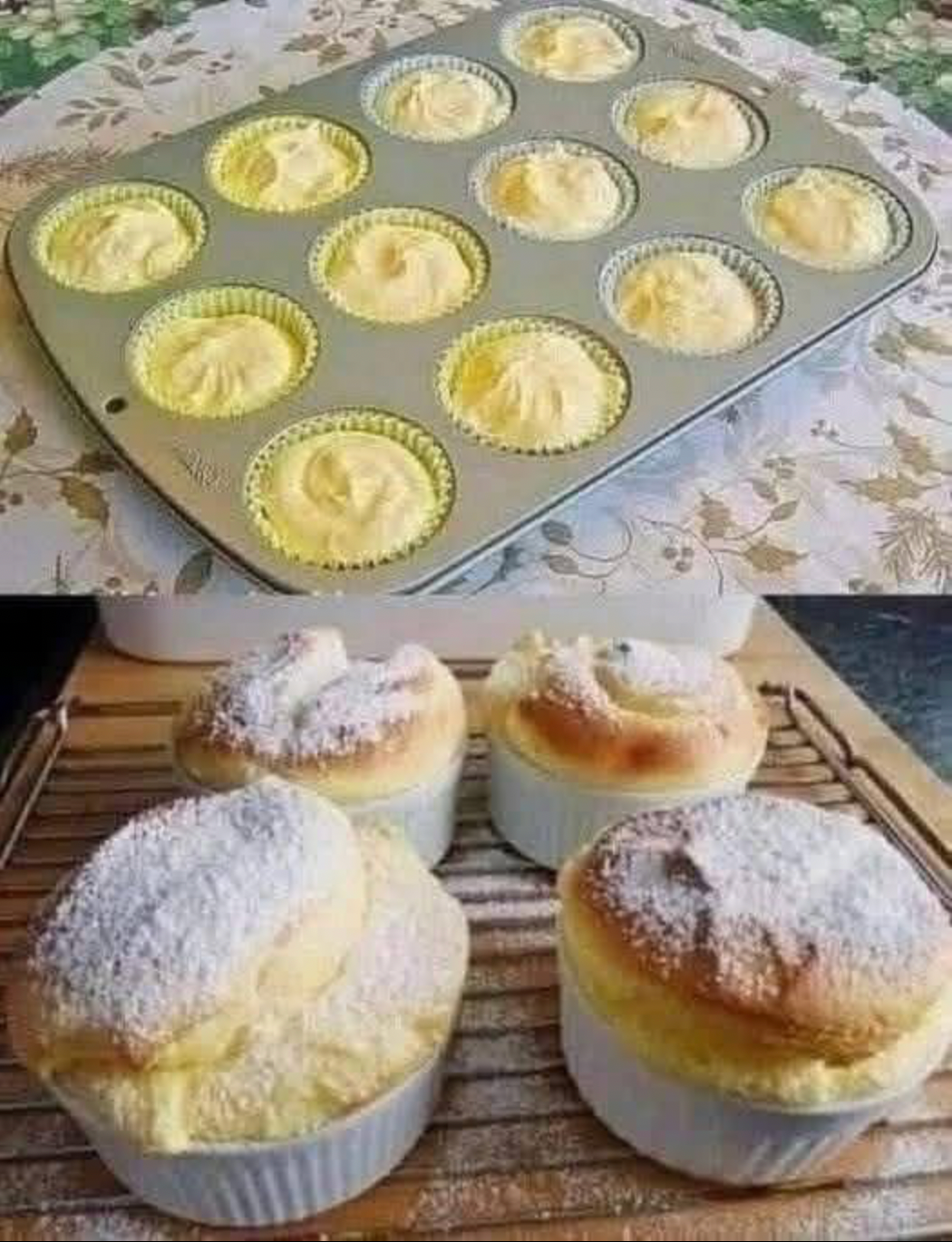
A Classic Vanilla Soufflé is one of the most iconic desserts in French cuisine. It is known for its dramatic rise, cloud-like texture, and delicate vanilla flavor. When done correctly, it puffs up beautifully in the oven, creating a golden, slightly crisp top and a soft, airy center that feels almost weightless on the spoon.
Even though soufflé has a reputation for being “difficult,” it is really about technique, patience, and precision—not complicated ingredients.
It is a dessert that feels elegant, restaurant-level, and impressive, yet is made from simple pantry staples.
What Makes a Soufflé Special?
A soufflé is unique because it:
- rises dramatically in the oven
- has a light, airy structure
- melts in your mouth
- uses whipped egg whites for lift
- is served immediately after baking
It is part dessert, part science experiment.
The magic comes from air trapped in egg whites expanding in heat.
Flavor Profile
A classic vanilla soufflé tastes like:
- warm vanilla custard
- lightly sweet cream
- airy egg foam (not heavy or dense)
- soft, delicate interior
- slightly caramelized top edges
It is not overly rich—it is elegant and subtle.
Key Ingredients (Detailed Breakdown)
1. Eggs (The Most Important Ingredient)
Eggs are the structure of a soufflé.
They are separated into:
- egg yolks → flavor and richness
- egg whites → structure and lift
Egg whites are whipped into stiff peaks, creating air pockets that expand in the oven.
2. Sugar
Sugar provides:
- sweetness
- stability for egg whites
- slight crispness on top
It also helps create a delicate crust.
3. Milk
Milk forms the base of the custard.
It provides:
- creaminess
- moisture
- smooth texture
It is gently thickened before folding with egg whites.
4. Flour or Cornstarch
A small amount is used to stabilize the base.
It helps:
- thicken custard
- support structure
- prevent collapse
5. Vanilla
Vanilla is the main flavor.
It adds:
- warm aroma
- subtle sweetness
- classic dessert character
Vanilla extract or vanilla bean paste can be used.
6. Butter (for the ramekin)
Butter is used to prepare baking dishes.
It helps:
- prevent sticking
- create a surface for soufflé to rise evenly
- add subtle richness
Often combined with sugar coating inside the ramekin.
Step-by-Step Cooking Process
Step 1: Prepare the Ramekins
Grease ramekins generously with butter.
Then coat inside with sugar.
This creates:
- a surface for the soufflé to climb
- a slightly caramelized crust
- better rise
Important:
Do not skip this step.
Step 2: Make the Vanilla Custard Base
In a saucepan:
- heat milk gently
- whisk egg yolks with sugar
- add flour or cornstarch
- slowly combine with warm milk
Cook until thickened into a smooth custard.
Then add vanilla.
Let it cool slightly before next step.
Step 3: Whip the Egg Whites
In a clean, dry bowl:
- beat egg whites
- gradually add sugar
- whip until stiff peaks form
The foam should be:
- glossy
- firm
- able to hold shape
This is what makes the soufflé rise.
Step 4: Fold Gently
Take whipped egg whites and gently fold into custard.
Important technique:
- use slow folding motion
- do not stir aggressively
- preserve air bubbles
This step determines the soufflé’s height.
Step 5: Fill Ramekins
Pour mixture into prepared ramekins.
Fill almost to the top.
Smooth the surface lightly.
Step 6: Bake Immediately
Bake at:
- 190°C (375°F) for 12–18 minutes
Do NOT open the oven while baking.
You will see:
- soufflé rising above ramekin
- golden top forming
- soft wobble in center
Step 7: Serve Immediately
Soufflés begin to deflate quickly after baking.
Serve within 1–2 minutes for best presentation.
What Happens During Baking (The Science)
Soufflé rises because:
Egg whites:
- trap air when whipped
- expand in heat
- create lift
Steam:
- moisture turns into steam
- pushes structure upward
Custard base:
- stabilizes shape
- holds structure temporarily
Once removed from heat, air contracts and soufflé slowly deflates.
Texture Breakdown
A perfect vanilla soufflé has:
- tall, puffed structure
- golden exterior crust
- soft, creamy interior
- light, airy bite
- melt-in-mouth texture
It feels like eating warm vanilla cloud.
Common Mistakes to Avoid
1. Opening oven too early
Causes collapse.
2. Greasy bowl for egg whites
Prevents proper whipping.
3. Overmixing batter
Destroys air bubbles.
4. Underwhipping egg whites
Leads to flat soufflé.
5. Waiting too long before baking
Air deflates quickly.
Variations You Can Try
1. Chocolate Soufflé
Add melted chocolate to base.
2. Lemon Soufflé
Add lemon zest and juice for brightness.
3. Coffee Soufflé
Add espresso powder for deep flavor.
4. Berry Soufflé
Add fruit puree for color and flavor.
5. Cheese Soufflé (Savory Version)
Replace sugar with cheese and spices.
Serving Ideas
Soufflé is best served:
- immediately out of the oven
- dusted with powdered sugar
- with vanilla sauce or cream
- alongside fresh berries
It is often considered a restaurant-style dessert.
Storage
Soufflés do NOT store well.
They:
- deflate quickly
- lose texture
- are not meant to be reheated
Best eaten fresh.
Why People Love Soufflé
It is loved because it is:
- elegant and impressive
- light but flavorful
- visually dramatic
- made with simple ingredients
- a true culinary challenge
It feels like a celebration dessert.
Welcome to my kitchen!
I’m a passionate home cook and recipe creator who loves turning simple ingredients into delicious, comforting meals that everyone can enjoy. Through this website, I share carefully prepared recipes, practical cooking tips, and easy-to-understand food education to help you feel more confident in the kitchen.
My goal is to make cooking simple, enjoyable, and accessible. Whether you are looking for a quick family dinner, a delicious dessert, healthy meal ideas, or traditional recipes with a modern touch, you’ll find inspiration here.
More Than Just Recipes
I believe that cooking is also a way to learn. That’s why this website is not only about recipes. I also create educational articles about ingredients, cooking techniques, kitchen tips, food preparation, and the stories behind different dishes.
Each article is designed to give you useful knowledge that you can apply in your own kitchen. From understanding how ingredients work together to learning better cooking methods, my aim is to help you become a more confident and creative cook.
My Philosophy
Good food doesn’t always require complicated ingredients or professional equipment. With a little knowledge, patience, and creativity, simple ingredients can become something truly special.
I believe in sharing recipes that are practical, clearly explained, and enjoyable to make. I also love exploring new flavors while appreciating traditional cooking and the recipes passed down through generations.
Thank you for visiting my kitchen and being part of this food-loving community. I hope my recipes and articles inspire you to cook, learn, experiment, and most importantly, enjoy every bite!
Happy cooking!