Separating Ancient Tradition, Modern Science, and Popular Health Claims
For centuries, people across many cultures have turned to simple kitchen ingredients not only for flavor, but also for wellness and comfort. Among the most famous natural combinations is the pairing of:
- cinnamon
and - honey.
This mixture has been praised in folk traditions, home remedies, herbal practices, and wellness circles around the world. Some people stir it into tea during cold weather. Others use it in warm water each morning. Some believe it supports digestion, immunity, energy, or general health.
Over time, the combination became surrounded by dramatic headlines claiming:
- “Doctors are shocked!”
- “The miracle remedy they can’t explain!”
- “Cures almost everything!”
But reality is more nuanced—and far more interesting.
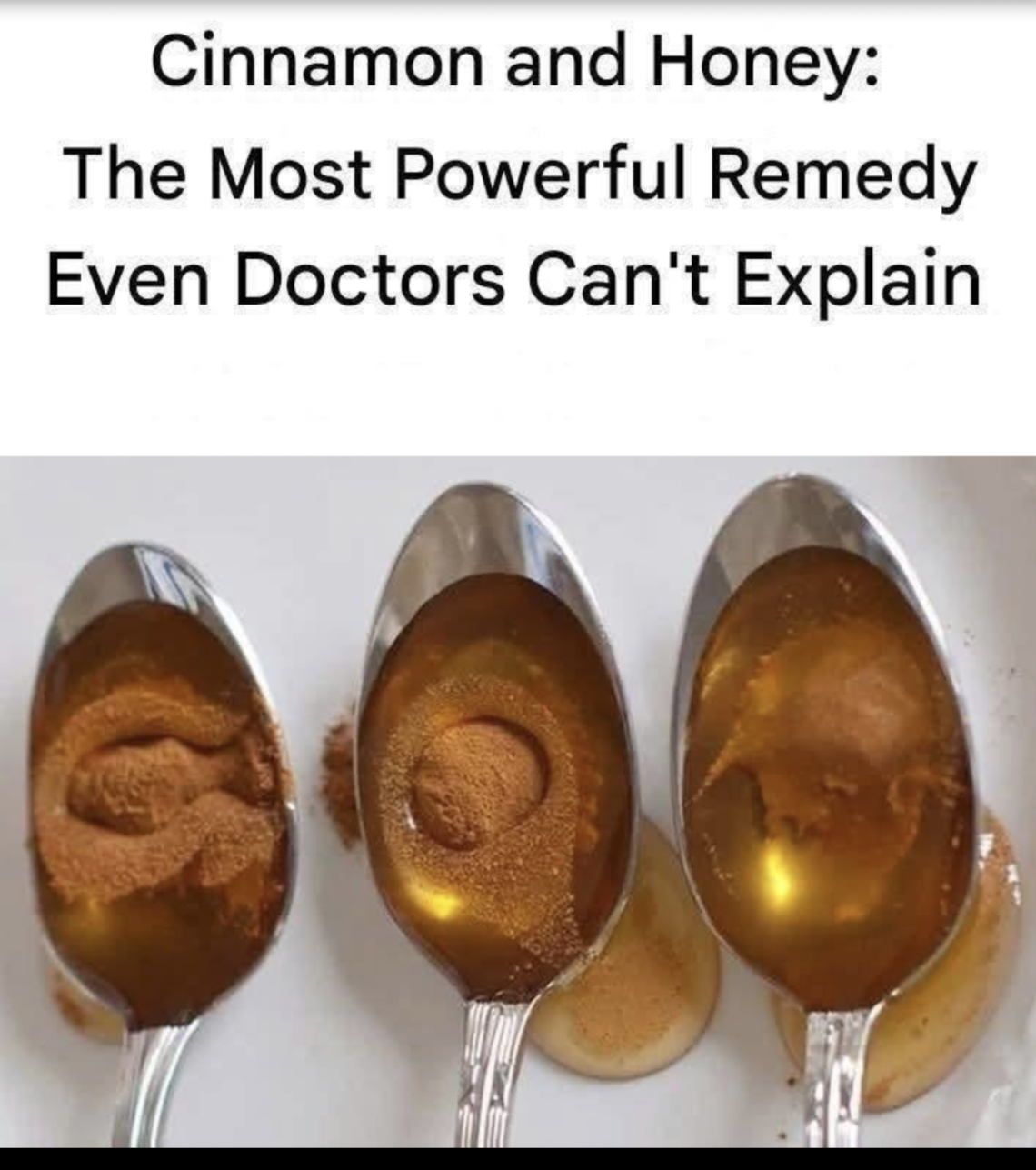
The truth is that cinnamon and honey are not magical cure-alls, nor are they mysterious substances beyond scientific understanding. Modern research actually explains quite a lot about both ingredients. Each contains compounds that may support health in certain ways, although many viral claims online greatly exaggerate what science currently proves.
Still, the popularity of cinnamon and honey did not appear from nowhere. These ingredients have remained beloved for generations because they combine:
- comforting flavor
- long culinary history
- potential wellness benefits
- accessibility
- and cultural tradition.
Understanding what cinnamon and honey can realistically do—and what they cannot—is the best way to appreciate this famous pairing responsibly.
Why People Became Fascinated With Cinnamon and Honey
Part of the appeal comes from how ordinary the ingredients are.
Unlike expensive supplements or rare herbs, cinnamon and honey are:
- familiar
- affordable
- widely available
- naturally flavorful
People are naturally drawn to remedies that feel:
- simple
- traditional
- comforting
- “natural.”
The Historical Use of Honey
Honey has been valued for thousands of years.
Ancient civilizations including:
- Egyptians
- Greeks
- Chinese cultures
- Ayurvedic traditions
used honey for:
- food
- preservation
- soothing sore throats
- wound care
- ceremonial purposes.
Before refined sugar became common, honey was one of humanity’s primary sweeteners.
Why Honey Was So Valuable Historically
Honey offered several rare qualities in ancient times:
- sweetness
- long shelf life
- antimicrobial properties
- energy density
It was sometimes considered luxurious or medicinal.
The Long History of Cinnamon
Cinnamon also has ancient roots.
Historically it was:
- traded across continents
- considered precious
- associated with wealth and healing traditions
At times, cinnamon was so valuable it rivaled precious metals in trade importance.
What Cinnamon Actually Is
Cinnamon comes from the inner bark of trees belonging to the:
- Cinnamomum genus.
The bark is harvested, dried, and rolled into the familiar sticks or ground into powder.
The Two Main Types of Cinnamon
Many people do not realize there are multiple common cinnamon varieties.
1. Ceylon Cinnamon
Often called:
- “true cinnamon.”
Typically:
- milder
- sweeter
- lighter in flavor
2. Cassia Cinnamon
More common in supermarkets.
Usually:
- stronger
- darker
- cheaper
Cassia contains higher amounts of a compound called:
- coumarin.
Why Coumarin Matters
In very large amounts, coumarin may stress the liver in sensitive individuals.
Moderate culinary use is generally considered fine for most people, but extremely high supplemental intake may not be ideal.
Why Honey and Cinnamon Taste So Good Together
Part of the remedy’s enduring popularity simply comes from sensory pleasure.
The combination balances:
- sweetness
- warmth
- spice
- aroma
creating a comforting flavor profile strongly associated with:
- tea
- baked goods
- winter drinks
- comfort foods.
The Science Behind Honey
Honey is chemically complex.
It contains:
- sugars
- trace minerals
- antioxidants
- enzymes
- plant compounds
Different honey varieties differ based on:
- flower source
- region
- processing methods.
Honey’s Natural Antimicrobial Properties
One reason honey historically attracted medical interest is because certain types possess:
- antibacterial activity.
Factors contributing include:
- low moisture content
- acidity
- hydrogen peroxide production in some honeys.
Medical-grade honey is even used in certain wound-care settings today under professional supervision.
Honey and Sore Throats
One of the best-supported traditional uses for honey involves:
- soothing coughs and sore throats.
Honey may help by:
- coating irritated tissues
- reducing throat irritation temporarily.
Warm tea with honey remains a common comfort remedy.
The Science Behind Cinnamon
Cinnamon contains plant compounds including:
- cinnamaldehyde
- polyphenols
- antioxidants
Researchers have studied cinnamon for possible roles involving:
- blood sugar regulation
- inflammation
- antimicrobial effects.
Cinnamon and Blood Sugar Research
Some studies suggest cinnamon may modestly influence:
- insulin sensitivity
or - blood glucose responses
in certain individuals.
However:
- results are mixed
- effects are generally modest
- cinnamon is not a replacement for medical treatment.
Why Viral Claims Become Exaggerated
Online health articles often transform:
- preliminary research
into - dramatic miracle claims.
Statements like:
- “cures diabetes”
- “melts fat instantly”
- “doctors hate this remedy”
are not scientifically accurate.
Why “Natural” Does Not Mean Magical
Natural substances can absolutely affect the body.
But “natural” does not automatically mean:
- harmless
- universally effective
- medically proven
Plants contain active compounds, but effects vary greatly.
The Psychological Power of Ritual Remedies
Warm honey-and-cinnamon drinks often feel beneficial partly because they create:
- comfort
- routine
- relaxation
- hydration
- warmth
These factors alone can improve how people feel temporarily.
Honey in Warm Water
Many people consume honey and cinnamon in warm water.
This creates:
- hydration
- soothing warmth
- pleasant aroma
which can feel calming and refreshing.
Why Comfort Matters in Wellness
Not every helpful health habit needs to be dramatic.
Simple comforting routines may support:
- stress reduction
- relaxation
- mindfulness
- hydration habits
which indirectly influence overall wellbeing.
Antioxidants and Plant Compounds
Both honey and cinnamon contain antioxidants.
Antioxidants help neutralize:
- unstable molecules called free radicals.
However, antioxidant marketing claims are often oversimplified.
Health outcomes depend on:
- overall diet
- lifestyle
- sleep
- exercise
- genetics
not single ingredients alone.
Cinnamon and Digestion
Some people traditionally use cinnamon for:
- digestive comfort
- warming teas
- heavy meals.
Its aromatic compounds may contribute to the sensation of digestive soothing for some individuals.
Why Smell Influences Perception
Cinnamon’s aroma strongly affects human perception because smell connects closely to:
- emotion
- appetite
- memory
- comfort sensations.
Warm spices psychologically signal coziness and nourishment.
Honey as an Energy Source
Honey primarily provides:
- carbohydrates
- natural sugars.
This offers quick energy, though nutritionally it remains a sugar source and should still be consumed in moderation.
Why Raw Honey Became Popular
Raw honey enthusiasts value minimal processing because raw honey may retain:
- pollen traces
- enzymes
- flavor complexity.
However, nutritional differences between raw and processed honey are often overstated online.
Important Safety Note for Infants
Honey should never be given to infants under:
- 1 year old
due to the risk of:
- infant botulism.
Can Cinnamon and Honey Cure Illness?
There is no strong scientific evidence that the mixture can:
- cure cancer
- eliminate infections
- reverse chronic diseases
- replace medical treatment.
This is where many online claims become misleading.
Why People Still Swear By It
People often associate remedies with positive experiences because:
- symptoms improved naturally over time
- warmth and hydration helped
- routines felt comforting
- placebo effects influenced perception.
This does not necessarily mean the remedy performed miracles.
The Placebo Effect Is Real and Powerful
The placebo effect is not “fake.”
Belief, expectation, and comfort can genuinely influence:
- stress levels
- symptom perception
- pain experience
- emotional wellbeing.
Why Ancient Remedies Persist
Traditional remedies survive generations when they offer:
- comfort
- accessibility
- pleasant sensory experience
- occasional practical benefit.
Honey and cinnamon succeed strongly in all four areas.
Moderation Matters
Even beneficial foods can become problematic in excess.
Too much honey means:
- excessive sugar intake.
Too much cassia cinnamon may increase:
- coumarin exposure.
Balanced use is key.
Popular Ways People Use the Combination
Common preparations include:
- tea
- warm water drinks
- oatmeal toppings
- yogurt
- baked goods
- toast spreads.
The Cultural Side of Home Remedies
Many family remedies persist because they are tied to:
- grandparents
- caregiving
- childhood memories
- cultural traditions.
The emotional comfort becomes part of the experience.
Why “Doctors Can’t Explain It” Is Misleading
Doctors and scientists actually can explain much of what cinnamon and honey contain chemically and biologically.
What they cannot always explain fully is:
- why certain traditions persist emotionally across generations
- how ritual and comfort influence wellbeing
- why humans deeply value familiar healing practices.
The Difference Between Supportive and Curative
Some foods may:
- support wellness
without - curing disease.
This distinction matters enormously.
Nutritious foods can complement healthy lifestyles while still not replacing professional medical care.

Welcome to my kitchen!
I’m a passionate home cook and recipe creator who loves turning simple ingredients into delicious, comforting meals that everyone can enjoy. Through this website, I share carefully prepared recipes, practical cooking tips, and easy-to-understand food education to help you feel more confident in the kitchen.
My goal is to make cooking simple, enjoyable, and accessible. Whether you are looking for a quick family dinner, a delicious dessert, healthy meal ideas, or traditional recipes with a modern touch, you’ll find inspiration here.
More Than Just Recipes
I believe that cooking is also a way to learn. That’s why this website is not only about recipes. I also create educational articles about ingredients, cooking techniques, kitchen tips, food preparation, and the stories behind different dishes.
Each article is designed to give you useful knowledge that you can apply in your own kitchen. From understanding how ingredients work together to learning better cooking methods, my aim is to help you become a more confident and creative cook.
My Philosophy
Good food doesn’t always require complicated ingredients or professional equipment. With a little knowledge, patience, and creativity, simple ingredients can become something truly special.
I believe in sharing recipes that are practical, clearly explained, and enjoyable to make. I also love exploring new flavors while appreciating traditional cooking and the recipes passed down through generations.
Thank you for visiting my kitchen and being part of this food-loving community. I hope my recipes and articles inspire you to cook, learn, experiment, and most importantly, enjoy every bite!
Happy cooking!