The Surprisingly Useful Purpose Behind That Strange Little Space in Your Car
Almost everyone has noticed it at some point.
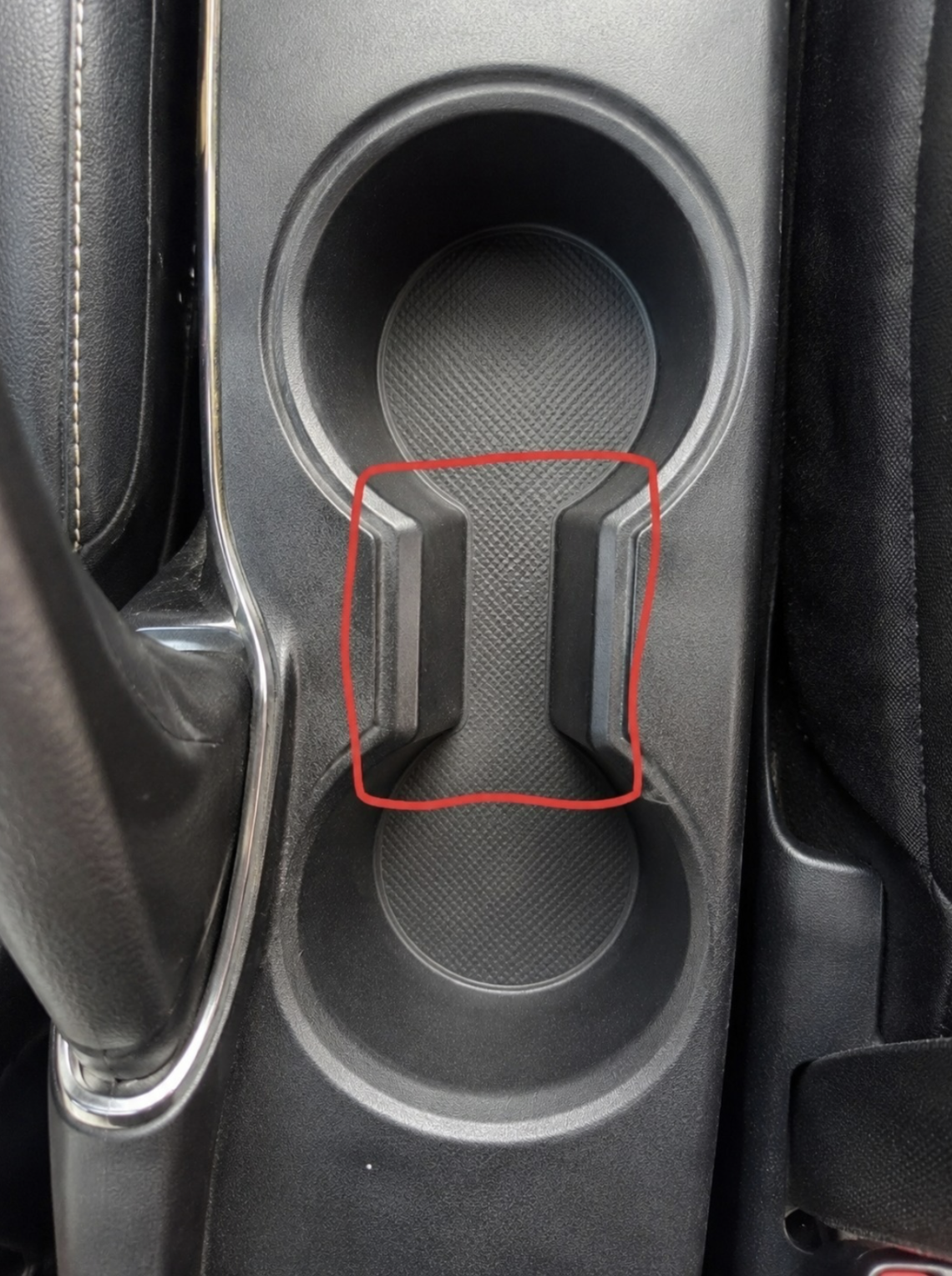
You look down at your car’s center console and see:
- two cup holders
- maybe a storage tray
- and then… a narrow, oddly shaped gap between them.
At first glance, it seems pointless.
Too small for a phone.
Too awkward for coins.
Too narrow for most drinks.
So what exactly is it for?
As it turns out, that “weird gap” often has a very intentional purpose—and depending on the vehicle, it may actually be one of the most overlooked practical design features in the entire interior.
Why Car Interiors Have So Many Odd Compartments
Modern car interiors are carefully engineered around:
- ergonomics
- safety
- movement
- storage efficiency
- accessibility while driving
Every inch of space matters.
Designers try to create storage areas that allow drivers to:
- reach items quickly
- avoid distractions
- secure objects during motion
- maximize limited cabin space
That means even tiny gaps are often designed with specific uses in mind.
The Most Common Purpose: Holding Handles or Narrow Objects
In many vehicles, the gap between cup holders is intended for:
- mug handles
- travel cup grips
- reusable bottle handles
Without this gap, large handled mugs would not sit properly inside the cup holder.
The slot gives extra room so:
- the cup sits flat
- the handle doesn’t press awkwardly
- the drink remains stable while driving
This is especially useful for:
- coffee mugs
- insulated tumblers
- travel thermoses.
Another Common Use: Phone Storage
In newer vehicles, the narrow slot may function as a:
- vertical phone holder
- temporary device slot
- charging area
Some are specifically shaped so a smartphone can stand upright between cup holders.
This helps:
- reduce sliding around
- improve visibility
- keep the phone within reach
Especially when connected to:
- charging cables
- navigation systems
- Bluetooth controls.
Coin and Key Storage
Some manufacturers intentionally design these gaps for small everyday items like:
- coins
- parking tokens
- key fobs
- cards
- receipts.
The narrow dimensions help prevent objects from:
- sliding too far
- rattling excessively
- getting lost under seats.
Why the Shape Feels So Strange
The shape often seems awkward because it’s designed around:
- multiple object types
- hand movement while driving
- limited console space
- spill prevention.
Unlike home furniture, car interiors must function during:
- acceleration
- braking
- turns
- vibrations
- sudden stops.
So compartments are shaped for stability, not aesthetics alone.
Cup Holders Are More Complicated Than They Look
Cup holders sound simple, but automotive engineers spend enormous time designing them.
They must accommodate:
- coffee cups
- soda cans
- water bottles
- reusable tumblers
- sports drinks
- different regional container sizes.
That weird gap often exists because one universal holder cannot perfectly fit every container type.
The extra space increases flexibility.
Why Some Cars Have Rubber Inserts There
If you notice:
- rubber lining
- textured material
- removable inserts
that’s usually intentional.
It helps:
- reduce rattling
- improve grip
- absorb vibration
- prevent spills.
Even tiny console features are engineered to reduce distracting movement while driving.
Some Gaps Are Actually Cable Management Channels
In newer vehicles, the slot may help route:
- USB charging cables
- auxiliary cords
- smartphone connectors.
Without cable-routing spaces:
- wires would drape awkwardly
- phones would slide around
- drinks could interfere with charging cables.
So the gap helps organize the console area.
Hidden Ergonomics: One-Handed Use
A major principle in car design is minimizing driver distraction.
That means storage areas are often designed so you can:
- reach items by touch
- identify spaces without looking
- grab objects one-handed.
The gap between cup holders may help drivers:
- separate objects by feel
- quickly place items while focusing on the road.
Why These Small Design Details Fascinate People
Tiny unexplained features attract attention because:
- people use them daily without understanding them
- they seem oddly specific
- they hint at hidden engineering decisions.
Once someone explains the purpose, the reaction is often:
“Ohhh… that actually makes sense.”
Not Every Car Uses the Gap the Same Way
Important detail:
there is no single universal purpose across all vehicles.
Depending on the manufacturer, the gap may be designed for:
- mug handles
- phones
- change
- keys
- charging cables
- removable dividers
- grip stabilization.
Automakers customize center console layouts differently.
Why Older Cars Often Didn’t Have These Features
Older vehicles were built before:
- oversized travel mugs
- smartphones
- portable chargers
- giant insulated bottles became common.
Modern lifestyles changed interior design dramatically.
Today’s vehicles are expected to support:
- mobile devices
- coffee culture
- commuting convenience
- constant connectivity.
That’s why console layouts became more specialized.
Tiny Features Reflect Bigger Design Philosophy
Something as small as a cup holder gap actually reflects a broader reality:
Modern cars are designed around human habits.
Engineers study:
- where drivers place phones
- how drinks spill
- how hands move
- how objects slide during turns
- how people multitask inside vehicles.
The “weird gap” is part of that invisible problem-solving process.

Welcome to my kitchen!
I’m a passionate home cook and recipe creator who loves turning simple ingredients into delicious, comforting meals that everyone can enjoy. Through this website, I share carefully prepared recipes, practical cooking tips, and easy-to-understand food education to help you feel more confident in the kitchen.
My goal is to make cooking simple, enjoyable, and accessible. Whether you are looking for a quick family dinner, a delicious dessert, healthy meal ideas, or traditional recipes with a modern touch, you’ll find inspiration here.
More Than Just Recipes
I believe that cooking is also a way to learn. That’s why this website is not only about recipes. I also create educational articles about ingredients, cooking techniques, kitchen tips, food preparation, and the stories behind different dishes.
Each article is designed to give you useful knowledge that you can apply in your own kitchen. From understanding how ingredients work together to learning better cooking methods, my aim is to help you become a more confident and creative cook.
My Philosophy
Good food doesn’t always require complicated ingredients or professional equipment. With a little knowledge, patience, and creativity, simple ingredients can become something truly special.
I believe in sharing recipes that are practical, clearly explained, and enjoyable to make. I also love exploring new flavors while appreciating traditional cooking and the recipes passed down through generations.
Thank you for visiting my kitchen and being part of this food-loving community. I hope my recipes and articles inspire you to cook, learn, experiment, and most importantly, enjoy every bite!
Happy cooking!