The Antique Horse Drencher and the Forgotten World of Early Equine Care
At first glance, it looks mysterious.
Part horse bit.
Part medical instrument.
Part mechanical tool from another era.
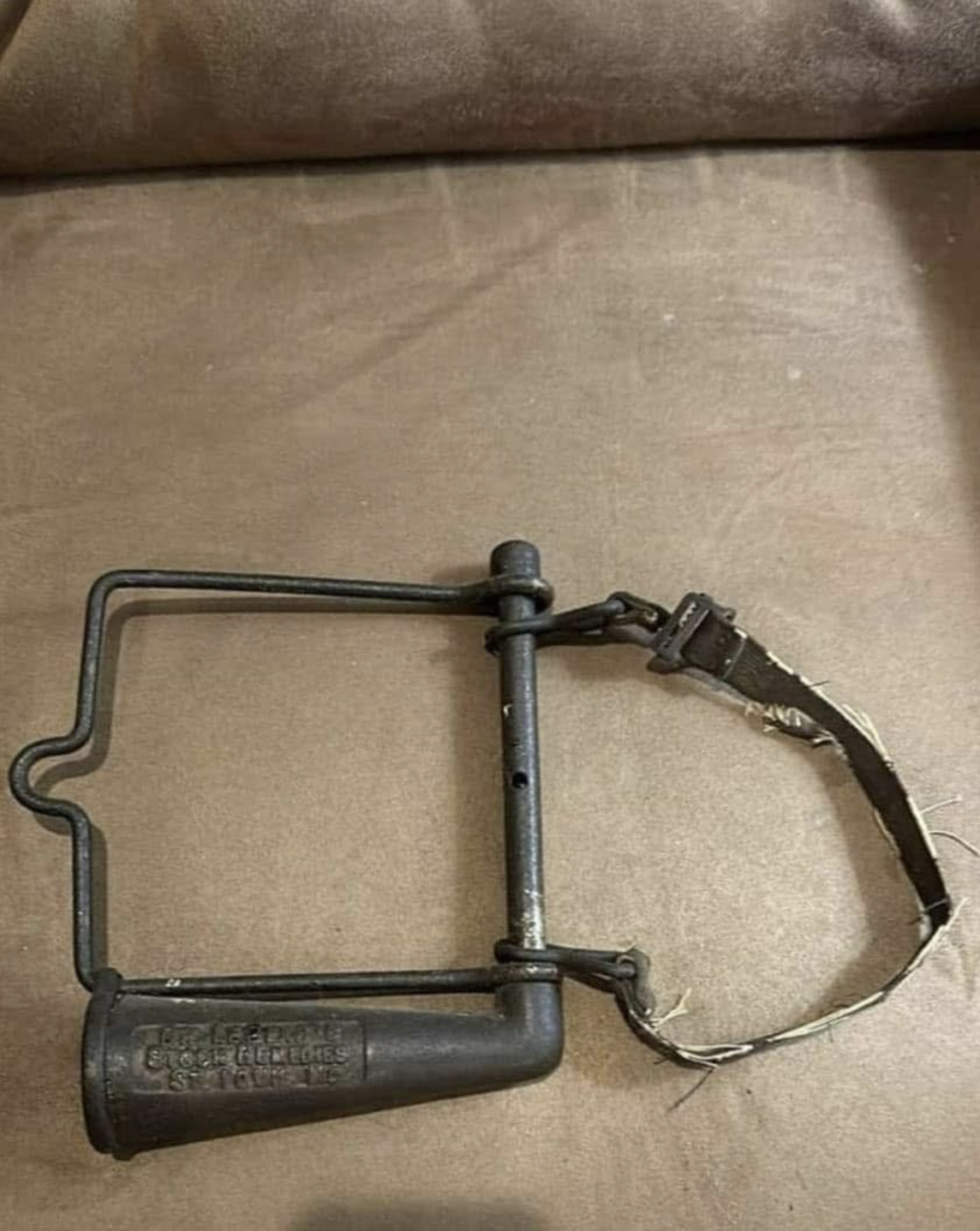
Made of brass or iron, often slightly curved, with a hollow tube and funnel-like opening, the antique horse drencher immediately sparks curiosity. People who discover one at antique fairs, barns, estate sales, or old farmhouses often assume it must have been:
- a strange riding device
- a feeding tool
- or even some kind of industrial instrument.
But in reality, it represents a fascinating chapter in the history of animal care.
This unusual object is known as a horse drenching bit or horse drencher, a tool once used to administer liquid medicine to horses before modern veterinary equipment became widely available.
What Exactly Is a Horse Drencher?
A horse drencher was a specialized veterinary tool designed to safely deliver liquids directly into a horse’s mouth.
These liquids could include:
- medicine
- herbal remedies
- oils
- tonics
- worming mixtures
- nutritional supplements.
The device helped handlers control the horse while pouring liquid into the mouth through a built-in hollow channel or tube.
Why Horses Needed Tools Like This
Giving medicine to a horse has never been easy.
Horses are:
- large
- powerful
- sensitive around the mouth
- capable of resisting force strongly.
Unlike modern syringes or flavored veterinary pastes, older medicines were often:
- bitter
- thick
- unpleasant-smelling.
A sick horse might refuse treatment completely.
The drencher was developed to solve this problem by helping farmers and veterinarians deliver liquids more safely and efficiently.
The Meaning of “Drenching”
In historical veterinary language, “drenching” referred to:
- administering liquid medication orally in relatively large amounts.
The term was commonly used for livestock including:
- horses
- cattle
- sheep.
A “drench” could contain:
- medicinal herbs
- alcohol-based mixtures
- oils
- minerals
- parasite treatments.
How the Antique Horse Drencher Worked
The design may look complicated, but the concept was surprisingly practical.
Step 1: The Bit Was Placed in the Horse’s Mouth
Like a riding bit, it rested between the horse’s teeth.
This helped:
- keep the mouth partially open
- stabilize the head
- reduce resistance.
Step 2: Liquid Was Poured Into the Funnel
The funnel-shaped opening allowed the handler to pour medicine into the hollow tube.
Step 3: The Liquid Traveled Through the Tube
The tube directed the liquid into the horse’s mouth more precisely.
This reduced:
- spilling
- wasted medicine
- risk of sudden head movement.
Why Brass Was Commonly Used
Many antique horse drenchers were made from brass because brass:
- resisted rust better than iron
- was durable
- was easier to clean
- tolerated moisture and medicinal liquids well.
Brass also became visually attractive over time, developing the warm aged patina collectors admire today.
A Tool From a Different Veterinary Era
Before modern veterinary science became standardized, animal care relied heavily on:
- practical farm knowledge
- local remedies
- traveling veterinarians
- blacksmiths with animal experience
- inherited techniques passed through generations.
Tools like the horse drencher belonged to a time when caring for animals required:
- physical skill
- improvisation
- mechanical ingenuity.
What Kinds of Treatments Were Given?
Historically, horses were drenched with mixtures intended to treat:
- digestive issues
- parasites
- fever
- weakness
- respiratory problems
- colic.
Some remedies were legitimate for the time.
Others were based more on tradition than science.
Common ingredients historically included:
- molasses
- herbal extracts
- linseed oil
- sulfur mixtures
- salts
- alcohol-based tonics.
Why the Design Looks So Strange Today
Modern veterinary tools are:
- smaller
- softer
- more specialized
- made from plastic or rubber.
The antique horse drencher reflects older engineering philosophy:
- heavy metal construction
- simple mechanical function
- durability over comfort.
To modern eyes, it can appear intimidating or even medieval.
But for its time, it was considered a practical innovation.
The Human Side of the Story
Many people who encounter these tools today feel a strange emotional connection to them.
Why?
Because objects like this represent:
- rural history
- working farms
- relationships between humans and animals
- forgotten craftsmanship
- pre-industrial problem solving.
A horse drencher is more than just a tool—it’s evidence of how deeply horses once shaped daily life.
Horses Once Powered Entire Economies
It’s easy to forget how essential horses were before automobiles and tractors.
Horses were used for:
- farming
- transportation
- hauling goods
- military service
- travel
- logging
- mail delivery.
Keeping a horse healthy was economically critical.
A sick horse could threaten:
- a farm’s productivity
- transportation
- family income.
That’s why veterinary tools mattered so much.
Why Collectors Love Antique Horse Drenchers
Today, antique horse drenchers are valued by:
- farm history collectors
- equestrian enthusiasts
- antique tool collectors
- rural museum curators.
People appreciate them for:
- unusual appearance
- historical importance
- craftsmanship
- connection to agricultural history.
Well-preserved brass examples are especially admired because of their beautiful aged finish.
Common Mistaken Identifications
People often mistake horse drenchers for:
- musical instruments
- steam tools
- feeding devices
- torture devices
- industrial nozzles
- unusual bridles.
The hollow tube confuses many modern viewers because its purpose isn’t immediately obvious.
The Shift to Modern Veterinary Medicine
As veterinary science advanced, horse drenchers gradually became obsolete.
They were replaced by:
- oral syringes
- safer dosing systems
- injectable medications
- modern parasite treatments
- flavored medicines easier for animals to tolerate.
Today, the antique drencher survives mostly as a historical artifact.

Welcome to my kitchen!
I’m a passionate home cook and recipe creator who loves turning simple ingredients into delicious, comforting meals that everyone can enjoy. Through this website, I share carefully prepared recipes, practical cooking tips, and easy-to-understand food education to help you feel more confident in the kitchen.
My goal is to make cooking simple, enjoyable, and accessible. Whether you are looking for a quick family dinner, a delicious dessert, healthy meal ideas, or traditional recipes with a modern touch, you’ll find inspiration here.
More Than Just Recipes
I believe that cooking is also a way to learn. That’s why this website is not only about recipes. I also create educational articles about ingredients, cooking techniques, kitchen tips, food preparation, and the stories behind different dishes.
Each article is designed to give you useful knowledge that you can apply in your own kitchen. From understanding how ingredients work together to learning better cooking methods, my aim is to help you become a more confident and creative cook.
My Philosophy
Good food doesn’t always require complicated ingredients or professional equipment. With a little knowledge, patience, and creativity, simple ingredients can become something truly special.
I believe in sharing recipes that are practical, clearly explained, and enjoyable to make. I also love exploring new flavors while appreciating traditional cooking and the recipes passed down through generations.
Thank you for visiting my kitchen and being part of this food-loving community. I hope my recipes and articles inspire you to cook, learn, experiment, and most importantly, enjoy every bite!
Happy cooking!