And Why It’s Not as Scary as It Looks
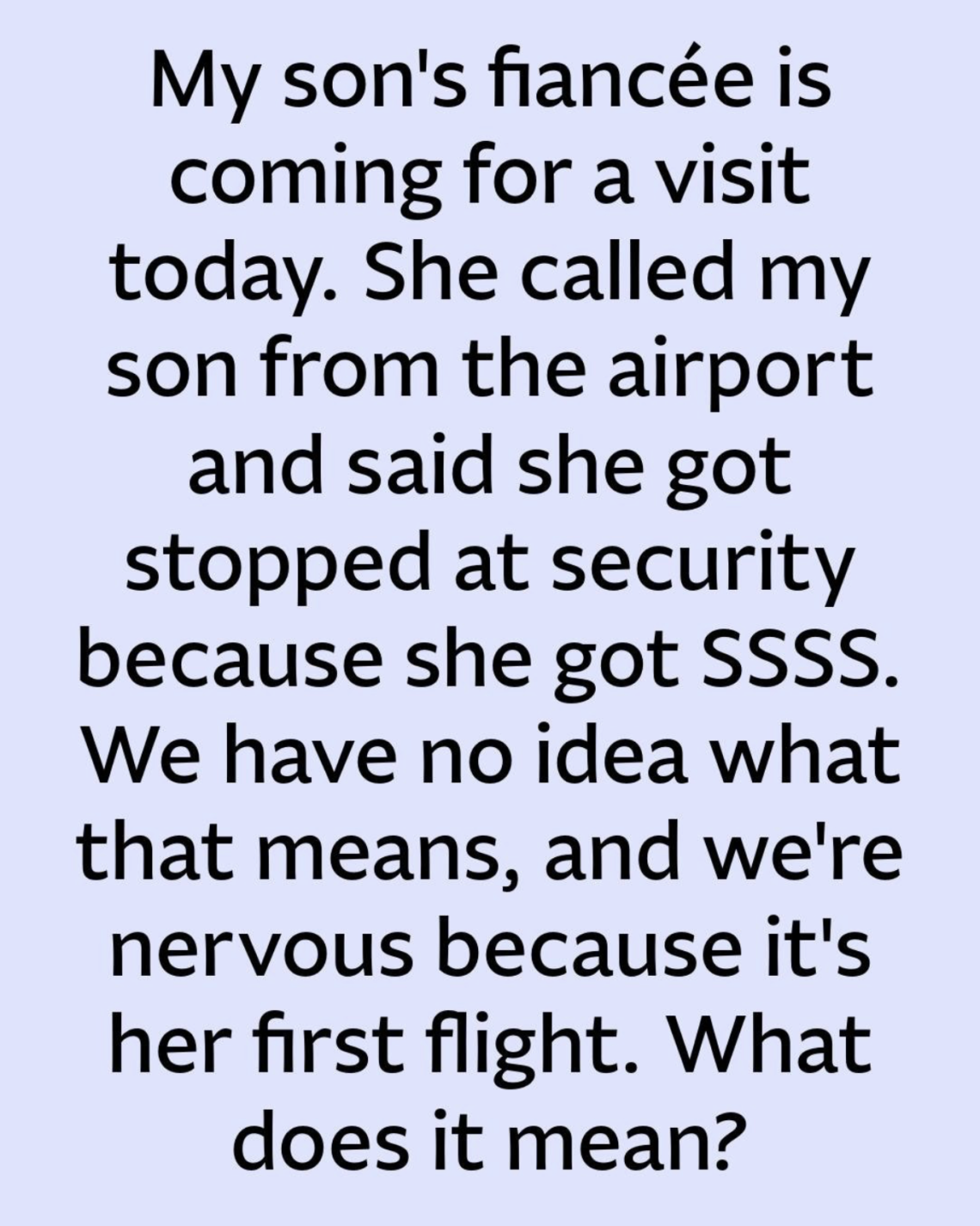
If you’ve ever checked in for a flight and noticed the letters “SSSS” printed on your boarding pass, it can feel a little alarming.
Four capital S’s.
No explanation.
No warning.
Just quietly stamped onto your ticket like some kind of secret code.
But despite how mysterious it looks, SSSS is not a punishment, accusation, or sign you’re in trouble.
It simply means:
Secondary Security Screening Selection
It’s part of airport security procedures used in the United States and sometimes seen on international itineraries connected to it.
What SSSS Actually Means
When “SSSS” appears on your boarding pass, it indicates that you’ve been selected for additional security screening before boarding your flight.
Instead of going through the standard process only, you’ll receive a more detailed check.
This may include:
- extra questioning
- additional baggage inspection
- swab tests for explosives residue
- manual review of documents
- more thorough scanning at the gate
It is simply a risk-based security measure, not a personal accusation.
Why You Might Get Selected
The exact algorithm used by aviation security systems is not publicly disclosed, but passengers can be selected for several general reasons.
1. Random Selection
Sometimes, it is completely random.
Airports deliberately include randomness to keep security systems unpredictable.
So yes—sometimes it just happens by chance.
2. One-Way or Unusual Travel Patterns
Certain travel patterns may trigger additional screening, such as:
- frequent international travel
- one-way tickets
- last-minute bookings
- complex itineraries
These patterns are not suspicious by themselves, but they may receive extra attention.
3. Name Matching or Flagging
If your name is similar to someone on a watch list, even if you are not that person, you may be flagged for extra checks.
This is called:
“name-based screening overlap”
It is a known limitation of large security databases.
4. Payment or Booking Irregularities
Sometimes tickets purchased in unusual ways (for example, cash purchases or mismatched billing information) can trigger screening.
5. Travel History Factors
In some cases, travel to certain regions or frequent border crossings may increase the chance of selection.
What Happens If You Get SSSS
If your boarding pass is marked with SSSS, here is what you can expect:
Step 1: Extra Check-in Screening
You may be asked additional questions such as:
- where you are traveling
- purpose of your trip
- length of stay
Step 2: Bag Inspection
Your carry-on luggage may be:
- opened and manually inspected
- swabbed for trace explosives
- scanned more carefully
Step 3: Enhanced Gate Screening
At the boarding gate, you may experience:
- pat-down (in some cases)
- secondary scanning
- document verification again
Step 4: Slight Delay
You might be called early to the gate area so security can complete checks before boarding begins.
Is SSSS Dangerous or Bad?
No.
This is the most important point.
SSSS is:
- not a criminal flag
- not a ban on travel
- not an indication of wrongdoing
- not permanent
It is simply part of enhanced aviation security procedures.
Millions of passengers are selected every year.
Most people who receive it:
- travel normally
- board their flight without issues
- never get it again
How Long Does It Last?
SSSS is not a permanent label.
It may appear:
- once in a lifetime
- occasionally on certain trips
- or repeatedly for some travelers depending on screening systems
It can change based on:
- updated security databases
- travel patterns
- random selection algorithms
What You Should Do If You See SSSS
If you notice it on your boarding pass:
1. Stay calm
It is routine, not an emergency.
2. Arrive early
Give yourself extra time for screening.
3. Cooperate normally
Answer questions clearly and honestly.
4. Keep documents organized
Have passport, visa, and ticket ready.
5. Be patient
The process may take a few extra minutes.
Common Misunderstandings
Many people assume SSSS means:
❌ “You’re in trouble”
❌ “You’re being investigated”
❌ “You’re on a watch list”
❌ “Your travel is restricted”
In reality:
✔ It is a screening flag, not a punishment
✔ It is often random
✔ It does not prevent travel
✔ It is temporary
Why Airports Use It
Modern aviation security systems aim to balance:
- safety
- efficiency
- passenger flow
Instead of checking everyone equally in extreme detail, systems use:
- risk-based screening
- behavioral analysis
- random checks
SSSS is part of that layered approach.
Welcome to my kitchen!
I’m a passionate home cook and recipe creator who loves turning simple ingredients into delicious, comforting meals that everyone can enjoy. Through this website, I share carefully prepared recipes, practical cooking tips, and easy-to-understand food education to help you feel more confident in the kitchen.
My goal is to make cooking simple, enjoyable, and accessible. Whether you are looking for a quick family dinner, a delicious dessert, healthy meal ideas, or traditional recipes with a modern touch, you’ll find inspiration here.
More Than Just Recipes
I believe that cooking is also a way to learn. That’s why this website is not only about recipes. I also create educational articles about ingredients, cooking techniques, kitchen tips, food preparation, and the stories behind different dishes.
Each article is designed to give you useful knowledge that you can apply in your own kitchen. From understanding how ingredients work together to learning better cooking methods, my aim is to help you become a more confident and creative cook.
My Philosophy
Good food doesn’t always require complicated ingredients or professional equipment. With a little knowledge, patience, and creativity, simple ingredients can become something truly special.
I believe in sharing recipes that are practical, clearly explained, and enjoyable to make. I also love exploring new flavors while appreciating traditional cooking and the recipes passed down through generations.
Thank you for visiting my kitchen and being part of this food-loving community. I hope my recipes and articles inspire you to cook, learn, experiment, and most importantly, enjoy every bite!
Happy cooking!