Simple, Science-Backed Care Tips for Nonstop Flowers
Geraniums—more accurately called pelargoniums—are among the most rewarding flowering plants you can grow. They’re tough, colorful, and surprisingly generous with blooms when their basic needs are met.
But here’s the secret most people miss:
Geraniums don’t need “more care”—they need the right kind of care.
With a few consistent habits, you can turn a normal plant into a long-blooming machine that keeps producing flowers for months on end.
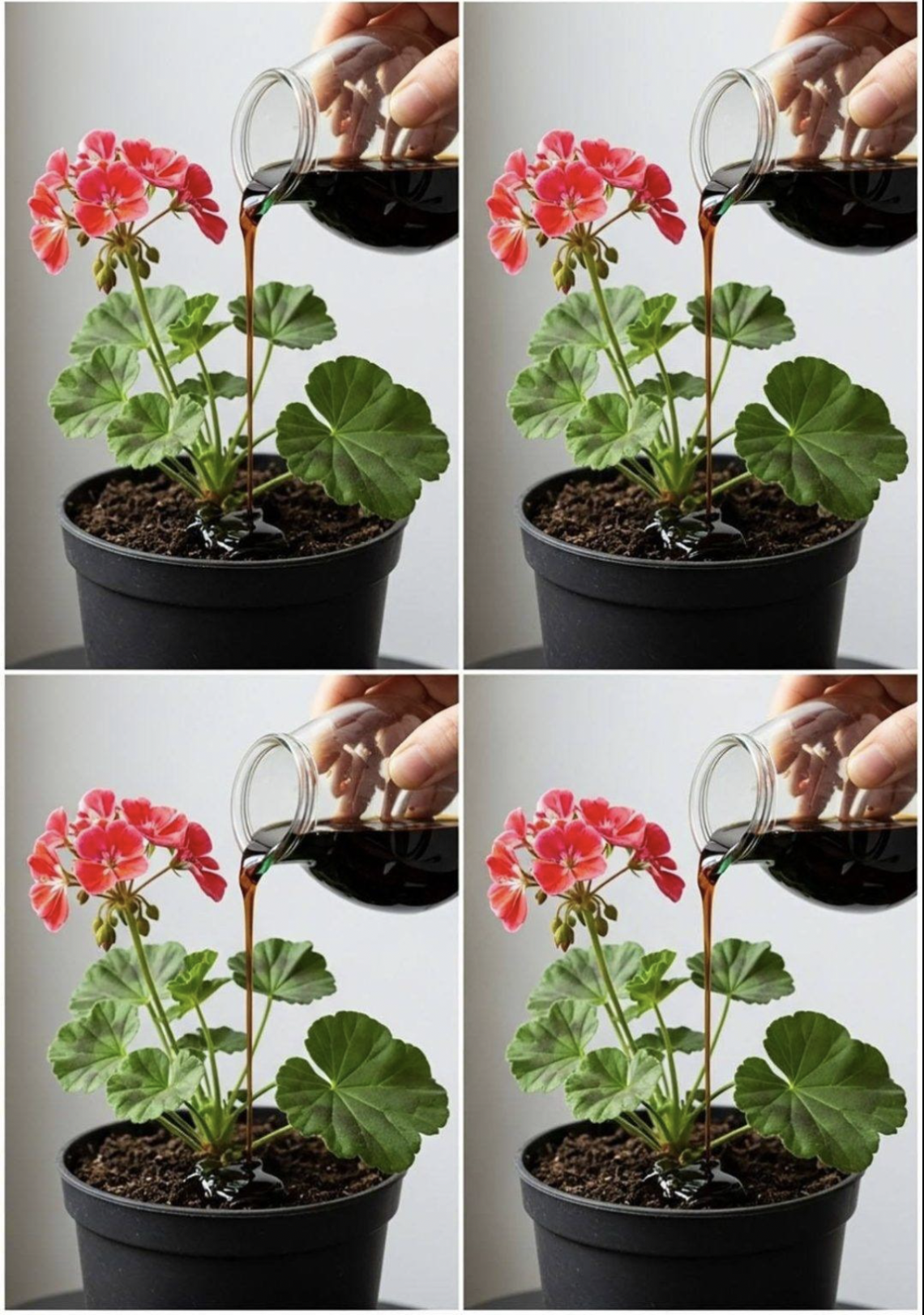
1. Give Them Full Sun (This Is Non-Negotiable)
Geraniums are sun-loving plants.
For best flowering, they need:
- at least 5–6 hours of direct sunlight daily
- bright, open exposure (balconies, patios, sunny windows)
Why sun matters
Sunlight drives:
- bud formation
- flower production
- compact growth
- strong stems
Without enough light, the plant will:
- grow tall and weak
- produce fewer flowers
- focus on leaves instead of blooms
If you want constant flowering, sunlight is your first priority.
2. Don’t Overwater (Most People Kill Geraniums This Way)
Geraniums prefer slightly dry conditions between waterings.
The golden rule:
Water only when the top 2–3 cm of soil feels dry.
Too much water leads to:
- root rot
- fewer flowers
- soft, weak growth
- yellowing leaves
Best practice:
- water deeply
- let excess drain fully
- never leave the pot sitting in water
Geraniums actually bloom better when they experience mild “dry stress” between waterings.
3. Use Light, Well-Draining Soil
Soil is the foundation of continuous blooming.
Geraniums prefer:
- loose potting mix
- good drainage
- moderate fertility
Ideal mix:
- potting soil
- perlite or sand
- a small amount of compost
Avoid heavy, compact soil because it:
- holds too much water
- suffocates roots
- reduces flowering
4. Deadhead Flowers Regularly (This Is the Bloom Trigger)
One of the most powerful tricks is also the simplest:
Remove spent flowers immediately.
This process is called deadheading.
Why it works:
When old flowers remain, the plant:
- starts producing seeds
- reduces new flower production
When you remove them:
- the plant thinks it must keep reproducing
- it produces more buds
How to do it:
- pinch or cut the flower stem just above a leaf node
- do it every few days during peak blooming
This alone can dramatically increase flowering duration.
5. Feed Them the Right Fertilizer
Geraniums are not heavy feeders, but they do respond well to regular nutrition.
Best fertilizer type:
- balanced liquid fertilizer
- or slightly higher potassium formula (for flowers)
Feeding schedule:
- every 2–3 weeks during growing season
What nutrients do:
- nitrogen → leaf growth
- phosphorus → root and flower development
- potassium → stronger, longer-lasting blooms
Too much nitrogen = lots of leaves, fewer flowers.
6. Prune to Encourage More Branching
Geraniums bloom from new growth.
If the plant becomes:
- leggy
- tall
- sparse
It will produce fewer flowers.
Simple pruning method:
- cut stems just above a leaf node
- trim long, weak shoots
- shape the plant regularly
This encourages:
- more branches
- more flowering tips
- bushier growth
More tips = more flowers.
7. Keep the Plant Slightly Root-Bound (Yes, Really)
Unlike many plants, geraniums often bloom better when slightly cramped in their pots.
Why:
When roots fill the container:
- plant reduces leafy growth
- energy shifts to flowering
Signs it’s perfect:
- roots visible near drainage holes
- plant still healthy and blooming
Only repot when growth clearly slows.
8. Protect From Extreme Heat or Cold
Geraniums are resilient, but extremes affect flowering.
Too hot:
- flowers fade quickly
- buds drop
Too cold:
- growth slows
- blooming pauses
Ideal range:
- moderate warmth with good airflow
9. Remove Yellow or Weak Leaves
Healthy plants bloom better.
Regularly remove:
- yellow leaves
- damaged stems
- weak growth
This helps:
- improve airflow
- reduce disease risk
- redirect energy to flowers
10. Give Them Fresh Air and Space
Good airflow prevents:
- fungal problems
- pest buildup
- humidity stress
Crowded plants tend to bloom less.
Bonus Trick: “Bloom Reset” Pruning
If your geranium stops flowering completely:
- Cut it back by about one-third
- Remove old flowers and stems
- Feed lightly
- Place in bright sun
Within a few weeks, new growth usually explodes with flowers.
Why Geraniums Respond So Well to This Care
Geraniums are naturally programmed to:
- survive dry conditions
- respond to stress with reproduction
- produce flowers when well-maintained but not overindulged
In simple terms:
They bloom best when you don’t overprotect them.
Common Mistakes That Stop Flowering
Avoid these:
- overwatering
- too much shade
- heavy fertilizing (especially nitrogen-rich)
- not removing old flowers
- letting plants become too leggy
Welcome to my kitchen!
I’m a passionate home cook and recipe creator who loves turning simple ingredients into delicious, comforting meals that everyone can enjoy. Through this website, I share carefully prepared recipes, practical cooking tips, and easy-to-understand food education to help you feel more confident in the kitchen.
My goal is to make cooking simple, enjoyable, and accessible. Whether you are looking for a quick family dinner, a delicious dessert, healthy meal ideas, or traditional recipes with a modern touch, you’ll find inspiration here.
More Than Just Recipes
I believe that cooking is also a way to learn. That’s why this website is not only about recipes. I also create educational articles about ingredients, cooking techniques, kitchen tips, food preparation, and the stories behind different dishes.
Each article is designed to give you useful knowledge that you can apply in your own kitchen. From understanding how ingredients work together to learning better cooking methods, my aim is to help you become a more confident and creative cook.
My Philosophy
Good food doesn’t always require complicated ingredients or professional equipment. With a little knowledge, patience, and creativity, simple ingredients can become something truly special.
I believe in sharing recipes that are practical, clearly explained, and enjoyable to make. I also love exploring new flavors while appreciating traditional cooking and the recipes passed down through generations.
Thank you for visiting my kitchen and being part of this food-loving community. I hope my recipes and articles inspire you to cook, learn, experiment, and most importantly, enjoy every bite!
Happy cooking!