What They Are, Why They Form, and What You Should Know About Them
Tonsil stones are one of those small health issues that can feel surprisingly frustrating compared to their size. Many people don’t even know they exist until they suddenly notice a strange sensation in the back of the throat, a persistent bad breath that doesn’t go away, or a small white or yellowish lump that appears when coughing or checking the tonsils in a mirror.
Medically, tonsil stones are known as:
- tonsilloliths
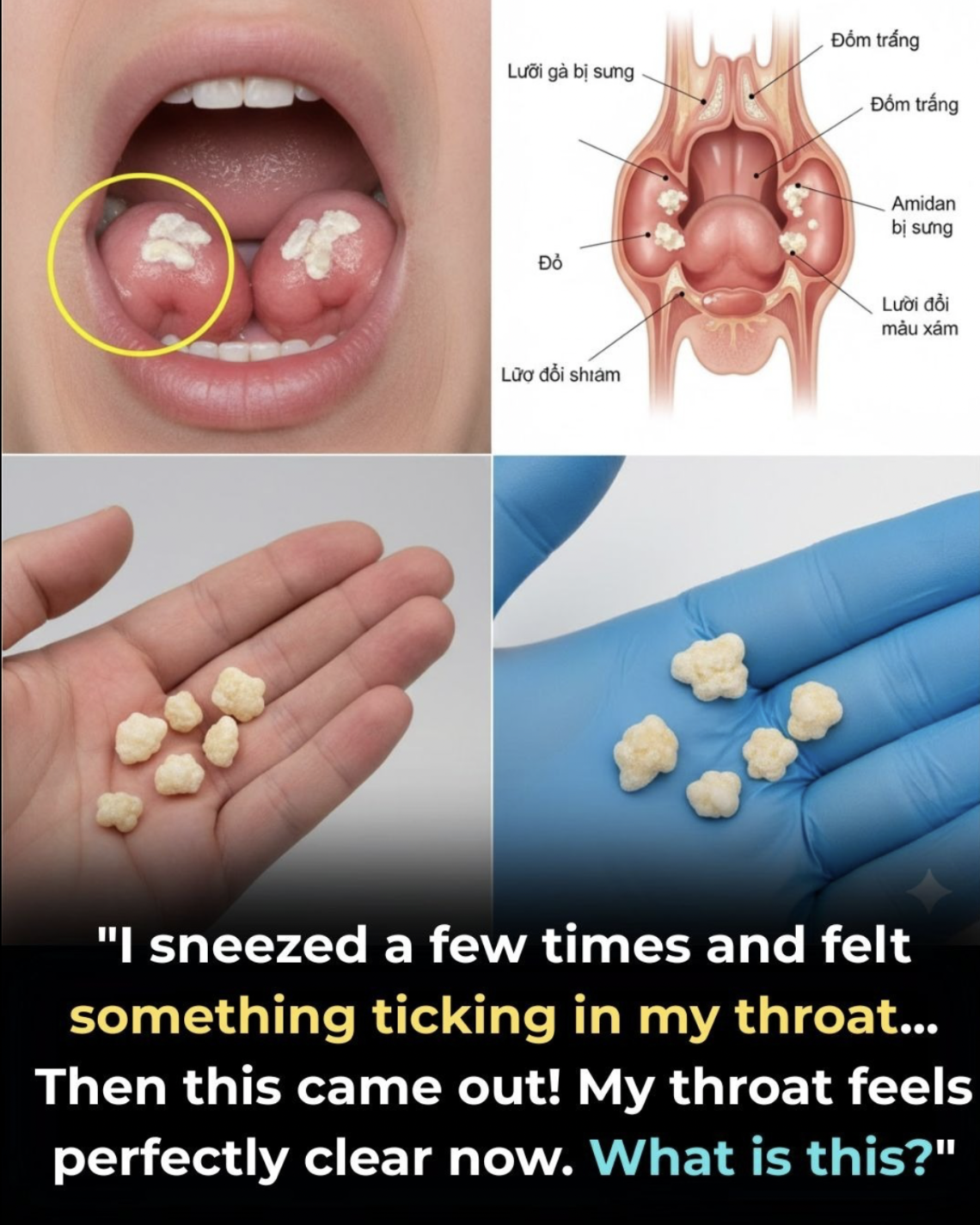
They are small calcified formations that develop in the crevices of the tonsils.
Even though they are generally not dangerous, they can cause discomfort, embarrassment, and confusion—especially for people encountering them for the first time.
Understanding why they form and how they behave can make them far less alarming.
What Exactly Are Tonsil Stones?
Tonsils are soft tissue structures located at the back of the throat. Their surface is not smooth; instead, they contain natural folds, pockets, and crevices called:
- tonsillar crypts
These crypts can trap debris over time.
Tonsil stones form when trapped material gradually hardens and calcifies.
They are typically made of:
- Food particles
- Dead cells
- Mucus
- Bacteria
- Mineral deposits like calcium
Over time, this mixture becomes compacted and solidifies into small stones.
Why Do Tonsil Stones Form?
Tonsil stones develop due to a combination of biological and environmental factors.
The main contributors include:
1. Tonsil Anatomy
Some people naturally have:
- deeper tonsillar crypts
- more irregular tonsil surfaces
This makes it easier for debris to become trapped.
People with smoother tonsils may never develop stones at all.
2. Bacterial Growth
The mouth naturally contains bacteria.
When trapped in tonsil crypts, bacteria can:
- multiply
- break down debris
- produce sulfur compounds
This contributes to both stone formation and bad breath.
3. Poor Oral Hygiene (or Incomplete Cleaning)
Even with regular brushing, some areas in the mouth are harder to clean, such as:
- back of the tongue
- tonsil area
- gum pockets
If debris accumulates, it can contribute to stone formation.
However, tonsil stones can still occur even in people with good hygiene.
4. Chronic Post-Nasal Drip
Mucus from:
- allergies
- sinus infections
- colds
can drip down the throat and become trapped in the tonsils.
This increases material buildup.
5. Dry Mouth
Saliva helps:
- wash away bacteria
- clean debris naturally
When saliva production is reduced, debris accumulates more easily.
Causes of dry mouth include:
- dehydration
- mouth breathing
- certain medications
What Do Tonsil Stones Feel Like?
Many people don’t realize they have tonsil stones until symptoms appear.
Common sensations include:
- feeling like something is stuck in the throat
- mild irritation
- difficulty swallowing small amounts of food
- a “scratchy” feeling at the back of the mouth
Some stones are too small to feel at all.
Why Bad Breath Is the Most Common Symptom
One of the biggest complaints associated with tonsil stones is persistent bad breath, also known as:
- halitosis
This happens because bacteria inside the stones produce sulfur compounds, which have a strong unpleasant odor.
Even with brushing and mouthwash, the smell may persist because the bacteria are embedded inside the tonsil crypts.
What Tonsil Stones Look Like
Tonsil stones can vary in appearance depending on size and composition.
They may look like:
- tiny white specks
- yellowish clumps
- small grain-like formations
- larger hardened lumps
Some are barely visible, while others are noticeable stuck in the tonsil surface.
Are Tonsil Stones Dangerous?
In most cases, tonsil stones are:
- harmless
- non-cancerous
- not contagious
However, they can cause discomfort and recurrent irritation.
They usually do not require emergency treatment.
Why They Can Feel So Annoying
Even though they are small, tonsil stones can feel disproportionately irritating because they affect a sensitive area: the throat.
They may interfere with:
- swallowing comfort
- breath freshness
- throat sensation
This constant awareness can make them feel more bothersome than they physically are.
How Tonsil Stones Are Removed Naturally
Small tonsil stones often dislodge on their own through:
- coughing
- swallowing
- eating hard foods
- natural movement of throat muscles
Some people notice them coming out without any intervention.
Common Safe Removal Methods
If removal is needed, gentle approaches include:
1. Gargling Salt Water
Warm salt water can help:
- loosen debris
- reduce bacteria
- soothe irritation
This is one of the simplest home methods.
2. Strong Gargling
Vigorous gargling with water may help dislodge smaller stones.
3. Coughing
A strong cough can sometimes push stones out naturally.
4. Oral Irrigation Devices (Low Pressure Only)
Some people use gentle water irrigators to flush tonsil crypts.
However, pressure must be very low to avoid injury.
What You Should Avoid
Certain methods can be harmful if done incorrectly:
- sharp objects
- excessive force
- deep probing of tonsils
The tonsil area is delicate and can bleed easily.
Why Tonsil Stones Keep Coming Back
For many people, tonsil stones are a recurring issue because:
- tonsil anatomy remains the same
- bacteria remain present in the mouth
- debris continues to accumulate
This is why some individuals experience them repeatedly.
Prevention Strategies
While tonsil stones cannot always be completely prevented, their frequency may be reduced by:
1. Good Oral Hygiene
Including:
- brushing twice daily
- flossing
- cleaning the tongue
2. Hydration
Drinking enough water helps:
- increase saliva flow
- reduce dryness
- wash away debris
3. Gargling Regularly
Saltwater or antiseptic rinses may help reduce bacterial buildup.
4. Managing Post-Nasal Drip
Treating allergies or sinus issues may reduce mucus accumulation.
5. Avoiding Mouth Dryness
Reducing mouth breathing (when possible) may help maintain moisture in the throat.
When to See a Doctor
Although tonsil stones are usually harmless, medical advice may be needed if:
- they are large or persistent
- they cause significant pain
- there is repeated infection or swelling
- swallowing becomes difficult
- bad breath does not improve despite good hygiene
In rare cases, a doctor may recommend procedures or tonsil removal if problems are severe and recurring.
Can Tonsil Stones Be Permanent?
Tonsil stones themselves are not permanent structures, but the tendency to develop them can be long-term depending on tonsil anatomy.
Some people experience them occasionally, while others deal with them regularly.
Tonsil Stones vs Tonsillitis
It is important not to confuse tonsil stones with tonsillitis.
Tonsil stones:
- solid debris
- usually painless or mildly irritating
- not an infection
Tonsillitis:
- inflammation or infection of tonsils
- causes pain, fever, swelling
- may require medical treatment
Why They Became More Well-Known Online
Tonsil stones gained popularity in online discussions because:
- they are visually surprising
- many people didn’t know they existed
- videos of removal became viral
This led to increased awareness but also confusion and unnecessary anxiety in some cases.

Welcome to my kitchen!
I’m a passionate home cook and recipe creator who loves turning simple ingredients into delicious, comforting meals that everyone can enjoy. Through this website, I share carefully prepared recipes, practical cooking tips, and easy-to-understand food education to help you feel more confident in the kitchen.
My goal is to make cooking simple, enjoyable, and accessible. Whether you are looking for a quick family dinner, a delicious dessert, healthy meal ideas, or traditional recipes with a modern touch, you’ll find inspiration here.
More Than Just Recipes
I believe that cooking is also a way to learn. That’s why this website is not only about recipes. I also create educational articles about ingredients, cooking techniques, kitchen tips, food preparation, and the stories behind different dishes.
Each article is designed to give you useful knowledge that you can apply in your own kitchen. From understanding how ingredients work together to learning better cooking methods, my aim is to help you become a more confident and creative cook.
My Philosophy
Good food doesn’t always require complicated ingredients or professional equipment. With a little knowledge, patience, and creativity, simple ingredients can become something truly special.
I believe in sharing recipes that are practical, clearly explained, and enjoyable to make. I also love exploring new flavors while appreciating traditional cooking and the recipes passed down through generations.
Thank you for visiting my kitchen and being part of this food-loving community. I hope my recipes and articles inspire you to cook, learn, experiment, and most importantly, enjoy every bite!
Happy cooking!