How One Simple Jar Became a Modern Wellness Staple
There is something deeply satisfying about recipes that feel both effortless and nourishing at the same time. In a world full of complicated health trends, expensive powders, and highly marketed “superfoods,” some of the most enduring wellness recipes are surprisingly simple. Vanilla Chia Seed Pudding is one of those rare dishes that manages to sit comfortably between:
- Healthy and comforting
- Practical and luxurious
- Minimalist and deeply satisfying
At first glance, it almost seems too simple to deserve the attention it receives. After all, the recipe often contains only a handful of ingredients:
- Chia seeds
- Milk or plant milk
- Vanilla
- Sweetener
- A pinch of salt
No baking.
No stovetop.
No complicated equipment.
No culinary training required.
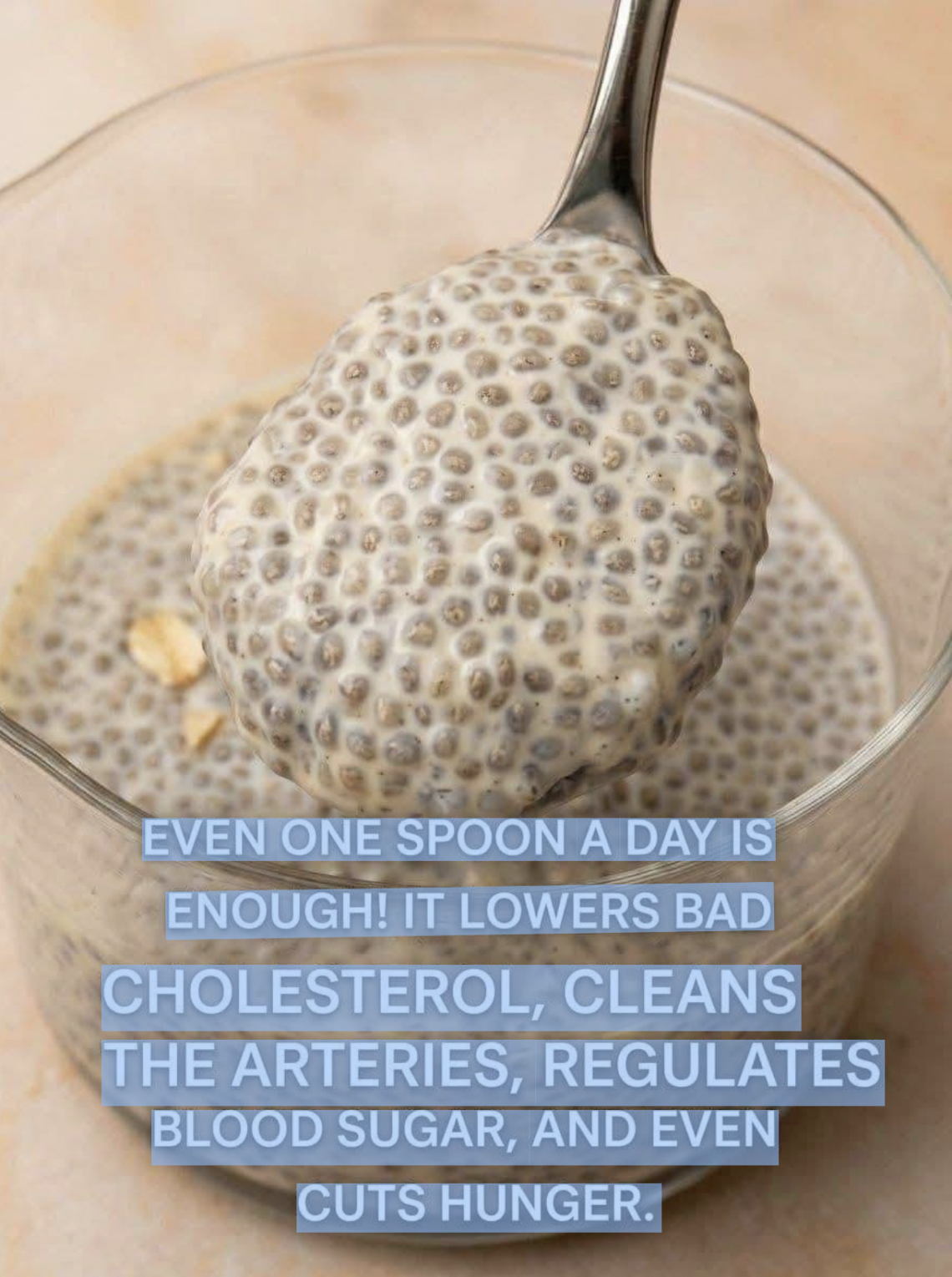
And yet, after a few quiet hours in the refrigerator, those humble ingredients transform completely. Tiny chia seeds swell into a rich pudding-like texture that feels creamy, cool, and indulgent despite being built almost entirely from whole-food pantry staples.
That transformation is part science, part tradition, and part culinary magic.
But beyond its pleasant texture and elegant simplicity, chia pudding has gained enormous popularity because it also delivers an impressive nutritional profile. Rich in fiber, omega-3 fatty acids, minerals, and plant compounds, it has become a favorite among people seeking:
- Convenient breakfasts
- Healthy snacks
- Light desserts
- Make-ahead meals
- Nutrient-dense comfort foods
The modern wellness world may label it a “superfood pudding,” but at its core, chia pudding succeeds because it solves a timeless human desire:
food that feels comforting while also supporting long-term health.
The Ancient Origins of Chia Seeds
Long before chia seeds appeared in trendy wellness cafés and meal-prep jars, they were valued by ancient civilizations for their remarkable nutritional density.
Chia seeds come from:
- Salvia hispanica
a flowering plant native to Central America.
For centuries, chia seeds were consumed by:
- Aztecs
- Mayans
- Indigenous cultures of Central America
They were prized because they provided:
- Sustained energy
- Long shelf life
- Easy portability
- Nutritional resilience during travel and labor
In fact, the word “chia” is often associated with strength in historical interpretations of indigenous languages.
Why Chia Seeds Behave So Uniquely
The defining characteristic of chia seeds is their ability to absorb enormous amounts of liquid.
When soaked, the outer layer develops a gel-like coating.
This happens because chia seeds contain:
- Soluble fiber
- Mucilage-forming compounds
These compounds absorb water and expand dramatically.
The Science Behind the Texture
Each tiny seed acts almost like a miniature sponge.
As the seeds hydrate:
- Liquid thickens
- Texture becomes creamy
- The mixture stabilizes naturally
This creates pudding without:
- Eggs
- Cornstarch
- Gelatin
- Cooking
It is a naturally occurring thickening process.
Why Vanilla Works So Well
Vanilla plays an important role in balancing chia pudding’s flavor profile.
Without flavoring, chia pudding can taste:
- Mild
- Earthy
- Neutral
Vanilla adds:
- Warmth
- Sweet aromatic depth
- Dessert-like comfort
It transforms the pudding from purely functional nutrition into something genuinely enjoyable.
The Beauty of Minimal Ingredients
One reason chia pudding has become so beloved is because it proves an important culinary truth:
Simplicity can feel luxurious when ingredients are balanced thoughtfully.
Unlike heavily processed desserts, chia pudding relies on:
- Texture
- Natural flavor
- Gentle sweetness
- Creaminess
rather than excessive sugar or artificial richness.
Basic Vanilla Chia Seed Pudding Recipe
Ingredients
- 1/4 cup chia seeds
- 1 cup milk or plant milk
- 1–2 teaspoons vanilla extract
- 1–2 tablespoons honey, maple syrup, or sweetener of choice
- Small pinch of salt
Optional toppings:
- Fresh fruit
- Nuts
- Coconut flakes
- Cinnamon
- Yogurt
- Dark chocolate shavings
Step-by-Step Instructions
Step 1: Combine Ingredients
In a jar or bowl, combine:
- Milk
- Vanilla
- Sweetener
- Salt
Stir thoroughly.
Step 2: Add Chia Seeds
Sprinkle chia seeds evenly into the liquid.
Whisk or stir immediately to prevent clumping.
Why Stirring Matters
If chia seeds settle together early, they can form:
- Sticky clusters
- Uneven texture
A second stir after 5–10 minutes helps distribute the seeds evenly.
Step 3: Refrigerate
Cover and refrigerate for:
- At least 4 hours
or ideally - Overnight
During this time, the pudding thickens naturally.
The Overnight Transformation
By morning, the mixture changes dramatically:
- Liquid becomes creamy
- Seeds soften
- Texture thickens into pudding consistency
This gradual transformation is one reason chia pudding feels almost magical despite its simplicity.
The Nutritional Power of Chia Seeds
Chia seeds are small, but nutritionally dense.
They contain:
- Fiber
- Plant-based omega-3 fatty acids
- Protein
- Calcium
- Magnesium
- Phosphorus
- Antioxidants
1. Fiber and Digestive Support
Chia seeds are especially rich in fiber.
Fiber supports:
- Digestive regularity
- Satiety
- Gut health
- Stable digestion
Many people do not consume enough fiber daily, making fiber-rich foods valuable additions to balanced diets.
Why Chia Feels Filling
When chia seeds absorb liquid, they expand significantly.
This increased volume contributes to feelings of fullness and satisfaction.
As a result, chia pudding can feel surprisingly substantial despite moderate calories.
2. Omega-3 Fatty Acids
Chia seeds are among the richest plant-based sources of:
- Alpha-linolenic acid (ALA)
a type of omega-3 fatty acid.
Omega-3s are associated with supporting:
- Heart health
- Cellular function
- Inflammation balance
3. Blood Sugar and Energy Stability
Because chia pudding combines:
- Fiber
- Fat
- Protein
it may help provide slower, steadier energy compared to highly refined sugary breakfasts.
This is one reason many people feel satisfied longer after eating it.
4. Hydration Support
Chia seeds absorb significant amounts of water.
This gel-forming property contributes to hydration support as part of overall fluid intake.
5. Bone-Supporting Minerals
Chia seeds contain minerals involved in:
- Bone maintenance
- Muscle function
- Energy production
including:
- Calcium
- Magnesium
- Phosphorus
Why Chia Pudding Became So Popular
Its popularity exploded partly because it solves several modern lifestyle problems simultaneously.
It is:
- Quick to prepare
- Portable
- Meal-prep friendly
- Customizable
- Naturally gluten-free
- Easily made dairy-free
People with busy schedules appreciate recipes requiring minimal effort.
Endless Flavor Variations
Once the base recipe is mastered, variations become almost limitless.
Popular versions include:
- Chocolate chia pudding
- Coconut mango
- Cinnamon vanilla
- Berry almond
- Peanut butter banana
- Pumpkin spice
- Espresso chia pudding
Best Milks to Use
Different liquids create different textures and flavors.
Dairy milk:
- Rich and creamy
Almond milk:
- Light and nutty
Coconut milk:
- Extra rich and tropical
Oat milk:
- Naturally sweet and smooth
Sweeteners and Flavor Balance
Because chia seeds themselves are neutral, sweetener choice matters.
Common options include:
- Honey
- Maple syrup
- Agave
- Dates
- Brown sugar
- Stevia
The goal is usually gentle sweetness rather than overwhelming sugariness.
Texture Preferences
Some people love the tapioca-like texture immediately.
Others take time adjusting to the seed consistency.
Blending the pudding creates a smoother mousse-like texture for those who dislike visible seeds.
Chia Pudding as Breakfast
One reason chia pudding works well in the morning is because it can be prepared ahead of time.
Busy mornings become easier when breakfast already waits in the refrigerator.
Chia Pudding as Dessert
Despite its nutritional reputation, chia pudding also functions beautifully as dessert.
Served chilled with:
- Vanilla
- Fruit
- Chocolate
- Coconut
it feels indulgent without being excessively heavy.
Why Cold Desserts Feel Comforting
Cool creamy textures naturally create sensory comfort.
This is part of why puddings, custards, and chilled desserts remain universally loved across cultures.
Chia pudding taps into that same comforting experience while using much simpler ingredients.
Common Mistakes
Using too many seeds
Creates overly thick pudding.
Not stirring enough
Causes clumping.
Insufficient chilling time
Prevents full thickening.
Over-sweetening
Masks the subtle vanilla flavor.
Proper Storage
Chia pudding stores well for:
- 4–5 days refrigerated
This makes it excellent for:
- Meal prep
- Quick breakfasts
- Healthy snacks
Is Chia Pudding Really a “Superfood”?
The word “superfood” is mostly marketing language rather than a scientific category.
However, chia seeds genuinely are nutrient-dense foods.
The key is understanding:
- No single food creates perfect health
- Nutrition works through overall patterns
Chia pudding supports healthy eating best as part of a balanced diet.
The Emotional Side of Comforting Healthy Foods
One reason chia pudding resonates with so many people is that it feels emotionally balanced.
It offers:
- Nourishment without restriction
- Simplicity without boredom
- Sweetness without excess
It represents a gentler approach to wellness.
Welcome to my kitchen!
I’m a passionate home cook and recipe creator who loves turning simple ingredients into delicious, comforting meals that everyone can enjoy. Through this website, I share carefully prepared recipes, practical cooking tips, and easy-to-understand food education to help you feel more confident in the kitchen.
My goal is to make cooking simple, enjoyable, and accessible. Whether you are looking for a quick family dinner, a delicious dessert, healthy meal ideas, or traditional recipes with a modern touch, you’ll find inspiration here.
More Than Just Recipes
I believe that cooking is also a way to learn. That’s why this website is not only about recipes. I also create educational articles about ingredients, cooking techniques, kitchen tips, food preparation, and the stories behind different dishes.
Each article is designed to give you useful knowledge that you can apply in your own kitchen. From understanding how ingredients work together to learning better cooking methods, my aim is to help you become a more confident and creative cook.
My Philosophy
Good food doesn’t always require complicated ingredients or professional equipment. With a little knowledge, patience, and creativity, simple ingredients can become something truly special.
I believe in sharing recipes that are practical, clearly explained, and enjoyable to make. I also love exploring new flavors while appreciating traditional cooking and the recipes passed down through generations.
Thank you for visiting my kitchen and being part of this food-loving community. I hope my recipes and articles inspire you to cook, learn, experiment, and most importantly, enjoy every bite!
Happy cooking!