Kitchens are one of the busiest areas in any home. They are spaces filled with movement, heat, steam, cooking oils, crumbs, fingerprints, and airborne particles that somehow seem to settle everywhere at once. Even in homes where cooking happens only occasionally, grease and dust have an uncanny ability to build up on surfaces people rarely think about cleaning.
The top of kitchen cabinets.
The refrigerator.
Range hoods.
Light fixtures.
Upper shelves.
Microwaves.
Even decorative items slowly collect a sticky layer of grime over time.
And unlike ordinary dust in bedrooms or living rooms, kitchen dust behaves differently. It combines with microscopic cooking oils floating through the air, creating a stubborn greasy film that clings to surfaces and becomes harder to remove the longer it sits.
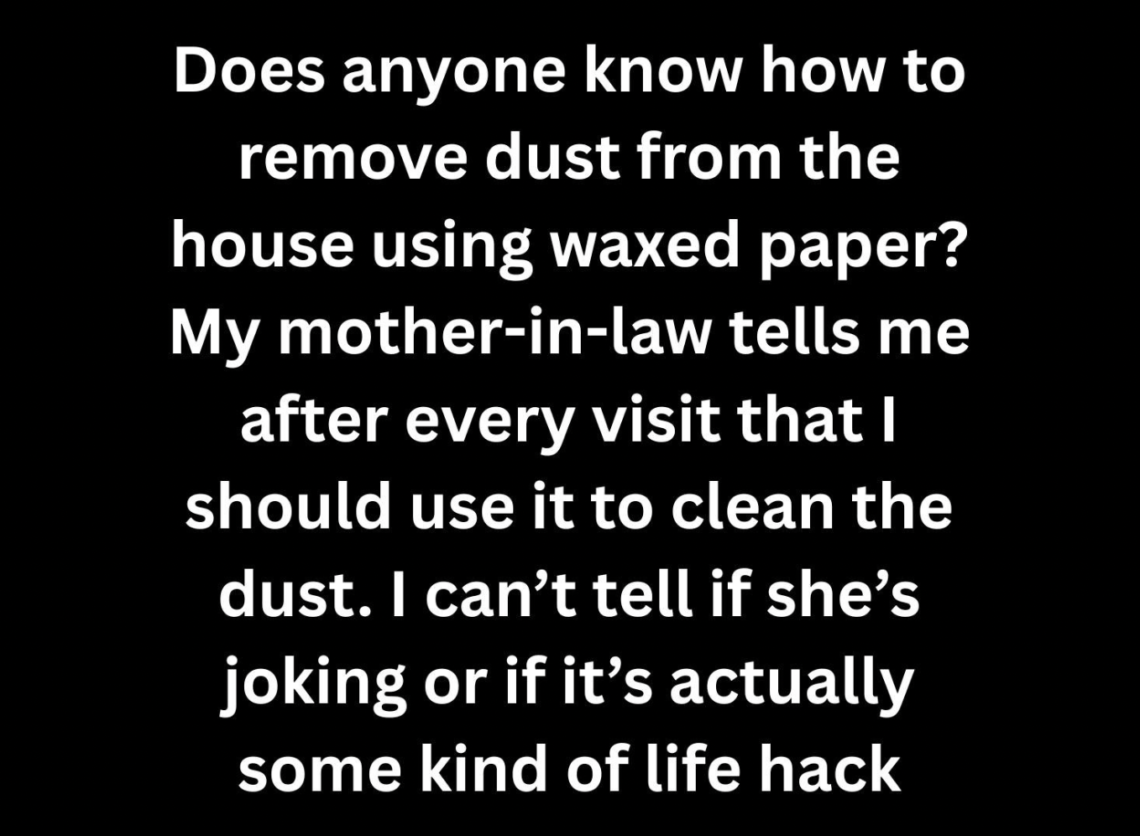
That is why so many people are surprised when they discover one of the simplest old-fashioned kitchen maintenance tricks:
placing waxed paper on hard-to-reach upper kitchen surfaces.
At first, it sounds almost too simple to matter.
A sheet of waxed paper?
Really?
But this humble household hack has quietly circulated through generations of home cooks, busy parents, apartment dwellers, and cleaning enthusiasts because it solves a very specific and annoying problem:
- greasy dust buildup in difficult-to-clean places.
The beauty of the trick lies not in deep cleaning power, but in prevention.
Instead of constantly scrubbing greasy buildup from cabinet tops and appliances, the waxed paper acts as a removable protective barrier. When it becomes dirty, you simply replace it.
Simple.
Inexpensive.
Low effort.
Surprisingly effective.
Why Kitchen Grease Becomes So Difficult to Clean
To understand why this trick works, it helps to understand what actually happens inside kitchens during cooking.
Whenever food is cooked—especially:
- frying
- sautéing
- roasting
- grilling
tiny oil particles become airborne.
These microscopic droplets eventually settle onto surrounding surfaces.
At the same time, kitchens naturally accumulate:
- dust
- pet hair
- lint
- airborne debris
The grease acts almost like glue, trapping particles and forming sticky residue.
Why Cabinet Tops Get Especially Dirty
The tops of cabinets are among the most neglected surfaces in many kitchens because:
- they are hard to see
- difficult to reach
- often above eye level
Over months or years, grease and dust combine into a thick sticky layer that can become surprisingly unpleasant to clean.
People often discover this buildup only during:
- moving
- renovations
- deep cleaning days
- holiday preparation
and are shocked by how stubborn the grime has become.
The Waxed Paper Solution
The concept behind the waxed paper hack is extremely simple:
- place sheets of waxed paper on upper surfaces before grease and dust accumulate.
The paper catches the grime instead of the cabinet itself.
Later, you:
- peel it away
- throw it out
- replace it with fresh paper
This drastically reduces scrubbing effort.
Why Waxed Paper Works Better Than Regular Paper
Waxed paper has a thin wax coating that helps resist:
- moisture
- grease absorption
- sticking
This makes it more suitable than ordinary paper or newspaper for greasy environments.
The wax layer prevents oils from soaking through quickly.
Best Places to Use This Hack
Waxed paper works best on:
- tops of kitchen cabinets
- refrigerator tops
- microwave tops
- upper shelves
- range hoods
- pantry tops
Any flat elevated surface prone to grease and dust buildup can benefit.
Why the Top of the Refrigerator Gets So Dirty
Many people rarely clean refrigerator tops because they are:
- out of sight
- awkward to reach
Warm air rising from appliances also encourages dust accumulation.
Combined with kitchen grease, the result becomes a sticky layer that attracts even more debris.
Waxed paper creates a disposable protective shield.
How to Apply Waxed Paper Properly
Step 1: Clean the Surface First
Before laying down paper:
- remove existing grease and dust
- dry the surface completely
The waxed paper works best on clean surfaces.
Step 2: Measure and Cut
Cut sheets to fit the surface dimensions.
You can overlap pieces slightly if needed.
Step 3: Lay Flat
Place the waxed side facing upward.
The paper should lie flat without curling excessively.
Step 4: Replace Periodically
Depending on cooking frequency, replace every:
- few weeks
or - few months
The dirtier the kitchen environment, the more often replacement may help.
Why This Hack Saves So Much Time
The biggest advantage is not cleaning power.
It is cleaning prevention.
Instead of:
- degreasing
- scrubbing
- scraping sticky buildup
you simply remove the dirty layer entirely.
That small difference can save significant effort over time.
Why Greasy Dust Feels So Unpleasant
Kitchen grime is uniquely frustrating because it combines:
- sticky texture
- unpleasant smell retention
- difficult removal
Ordinary dust wipes away easily.
Greasy dust smears, clings, and often requires degreasers.
The waxed paper intercepts the mess before it bonds directly to surfaces.
Why Older Generations Loved This Trick
Many older household cleaning methods focused on:
- efficiency
- practicality
- prevention
before modern disposable cleaning products became heavily marketed.
People developed clever low-cost maintenance habits using:
- foil
- newspaper
- waxed paper
- cloth coverings
because constant deep cleaning was physically exhausting and time-consuming.
Waxed Paper vs Parchment Paper
People often confuse these two products.
Waxed paper:
- coated with wax
- moisture-resistant
- flexible
- intended for cool or room-temperature use
Parchment paper:
- coated with silicone
- heat-resistant
- designed for baking
For cabinet tops, either can work, but waxed paper is usually cheaper and traditionally preferred.
Important Safety Note
Waxed paper should not be placed:
- directly inside ovens
- on hot stovetops
- near open flames
because wax coatings are not intended for high heat exposure.
For upper cabinet surfaces away from direct heat, it is generally fine.
Other Kitchen Areas That Benefit From Preventive Barriers
People use similar strategies for:
- shelf liners
- refrigerator liners
- under-sink mats
- drawer protectors
The principle remains the same:
prevent grime accumulation instead of fighting it later.
Why Prevention Often Beats Deep Cleaning
Many cleaning experts emphasize:
- maintenance cleaning
rather than - infrequent extreme deep cleaning
Small preventive habits reduce:
- labor
- buildup
- frustration
over time.
The Psychology of “Invisible Dirt”
One reason upper cabinet grime becomes severe is because people rarely see it daily.
Humans prioritize cleaning:
- visible messes
- eye-level surfaces
- frequently touched areas
Hidden surfaces quietly accumulate dirt for months or years unnoticed.
Why Kitchen Air Carries Oil
Cooking oils partially vaporize when heated.
Tiny droplets travel through the air before settling.
This explains why greasy film appears even on surfaces far from the stove.
The more frequent the frying or sautéing, the more noticeable the buildup tends to become.
Does This Trick Work in Small Apartments?
Yes—sometimes even better.
Smaller kitchens often experience:
- concentrated cooking vapors
- less ventilation
- faster grease accumulation
Preventive barriers become especially helpful in compact spaces.
Why Range Hoods Need Regular Attention Too
Range hoods actively collect:
- grease
- smoke particles
- airborne oils
Waxed paper can help protect the upper exterior surfaces, though filters themselves still require cleaning.
The Low-Cost Appeal
Part of this hack’s popularity comes from affordability.
Waxed paper is:
- inexpensive
- widely available
- easy to replace
Unlike specialty cleaning systems, it requires almost no investment.
Common Mistakes
Forgetting to Replace the Paper
Eventually the paper itself becomes greasy and dusty.
Replacement is essential.
Applying Over Dirty Surfaces
Existing grime should be cleaned first or odors and residue remain trapped underneath.
Using Near Heat Sources
Avoid direct contact with hot appliances or flames.
Why This Trick Feels So Satisfying
There is a certain satisfaction in removing a dirty protective layer and revealing a clean surface underneath.
It transforms:
- heavy scrubbing
into - quick maintenance
which feels psychologically easier and less overwhelming.
The Bigger Lesson Behind Old Household Hacks
Many old-fashioned cleaning tricks survived because they solved practical problems efficiently.
Long before social media “life hacks,” people developed maintenance habits through:
- experience
- necessity
- resourcefulness
Waxed paper cabinet liners are one example of simple preventive thinking that still works remarkably well today.
Eco-Friendly Considerations
Some people prefer reusable washable liners instead of disposable paper for environmental reasons.
Both approaches aim to:
- reduce cleaning difficulty
- protect surfaces
The best choice depends on personal priorities and habits.

Welcome to my kitchen!
I’m a passionate home cook and recipe creator who loves turning simple ingredients into delicious, comforting meals that everyone can enjoy. Through this website, I share carefully prepared recipes, practical cooking tips, and easy-to-understand food education to help you feel more confident in the kitchen.
My goal is to make cooking simple, enjoyable, and accessible. Whether you are looking for a quick family dinner, a delicious dessert, healthy meal ideas, or traditional recipes with a modern touch, you’ll find inspiration here.
More Than Just Recipes
I believe that cooking is also a way to learn. That’s why this website is not only about recipes. I also create educational articles about ingredients, cooking techniques, kitchen tips, food preparation, and the stories behind different dishes.
Each article is designed to give you useful knowledge that you can apply in your own kitchen. From understanding how ingredients work together to learning better cooking methods, my aim is to help you become a more confident and creative cook.
My Philosophy
Good food doesn’t always require complicated ingredients or professional equipment. With a little knowledge, patience, and creativity, simple ingredients can become something truly special.
I believe in sharing recipes that are practical, clearly explained, and enjoyable to make. I also love exploring new flavors while appreciating traditional cooking and the recipes passed down through generations.
Thank you for visiting my kitchen and being part of this food-loving community. I hope my recipes and articles inspire you to cook, learn, experiment, and most importantly, enjoy every bite!
Happy cooking!