Absolutely Can’t
Staying in a hotel often feels like entering a temporary world where everything has been prepared for your comfort. There are fresh towels in the bathroom, small bottles arranged neatly beside the sink, stationery on the desk, coffee and tea waiting for you, and sometimes even little gifts or treats placed around the room.
Because all of these things are provided during your stay, it can be tempting to assume that anything inside the room is fair game. After all, you paid for the room, so why not take a few things home?
But hotels operate according to a simple distinction that many guests overlook:
Some items are provided for guests to use and keep. Others are provided only for use during the stay.
Knowing the difference can save you from an awkward conversation at checkout, an unexpected charge, or even a much more serious problem.
The rules can vary from one hotel to another, so the safest approach is always to check the hotel’s own policy when you are unsure. Still, there are some general categories that can help you understand what is normally considered a complimentary amenity and what is considered hotel property.
What Does “Complimentary” Really Mean?
One of the biggest misunderstandings comes from the word complimentary.
When a hotel describes something as complimentary, it generally means that the item or service is included as part of your stay. It does not necessarily mean that the physical object belongs to you.
For example, if a hotel provides a bottle of shampoo for you to use during your stay, that may be complimentary. But a larger decorative bottle attached to the bathroom wall may belong to the hotel and be intended to remain there.
The same principle applies to many other objects.
Included in the room does not automatically mean yours to take.
Things You Can Usually Take Home
Let’s begin with the items that are commonly intended for guests to use and, depending on the hotel’s policy, keep.
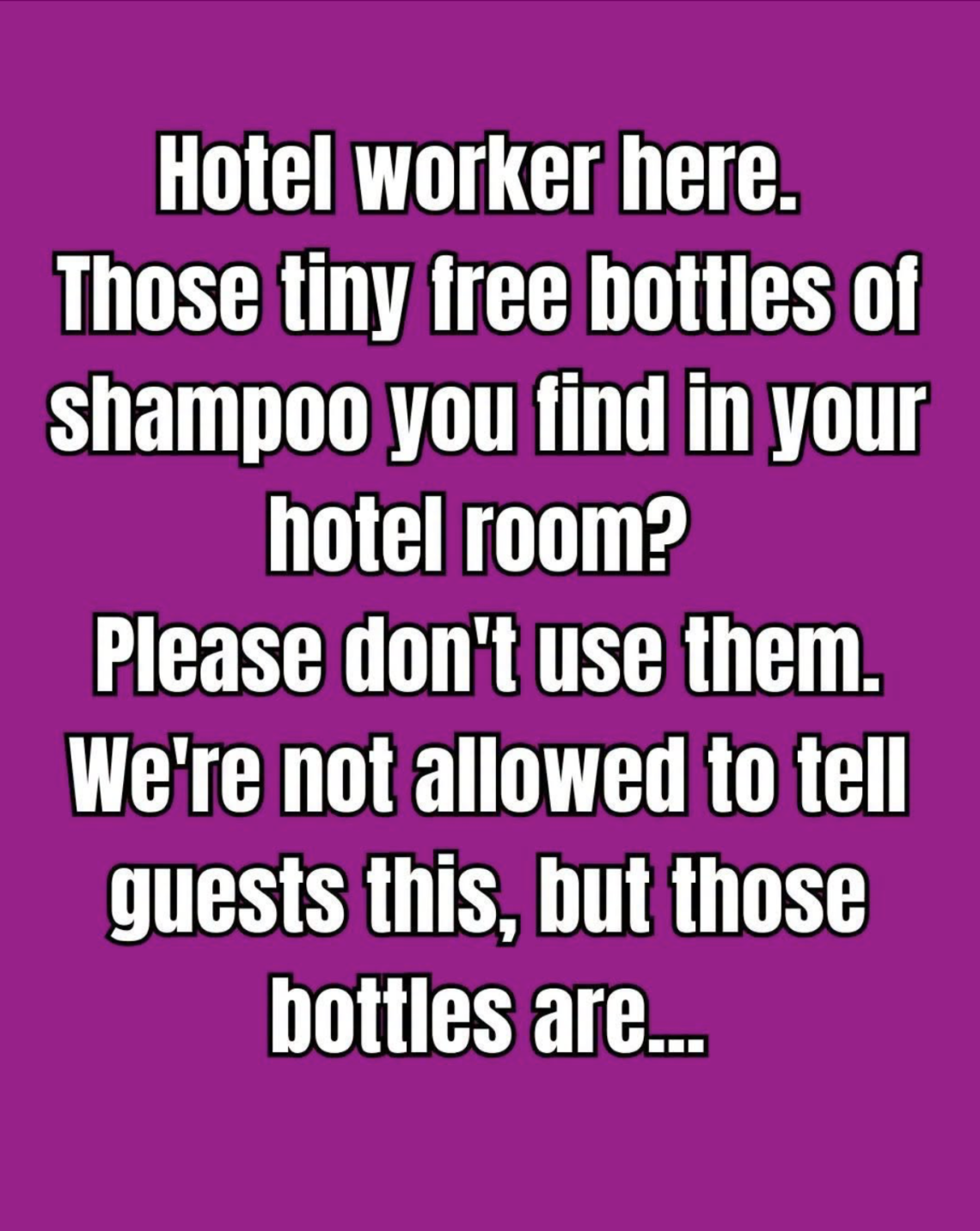
1. Small Toiletries
Small toiletry bottles are among the most recognizable hotel amenities.
These may include:
- shampoo
- conditioner
- body wash
- body lotion
- hand cream
- soap
- shower gel
- shaving products
- toothpaste
- mouthwash
- small dental-care items
Traditionally, hotels have provided small individual containers specifically for guests.
If the packaging clearly appears to be a complimentary travel-size amenity, it is generally intended for guest use.
However, hotels increasingly use refillable dispensers to reduce waste.
If a large bottle is permanently mounted to the wall, it should generally stay in the bathroom.
2. Small Bars of Soap
A small wrapped bar of soap is another classic example.
If it has been placed beside the sink or in the shower as an individual guest amenity, it is generally something you can use during your stay and, depending on the hotel’s policy, take with you if it remains unused.
Some guests even save unopened hotel soaps for travel.
That can be perfectly reasonable when the hotel provides them as individual amenities.
3. Disposable Dental Items
Some hotels provide small toothbrushes, toothpaste tubes, floss, or other basic dental-care products.
These are normally intended for guests.
Because they are personal-use items, hotels generally do not expect them to be returned after checkout.
This can be particularly useful when someone forgets their toiletries while traveling.
4. Disposable Razors
A small disposable razor supplied as a complimentary bathroom amenity is generally intended for guest use.
If you do not need it during your stay, it may be possible to take it with you.
However, again, the safest rule is to distinguish between disposable guest amenities and permanent hotel equipment.
A disposable razor is one thing.
A high-quality electric shaver supplied as part of a hotel’s equipment is something entirely different.
5. Shower Caps
The humble shower cap is one of those items that guests often overlook.
It is inexpensive, individually packaged and designed for personal use.
If the hotel provides one as part of its bathroom amenities, it is generally reasonable to use it or take the unused one with you.
6. Small Sewing Kits
Some hotels provide tiny sewing kits containing items such as:
- needles
- thread
- buttons
- small scissors
These are usually provided as complimentary guest amenities.
They can be surprisingly useful during travel, particularly when a button suddenly comes loose or a small tear appears in a shirt.
7. Stationery
Hotel stationery is another interesting category.
Many rooms contain:
- notepads
- envelopes
- postcards
- pens
- pencils
These items may carry the hotel’s name or logo.
They are often intended for guests to use.
A branded notepad or ordinary hotel pen is generally treated differently from hotel equipment or decorative objects.
In fact, branded stationery can even function as informal advertising when guests take it home.
8. Hotel Pens
The classic hotel pen deserves special attention.
Hotels often place branded pens in guest rooms because they are inexpensive, useful and effectively serve as miniature advertisements.
A guest might take the pen home, use it at work, and eventually someone else sees the hotel’s name.
That is very different from taking a hotel lamp or television.
9. Promotional Materials
Hotels may provide brochures, maps, local guides, postcards and promotional information.
These materials are generally intended for guests.
If the hotel has placed a local sightseeing map on your desk, there is usually no expectation that you will return it.
The same applies to many promotional leaflets and visitor guides.
10. Complimentary Food That Is Clearly Marked as Such
Some hotels provide small complimentary snacks.
Examples might include:
- packaged biscuits
- chocolates
- fruit
- bottled water
- tea bags
- coffee
- individually packaged snacks
If something is clearly identified as complimentary or included with the room, it may be yours to consume.
But this is where you need to pay attention.
Not everything in the room is automatically free.
11. Tea Bags and Coffee
A room may contain a small hospitality tray with:
- tea bags
- instant coffee
- sugar
- powdered milk
- sweeteners
These items are normally provided for guests.
If the hotel has clearly included them as part of the room’s amenities, they are generally yours to use.
Whether you can take unused items home depends on the hotel’s specific policy, but individual disposable portions are generally treated differently from reusable equipment.
12. Bottled Water
Complimentary bottled water is another common hotel amenity.
Many hotels provide one or two bottles free of charge.
However, some hotels charge for bottled water, particularly when the bottle is placed in a minibar or accompanied by a price list.
So don’t assume that every bottle of water is free.
Look for wording such as:
Complimentary
Free of charge
Included
or check the hotel’s information sheet.
13. Welcome Gifts
Some hotels provide guests with small welcome gifts.
These might include:
- chocolates
- cookies
- local snacks
- small souvenirs
- branded items
- greeting cards
If something is clearly presented as a gift or welcome amenity, it is intended for you.
What You Usually Cannot Take
Now we reach the other side of the equation.
Many objects in your hotel room are there for your use, but they remain the hotel’s property.
Taking them without permission can result in charges or other consequences.
14. Towels
Hotel towels are one of the most commonly taken items.
A guest may think:
“I paid for the room, and this towel was provided for me.”
But the towel is still hotel property.
Hotels need to wash, maintain and replace towels continuously.
A towel disappearing from one room creates a direct replacement cost for the hotel.
That is why many hotels have policies concerning missing towels.
15. Bathrobes
Bathrobes can be particularly tempting because they feel like personal clothing.
But unless the hotel specifically says that the robe is complimentary or available for purchase, it should remain in the room.
Some hotels sell their robes.
Others provide them strictly for use during the stay.
If you love the robe, the best option is to ask whether you can purchase one.
16. Slippers: A Special Case
Hotel slippers are a little different.
Many disposable slippers are specifically intended for guests.
If they are lightweight, individually packaged and clearly presented as complimentary amenities, they may be intended to be taken.
However, reusable slippers or premium hotel footwear may remain hotel property.
When in doubt, ask.
17. Pillows
A pillow might be the most comfortable pillow you have ever slept on.
That still doesn’t mean you can put it in your suitcase.
Pillows are hotel property unless the hotel explicitly sells or gives them to guests.
Many hotels actually sell their bedding separately, allowing guests to purchase the same products they enjoyed during their stay.
18. Blankets
The same applies to blankets.
A blanket provided on the bed is part of the hotel’s furnishings.
It should remain in the room.
Even if it looks ordinary, replacing hotel bedding across hundreds of rooms can become expensive.
19. Bed Sheets
This one should be obvious, but it is worth mentioning.
Bed sheets are hotel property.
They are washed and reused for future guests.
They should never be packed into your suitcase simply because they are available in your room.
20. Towels and Bath Mats
Don’t forget the smaller textile items.
Guests sometimes mistakenly assume that a bath mat is different from a towel.
It isn’t.
Unless the hotel explicitly says otherwise, bath mats, hand towels, face towels and large towels all belong to the hotel.
21. Hair Dryers
A hair dryer in the bathroom may look like a personal amenity.
But it is usually hotel equipment.
Many hotels permanently install hair dryers or provide them as reusable appliances for guests.
Taking one can lead to a charge.
22. Irons and Ironing Boards
Hotels often provide irons and ironing boards.
These are clearly intended for use during the stay.
They are not souvenirs.
An iron can be significantly more expensive to replace than a small toiletry bottle.
23. Coffee Makers and Kettles
The coffee maker may sit beside the complimentary coffee.
That does not mean the machine is complimentary.
The distinction is simple:
Coffee sachets may be provided for consumption; the coffee machine is equipment.
The same applies to electric kettles.
24. Glasses and Cups
The glasses and cups in the room belong to the hotel.
Even if they are inexpensive, they are reusable hotel property.
Taking one may result in a replacement charge.
The same applies to plates, bowls and other reusable dining equipment.
25. Cutlery
Forks, knives, spoons and other reusable dining utensils should remain in the room.
If you order room service, the plates and cutlery are not souvenirs.
They need to be collected, cleaned and used again.
26. Hangers
Hotel closets often contain numerous hangers.
Because they are small and easy to pack, hangers are sometimes taken by guests.
Unless the hotel explicitly provides disposable hangers or tells you that they are yours to keep, they should remain in the closet.
27. Remote Controls
The remote control may not seem valuable.
But it is still hotel property.
It is required for the next guest to operate the television or other equipment.
Taking it can create an immediate problem for the hotel.
28. Televisions
This one should go without saying.
The television is part of the room’s equipment.
Even if it is a small television, it is not included in the price of your stay.
29. Lamps
Bedside lamps and desk lamps are also hotel property.
The same applies to:
- alarm clocks
- speakers
- decorative lights
- charging stations
- electronic equipment
Unless something is explicitly presented as a gift, it should remain where it is.
30. Artwork and Decorations
Hotel rooms often contain decorative objects.
You might find:
- paintings
- framed photographs
- sculptures
- vases
- decorative bowls
- ornaments
These are part of the hotel’s interior design.
Taking them is not the same as taking a complimentary pen.
31. Hair Straighteners and Beauty Equipment
Some hotels provide beauty equipment for guest use.
This might include:
- hair straighteners
- curling irons
- electric shavers
- facial devices
Unless the hotel specifically states that the item is complimentary, it should remain in the room.
32. Minibar Items
The minibar deserves special attention.
Some items may be complimentary.
Others may be charged individually.
Depending on the hotel, the minibar may contain:
- bottled water
- soft drinks
- juice
- snacks
- chocolate
- nuts
- alcoholic drinks
The price list should make the situation clear.
Do not assume that something is free simply because it is located inside your room.
33. Alcoholic Drinks
Miniature bottles of alcohol are generally not complimentary unless the hotel specifically says so.
They are often individually priced.
Taking or consuming them may result in a charge.
34. Snacks
The same applies to snacks.
A chocolate bar sitting inside a minibar may look like a complimentary treat.
It may actually have a price attached.
Always check before consuming or packing anything from a minibar.
35. Electronic Chargers
A hotel may provide a charger for guests to borrow.
Some hotels have universal charging stations or spare cables available.
These should not automatically be treated as gifts.
If the item is described as something you can borrow, leave it behind.
36. Adapters
Travel adapters can be particularly expensive compared with ordinary stationery.
If the front desk lends you an adapter, it needs to be returned.
If the hotel sells one, you can purchase it.
But unless it is explicitly a complimentary gift, don’t pack it.
37. Hotel Phones
The telephone in your room is definitely not a souvenir.
It is part of the hotel’s communication system.
Even if you never use it, it remains hotel equipment.
38. Safety Equipment
Never remove safety equipment from a hotel room.
This includes things such as:
- smoke detectors
- emergency equipment
- fire safety devices
- emergency information
- certain medical or safety supplies
These items are there to protect guests.
Removing them can create a serious safety problem.
39. Emergency Information
Hotel emergency instructions should remain in the room.
They may contain important information about evacuation routes, emergency exits and procedures.
Unlike a local tourist map or promotional brochure, these materials serve an important safety function.
40. Hotel Bibles and Religious Books
Some hotels provide religious or inspirational books.
Their status can vary.
Some are placed in rooms by outside organizations, while others belong to the hotel.
If you’re unsure whether a particular book is intended as a gift, don’t assume.
Ask the hotel.
What About the “Gray Areas”?
The most interesting hotel items are often those that fall somewhere between clearly free and clearly forbidden.
This is where common sense and communication become important.
The Pen vs. the Bathrobe
A hotel pen may be intentionally designed to leave the room.
A bathrobe usually isn’t.
Why?
Because the pen is inexpensive and often branded.
The robe is a reusable piece of hotel inventory.
The difference isn’t necessarily the price.
It is the intended purpose of the item.
The Small Toiletry Bottle vs. the Large Dispenser
A small shampoo bottle is often a guest amenity.
A large refillable dispenser attached to the shower wall is usually hotel equipment.
The packaging gives you an important clue.
Individual portions are generally intended for individual use.
Permanent dispensers are designed to remain in place.
The Difference Between “Use” and “Take”
This distinction explains many hotel policies.
The hotel might say:
“You are welcome to use the bathrobe.”
That does not mean:
“You are welcome to take the bathrobe.”
Likewise, a hotel may provide a coffee machine for your use without giving you ownership of it.
What If You Really Want Something?
There is a simple solution.
Ask.
If you love the hotel robe, pillow, blanket or mug, call reception and ask whether it is available for purchase.
Many hotels are happy to sell branded merchandise.
In fact, some have online shops specifically for this purpose.
This allows you to take home exactly what you want without creating a misunderstanding.
Hotels Sometimes Encourage Guests to Buy Their Favorite Items
This has become increasingly common.
Guests often ask:
“Where can I buy this mattress?”
“Where can I get this pillow?”
“What brand is this robe?”
Hotels have recognized that guests may want to recreate the hotel experience at home.
As a result, some hotels sell:
- mattresses
- pillows
- bedding
- robes
- towels
- candles
- toiletries
- mugs
- branded clothing
So if you find something particularly comfortable, asking can be worthwhile.
Why Hotels Charge for Missing Items
Hotels don’t simply charge guests because they want to make extra money.
Replacing missing items costs money.
Imagine a hotel with hundreds of rooms.
If a small percentage of guests take towels, robes, hangers or other equipment, the replacement cost can become significant.
Hotels therefore keep track of inventory.
Some properties inspect rooms after checkout.
Others use housekeeping reports.
Not Every Missing Item Will Automatically Be Charged
Hotel policies differ.
A missing inexpensive item may not result in a charge.
Another hotel may have a strict policy.
Some hotels list prices for specific items.
Others contact the guest before charging.
The safest approach is not to assume that “they probably won’t notice.”
What Happens If You Accidentally Take Something?
Mistakes happen.
You might accidentally pack a hotel towel.
Perhaps a charger got mixed into your luggage.
Maybe you didn’t realize a particular item belonged to the hotel.
The best response is simple:
Contact the hotel.
Explain what happened and ask how they would like you to return the item.
Being honest can turn an awkward situation into a simple misunderstanding.
Why “I Paid for the Room” Doesn’t Mean You Own Everything Inside
This is an important concept.
When you book a hotel room, you are paying for temporary accommodation and the services included with it.
You are not purchasing the furniture.
You are not purchasing the television.
You are not purchasing the towels.
You are not purchasing the lamps.
You are essentially paying for the right to use the room and its facilities during a defined period.
That is why the hotel’s property remains the hotel’s property.
A Simple Rule to Remember
When you’re unsure whether you can take something, ask yourself:
Was this item placed here for me to consume or keep, or was it placed here for me to use?
If it is clearly a disposable personal amenity, it may be intended for you.
If it is reusable hotel equipment, it almost certainly should stay.
And if you’re still unsure, ask reception.
A Practical Hotel Room Checklist
Before packing your suitcase, take a quick look around the room.
Usually intended as guest amenities
- Small soap
- Small shampoo or conditioner
- Small body lotion
- Toothpaste
- Disposable toothbrush
- Shower cap
- Small sewing kit
- Stationery
- Hotel pen
- Promotional brochures
- Complimentary packaged snacks
- Complimentary tea and coffee
- Clearly identified welcome gifts
Usually hotel property
- Towels
- Bathrobes
- Pillows
- Blankets
- Sheets
- Hangers
- Glasses
- Cups
- Plates
- Cutlery
- Hair dryers
- Irons
- Kettles
- Coffee machines
- Lamps
- Televisions
- Remote controls
- Artwork
- Decorations
- Electronic equipment
- Chargers provided for borrowing
- Adapters provided for borrowing
- Hotel telephones
- Safety equipment
Items requiring particular attention
- Minibar products
- Bottled water
- Premium toiletries
- Slippers
- Religious books
- Special gifts
- Electronic accessories
- Spa products
- Branded merchandise
The Most Important Rule of All
Hotel policies vary.
What is free in one hotel may be chargeable in another.
What one hotel allows guests to take may be hotel property somewhere else.
That is why there is no universal list that applies to every hotel in every country.
When the status of an item isn’t obvious, check the room information, look for a price list, or ask reception.
A few seconds of clarification can save you an unnecessary charge or an uncomfortable conversation later.

Welcome to my kitchen!
I’m a passionate home cook and recipe creator who loves turning simple ingredients into delicious, comforting meals that everyone can enjoy. Through this website, I share carefully prepared recipes, practical cooking tips, and easy-to-understand food education to help you feel more confident in the kitchen.
My goal is to make cooking simple, enjoyable, and accessible. Whether you are looking for a quick family dinner, a delicious dessert, healthy meal ideas, or traditional recipes with a modern touch, you’ll find inspiration here.
More Than Just Recipes
I believe that cooking is also a way to learn. That’s why this website is not only about recipes. I also create educational articles about ingredients, cooking techniques, kitchen tips, food preparation, and the stories behind different dishes.
Each article is designed to give you useful knowledge that you can apply in your own kitchen. From understanding how ingredients work together to learning better cooking methods, my aim is to help you become a more confident and creative cook.
My Philosophy
Good food doesn’t always require complicated ingredients or professional equipment. With a little knowledge, patience, and creativity, simple ingredients can become something truly special.
I believe in sharing recipes that are practical, clearly explained, and enjoyable to make. I also love exploring new flavors while appreciating traditional cooking and the recipes passed down through generations.
Thank you for visiting my kitchen and being part of this food-loving community. I hope my recipes and articles inspire you to cook, learn, experiment, and most importantly, enjoy every bite!
Happy cooking!