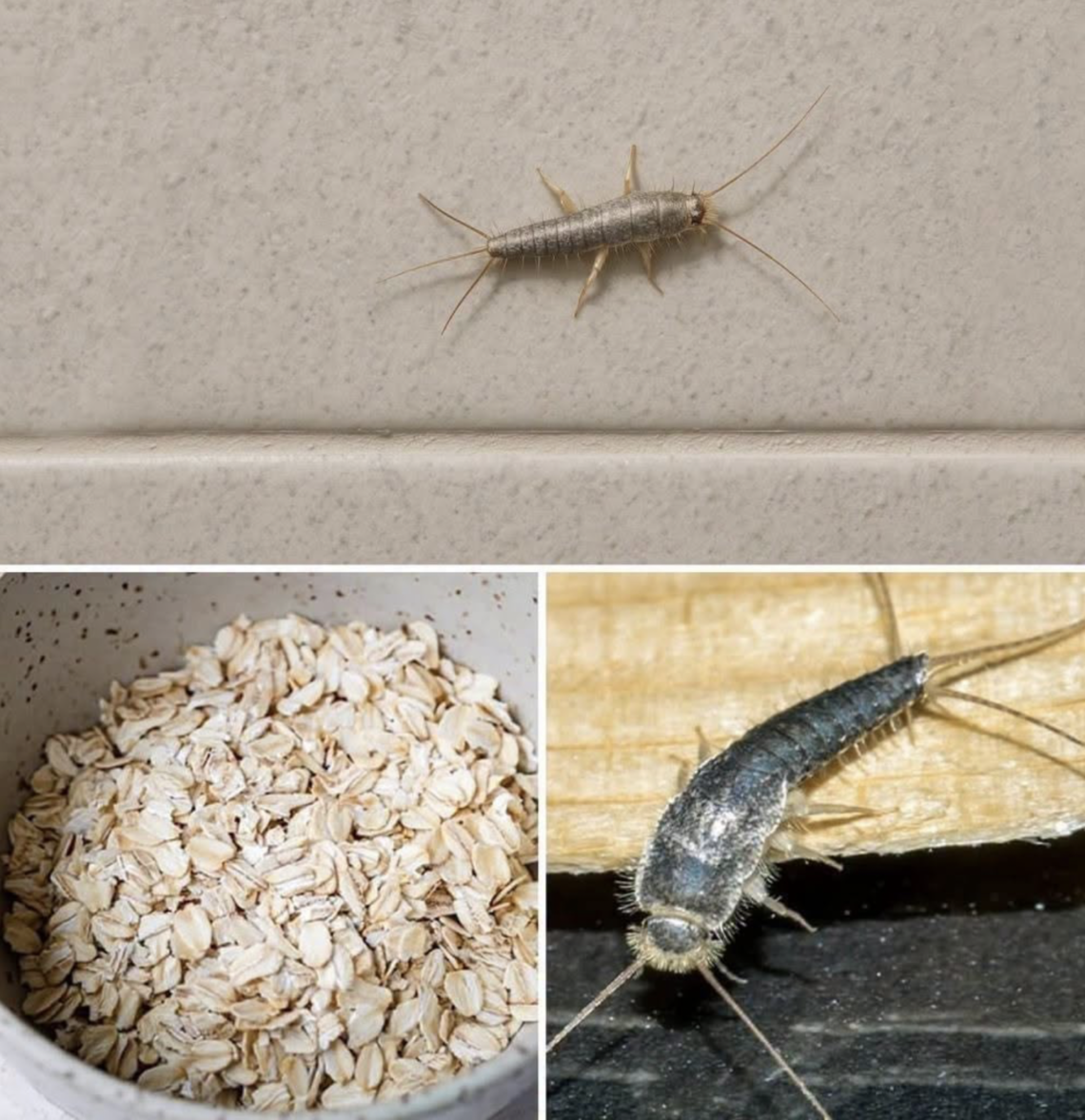
Few household discoveries are as surprising as turning on the bathroom light late at night and seeing a tiny silver-colored insect quickly disappear into a crack or dark corner.
It moves almost like a small flash of metal across the floor — fast, quiet, and difficult to catch.
This little creature is commonly known as a silverfish.
The name sounds unusual, but it comes from its appearance: a small, flattened body covered with shiny silver-gray scales and a movement that resembles the quick swimming motion of a fish.
Although silverfish can look alarming, the good news is that they are generally considered harmless to people. They do not bite, sting, or spread dangerous diseases. However, their presence can be frustrating because they may damage certain household materials and can be a sign that an area has too much moisture.
Understanding why silverfish appear — and how to discourage them naturally — can help you restore a cleaner, more comfortable home environment.
What exactly are silverfish?
Silverfish are small, wingless insects belonging to the group known as Zygentoma.
They have several recognizable features:
- A long, flattened body
- A silver or gray appearance
- Long antennae
- Three tail-like appendages at the back
- Quick, crawling movements
They are ancient insects that have existed for millions of years. Unlike many insects that go through dramatic changes during their life cycle, silverfish hatch looking like smaller versions of adults and gradually grow larger.
They are especially active at night, which is why many people rarely notice them until they suddenly appear in a dark room.
Why do silverfish come into homes?
Silverfish are not attracted to dirty homes specifically. They are searching for conditions that help them survive.
The main things they need are:
1. Moisture
Silverfish prefer humid environments.
Common places where they may appear include:
- Bathrooms
- Basements
- Laundry rooms
- Kitchens
- Areas under sinks
- Storage spaces
A damp environment provides the humidity they need.
2. Food sources
Silverfish feed on materials containing starches and carbohydrates.
They may eat:
- Paper
- Cardboard
- Books
- Wallpaper paste
- Glue
- Some fabrics
- Stored food products
This is why they are sometimes found near bookshelves, storage boxes, or old documents.
3. Hiding places
Silverfish prefer quiet, dark spaces.
They often hide in:
- Cracks in walls
- Behind baseboards
- Under furniture
- Around pipes
- Inside boxes
- Behind appliances
During the day, they usually remain hidden and come out when the environment is calm.
Are silverfish dangerous?
The short answer is: usually no.
Silverfish are not considered dangerous household pests because:
- They do not bite humans.
- They do not inject venom.
- They are not known for spreading major diseases.
However, they can still be unwanted guests.
Their main concern is the possibility of damage to belongings.
What damage can silverfish cause?
Silverfish are attracted to materials containing starch, cellulose, and adhesives.
Over time, they may damage:
Books and paper
Old books, newspapers, photographs, and important documents can be vulnerable.
Wallpaper
Some wallpaper adhesives contain substances that attract silverfish.
Stored clothing
Certain fabrics, especially those containing natural fibers or starch residues, may attract them.
Cardboard storage boxes
Boxes stored in damp areas can become ideal hiding places.
Why seeing one silverfish may be a useful warning
Finding one silverfish does not automatically mean you have a major infestation.
However, it can be a helpful reminder to inspect your home.
Ask yourself:
- Is there excess humidity?
- Are there leaks?
- Are storage areas too damp?
- Are cardboard boxes sitting on the floor?
- Are cracks providing hiding spaces?
Sometimes the insect itself is not the biggest issue — the environment that attracts it is.
Natural ways to discourage silverfish
Many people prefer gentle methods before using stronger pest-control products.
Here are practical approaches.
1. Reduce humidity
Because silverfish love moisture, controlling humidity is one of the most important steps.
Helpful actions include:
- Using bathroom ventilation fans
- Repairing leaks
- Drying wet areas
- Improving airflow
- Using a dehumidifier in damp rooms
A dry environment is much less comfortable for silverfish.
2. Remove clutter and hiding places
Silverfish enjoy undisturbed areas.
Try organizing:
- Old papers
- Cardboard boxes
- Stored clothing
- Unused items
Store important documents in sealed containers instead of open cardboard boxes.
3. Seal cracks and openings
Silverfish can hide in very small spaces.
Inspect:
- Baseboards
- Wall cracks
- Gaps around pipes
- Spaces near doors and windows
Sealing these areas reduces places where they can hide.
4. Store food properly
Although silverfish are not typical kitchen pests like ants or cockroaches, they can sometimes be attracted to pantry materials.
Keep dry goods stored in sealed containers.
Examples:
- Flour
- Cereal
- Pasta
- Pet food
5. Improve ventilation
Fresh airflow helps reduce the damp conditions silverfish prefer.
Simple habits include:
- Opening windows when appropriate
- Allowing bathrooms to dry after showers
- Avoiding permanently closed damp rooms
Gentle household approaches people often use
Some homeowners use natural scents and materials that silverfish tend to avoid.
Common examples include:
- Cedar products
- Lavender scents
- Certain essential oil aromas
These approaches may help discourage insects in some situations, but they work best when combined with moisture control and cleaning.
Common mistakes that attract silverfish
Leaving damp areas untreated
A small leak or constantly humid room can create ideal conditions.
Storing cardboard in basements
Cardboard provides both food sources and hiding places.
Ignoring small cracks
Tiny openings can become insect pathways.
Keeping old papers in humid spaces
Stacks of paper can provide shelter and food.
How to create a silverfish-resistant home
A few simple routines can make a big difference:
Keep rooms dry
Especially bathrooms, basements, and laundry areas.
Clean storage spaces regularly
Move boxes, inspect corners, and remove unnecessary clutter.
Use sealed containers
Protect books, papers, and pantry items.
Maintain your home
Repair leaks and seal openings.
When should you seek professional help?
If you notice:
- Large numbers of silverfish,
- Repeated sightings in many rooms,
- Damage to valuable belongings,
- Persistent problems despite prevention,
professional pest control may be helpful.
A specialist can identify the source and recommend appropriate treatment.
The deeper lesson: silverfish are often a message about your home environment
Seeing a silverfish can feel unsettling, especially when it suddenly appears from a dark corner.
But rather than viewing it as a disaster, think of it as information.
This tiny insect may simply be showing you that:
- moisture needs attention,
- storage areas need improvement,
- small gaps need sealing,
- your home environment can be made healthier.

Welcome to my kitchen!
I’m a passionate home cook and recipe creator who loves turning simple ingredients into delicious, comforting meals that everyone can enjoy. Through this website, I share carefully prepared recipes, practical cooking tips, and easy-to-understand food education to help you feel more confident in the kitchen.
My goal is to make cooking simple, enjoyable, and accessible. Whether you are looking for a quick family dinner, a delicious dessert, healthy meal ideas, or traditional recipes with a modern touch, you’ll find inspiration here.
More Than Just Recipes
I believe that cooking is also a way to learn. That’s why this website is not only about recipes. I also create educational articles about ingredients, cooking techniques, kitchen tips, food preparation, and the stories behind different dishes.
Each article is designed to give you useful knowledge that you can apply in your own kitchen. From understanding how ingredients work together to learning better cooking methods, my aim is to help you become a more confident and creative cook.
My Philosophy
Good food doesn’t always require complicated ingredients or professional equipment. With a little knowledge, patience, and creativity, simple ingredients can become something truly special.
I believe in sharing recipes that are practical, clearly explained, and enjoyable to make. I also love exploring new flavors while appreciating traditional cooking and the recipes passed down through generations.
Thank you for visiting my kitchen and being part of this food-loving community. I hope my recipes and articles inspire you to cook, learn, experiment, and most importantly, enjoy every bite!
Happy cooking!