There is something wonderfully nostalgic about sitting down to a seafood feast. For many people, the experience brings back memories of family vacations along the coast, bustling seafood restaurants with paper-covered tables, and summer evenings filled with the sound of cracking lobster shells, laughter, and the salty scent of the ocean drifting through the air.
Whether you’re enjoying a whole steamed lobster at a seaside shack in Maine, savoring lobster tails at a special dinner, or preparing fresh shellfish at home for the very first time, one question almost always arises the moment the shell is opened.
“What is that bright green stuff inside the lobster?”
Some diners eagerly spread it on crackers as though it’s a delicacy, while others quickly scrape it aside, unsure whether it’s edible. The unusual green color often catches people by surprise, especially if they’ve never encountered it before.
The good news is that the mysterious green substance isn’t mold, spoiled meat, or a sign that the lobster has gone bad. In fact, it is a perfectly natural part of the lobster’s anatomy known as the tomalley. For generations, seafood lovers have debated whether it’s the best part of the lobster—or something best left untouched.
Understanding exactly what tomalley is, what it does inside the lobster, how it’s used in cooking, and the health considerations surrounding it can help you decide whether you want to enjoy it the next time lobster is on the menu.
What Is the Green Substance?
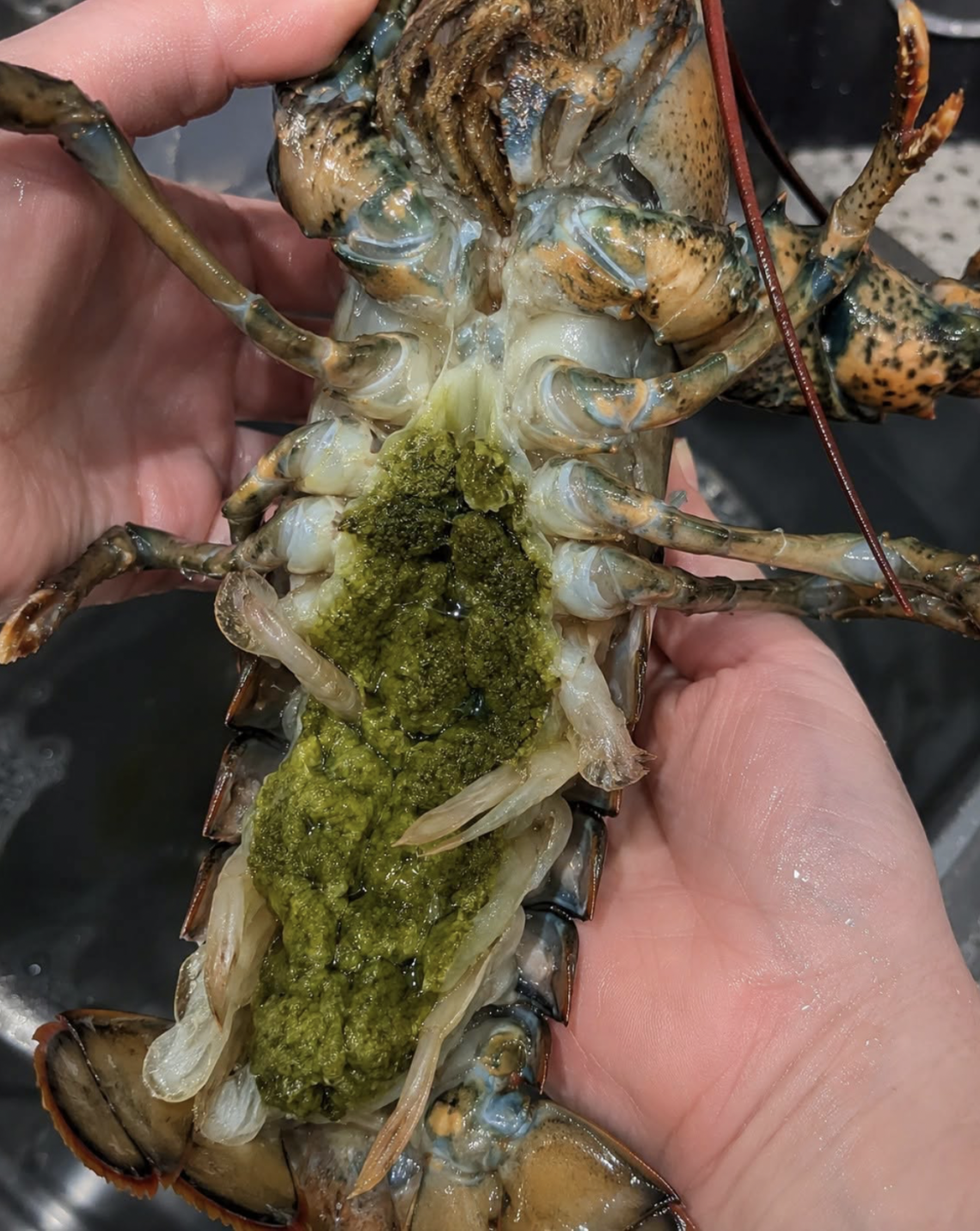
The bright green material is called tomalley.
Tomalley functions as both the lobster’s:
- liver
- pancreas
Scientists sometimes refer to this combined organ as the hepatopancreas because it performs functions similar to both organs found separately in humans and many other animals.
Rather than being muscle like the lobster’s tail or claws, tomalley is an internal organ responsible for processing nutrients and supporting digestion.
What Does Tomalley Do?
Inside the lobster, tomalley serves several important biological functions.
It helps:
- produce digestive enzymes
- break down food
- absorb nutrients
- store energy reserves
- process fats
- support metabolism
In many ways, it plays a central role in the lobster’s digestive system.
Why Is It Green?
The distinctive green color comes from naturally occurring pigments and compounds found within the organ, including substances derived from the lobster’s diet.
Because lobsters feed on a variety of marine organisms, algae, and other ocean life, pigments from their food can contribute to the tomalley’s characteristic appearance.
The exact shade may vary from:
- pale green
- olive green
- yellow-green
- dark forest green
Natural variations are completely normal.
Is It Safe to Eat?
Tomalley has been eaten for centuries and is considered a delicacy by many seafood enthusiasts because of its rich, concentrated flavor.
However, there is an important health consideration.
Because the tomalley functions as a filtering and digestive organ, it can accumulate certain environmental contaminants that may be present in the lobster’s habitat. Public health agencies in some regions advise limiting or avoiding consumption of tomalley, particularly from areas where contaminants such as certain marine toxins or chemicals may be present.
For this reason, many food safety authorities recommend enjoying the lobster meat while exercising caution with the tomalley. Local advisories may differ depending on where the lobster was harvested.
Why Do Some People Love It?
Fans of tomalley describe its flavor as:
- intensely savory
- buttery
- rich
- earthy
- slightly briny
- deeply seafood-forward
Its creamy texture makes it popular among people who enjoy bold shellfish flavors.
Some diners spread it on toast or crackers, while chefs may incorporate small amounts into sauces or seafood dishes.
Why Do Others Avoid It?
Not everyone enjoys tomalley.
Common reasons include:
- unfamiliar appearance
- strong flavor
- creamy texture
- food safety concerns
- personal preference
Choosing not to eat it is perfectly normal.
What About the Red Coral?
People often confuse tomalley with another lobster delicacy.
The bright red or reddish-orange material sometimes found inside female lobsters is called roe or coral.
Unlike the green tomalley:
- coral consists of eggs
- it turns bright red during cooking
- many people also consider it a delicacy
The green tomalley and the red coral are entirely different parts of the lobster.
Does Every Lobster Have Tomalley?
Yes.
Both male and female lobsters have tomalley because every lobster needs this digestive organ.
Only female lobsters may contain coral.
Can the Color Change?
Yes.
Tomalley does not always appear exactly the same.
Its appearance may vary depending on:
- the lobster’s diet
- age
- health
- season
- natural biological variation
Different shades of green are usually normal.
How Is Tomalley Used in Cooking?
Some chefs use small amounts of tomalley to enrich:
- seafood sauces
- lobster bisque
- compound butter
- pasta dishes
- seafood spreads
- shellfish stews
Because of its concentrated flavor, only a little is typically used.
Nutritional Information
Tomalley contains:
- fats
- proteins
- vitamins
- minerals
- digestive enzymes
However, because it is an organ rather than muscle meat, its nutritional profile differs from that of lobster tail or claw meat.
Can Children Eat It?
Parents who are uncertain about tomalley may prefer to serve children only the lobster meat.
When in doubt, following local food safety guidance is a sensible approach.
Is It the Same as Fish Liver?
Not exactly.
Although tomalley performs functions similar to a liver and pancreas, it is unique to crustaceans and is not identical to the liver of fish or mammals.
Why Food Safety Authorities Offer Caution
The lobster’s hepatopancreas can concentrate certain substances from its environment, including naturally occurring marine toxins in some situations and environmental contaminants in affected waters. Because these levels can vary by location and season, recommendations differ between regions.
Many health agencies advise:
- checking local seafood advisories
- limiting tomalley consumption if recommended
- avoiding it during contamination events
- following guidance from local fisheries and public health authorities
The lobster meat itself is generally not subject to the same recommendations.
Frequently Asked Questions
Is the green substance a sign the lobster is spoiled?
No. Fresh tomalley is a normal part of the lobster’s anatomy and does not indicate spoilage.
Does every lobster have it?
Yes. Every lobster has a hepatopancreas, commonly known as tomalley.
Is tomalley poisonous?
No. Tomalley itself is not inherently poisonous. However, because it can accumulate environmental contaminants or marine toxins depending on where the lobster was harvested, some public health agencies recommend limiting or avoiding its consumption.
Why is it considered a delicacy?
Many seafood lovers appreciate its rich, concentrated flavor and creamy texture, making it a prized ingredient in certain traditional dishes.
Can I simply remove it?
Absolutely. If you prefer not to eat tomalley, you can easily remove it before enjoying the lobster meat.
Tips for Enjoying Lobster Safely
To get the best dining experience:
If you’re unsure about tomalley, simply enjoy the tail, claw, and knuckle meat.
Purchase lobster from reputable seafood suppliers.
Keep lobster properly refrigerated before cooking.
Cook it thoroughly according to food safety recommendations.
Follow any local seafood consumption advisories.

Welcome to my kitchen!
I’m a passionate home cook and recipe creator who loves turning simple ingredients into delicious, comforting meals that everyone can enjoy. Through this website, I share carefully prepared recipes, practical cooking tips, and easy-to-understand food education to help you feel more confident in the kitchen.
My goal is to make cooking simple, enjoyable, and accessible. Whether you are looking for a quick family dinner, a delicious dessert, healthy meal ideas, or traditional recipes with a modern touch, you’ll find inspiration here.
More Than Just Recipes
I believe that cooking is also a way to learn. That’s why this website is not only about recipes. I also create educational articles about ingredients, cooking techniques, kitchen tips, food preparation, and the stories behind different dishes.
Each article is designed to give you useful knowledge that you can apply in your own kitchen. From understanding how ingredients work together to learning better cooking methods, my aim is to help you become a more confident and creative cook.
My Philosophy
Good food doesn’t always require complicated ingredients or professional equipment. With a little knowledge, patience, and creativity, simple ingredients can become something truly special.
I believe in sharing recipes that are practical, clearly explained, and enjoyable to make. I also love exploring new flavors while appreciating traditional cooking and the recipes passed down through generations.
Thank you for visiting my kitchen and being part of this food-loving community. I hope my recipes and articles inspire you to cook, learn, experiment, and most importantly, enjoy every bite!
Happy cooking!