The Surprisingly Useful Household Item Most People Toss Without Thinking
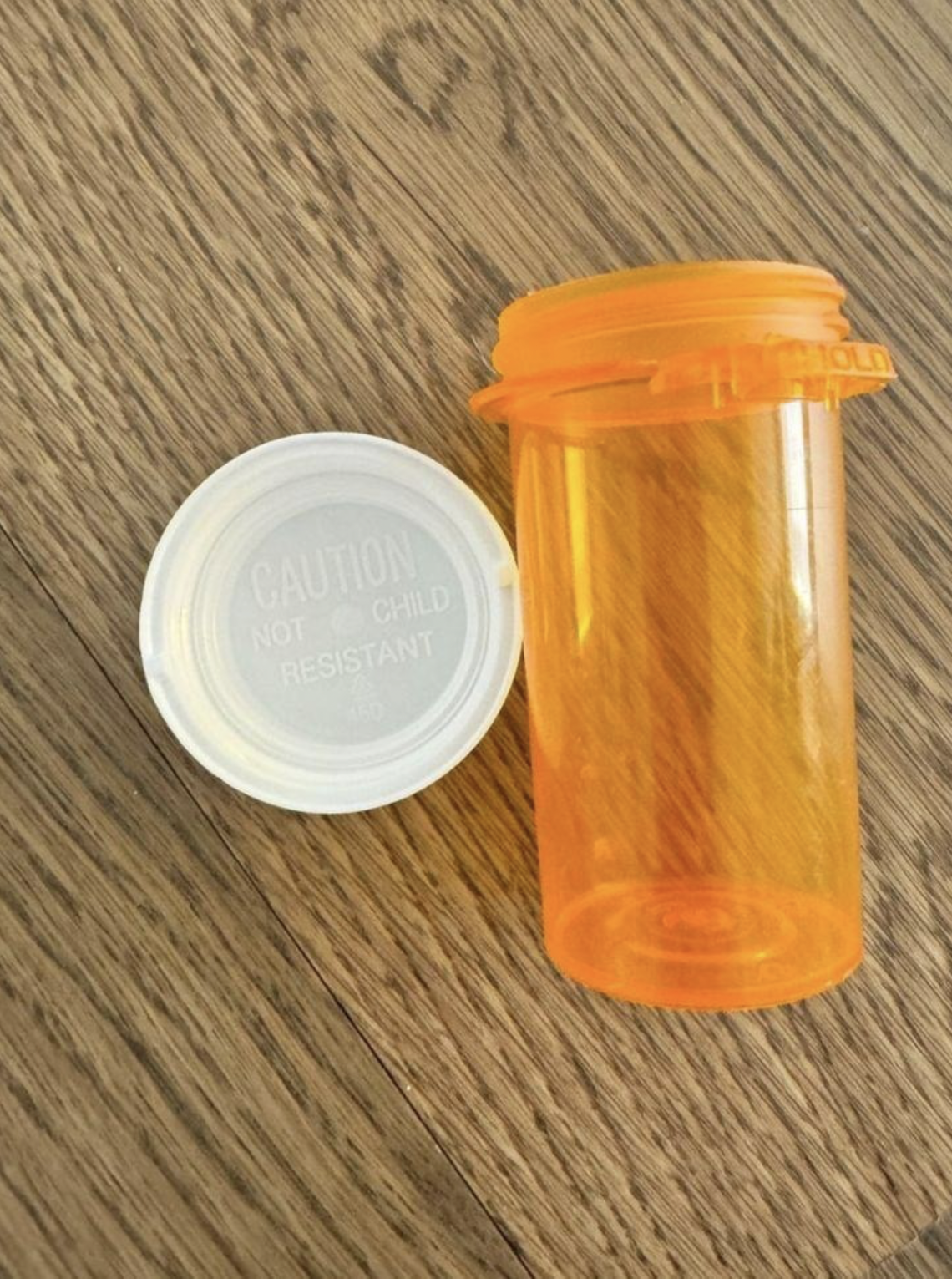
Every year, millions of empty prescription pill bottles end up in household trash bins around the world. Most people finish a medication, twist the cap shut one final time, and immediately throw the little plastic container away without a second thought.
At first glance, that reaction makes sense.
Old pill bottles seem:
- small
- ordinary
- disposable
- and no longer useful once empty.
But these tiny containers are actually incredibly practical household organizers. Designed specifically to:
- seal tightly
- resist moisture
- survive frequent handling
- protect contents from light and contamination,
pill bottles are far more durable and versatile than many people realize.
With a little creativity, those same containers can become:
- emergency kits
- travel organizers
- craft storage
- gardening helpers
- survival tools
- and surprisingly effective household problem-solvers.
Repurposing old pill bottles also helps reduce unnecessary waste. Small plastic containers are often difficult to recycle properly, especially when local recycling programs exclude medical packaging. Reusing them extends their lifespan and keeps perfectly functional materials out of landfills longer.
Of course, any reused pill bottle should first be:
- emptied completely
- washed thoroughly
- labels removed or covered
- and kept away from situations where confusion with medication could occur.
Once cleaned safely, these little containers become some of the handiest organizational tools in the home.
Why Pill Bottles Are So Useful
Prescription bottles are intentionally designed to protect sensitive contents.
That means they are:
- lightweight
- durable
- water-resistant
- portable
- secure
- compact.
Those qualities make them ideal for storing many small everyday items.
The Importance of Cleaning Them Properly
Before repurposing pill bottles, proper cleaning is essential.
Bottles should be:
- washed with warm soapy water
- rinsed thoroughly
- dried completely.
Any remaining medication residue should be removed carefully.
Personal information on labels should also be:
- peeled away
or - blacked out.
This helps protect privacy and prevents confusion later.
Why Reusing Small Containers Helps the Environment
Plastic waste remains a major environmental issue worldwide.
Many small plastics:
- are not recycled efficiently
- end up in landfills
- break into microplastics over time.
Reusing existing containers reduces:
- unnecessary consumption
- waste production
- demand for new storage products.
1. Travel-Sized Toiletry Containers
Old pill bottles make excellent travel containers for:
- shampoo
- conditioner
- lotion
- sunscreen
- body wash.
Their leak-resistant design helps prevent spills inside bags.
They are especially useful for:
- weekend trips
- camping
- gym bags
- emergency overnight kits.
Why Travelers Love Compact Containers
Travel organization becomes easier when items are:
- lightweight
- portable
- tightly sealed.
Pill bottles fit neatly into:
- backpacks
- purses
- carry-on luggage.
2. Emergency Sewing Kits
A pill bottle can hold:
- needles
- thread
- buttons
- safety pins
- tiny scissors.
Because the container seals securely, small sewing supplies stay organized and protected.
These mini kits work well in:
- cars
- offices
- dorm rooms
- travel bags.
Why Small Emergency Kits Matter
Tiny preparedness items often become incredibly useful at unexpected moments.
A loose button or torn seam becomes far less stressful when basic repair supplies are nearby.
3. Portable First Aid Kits
Pill bottles are ideal for storing:
- bandages
- antiseptic wipes
- pain relievers
- allergy tablets
- medical tape.
Their compact size makes them perfect for:
- glove compartments
- backpacks
- hiking kits.
Why Waterproof Storage Matters Outdoors
Outdoor environments expose supplies to:
- moisture
- dirt
- weather changes.
The tight lids on pill bottles help protect contents from damage.
4. Coin and Cash Storage
Many people keep emergency cash hidden in:
- vehicles
- luggage
- emergency bags.
A pill bottle can discreetly store:
- folded bills
- coins
- parking meter money.
The container protects money from:
- moisture
- tearing
- accidental loss.
5. Earbud and Charger Organizers
Small electronics accessories are notoriously easy to lose.
Pill bottles help organize:
- earbuds
- charging cables
- USB adapters
- memory cards.
This prevents tangled cords and damaged connectors.
Why Tiny Tech Items Disappear So Easily
Small electronics accessories often get:
- buried in bags
- tangled in pockets
- misplaced on desks.
Compact containers reduce clutter dramatically.
6. Spice Containers for Camping or Travel
Empty pill bottles can store:
- salt
- pepper
- sugar
- spice blends.
Campers especially appreciate lightweight spice storage solutions.
Clear labeling is important to prevent confusion.
Why Campers Love Multi-Use Storage
Camping rewards efficiency.
Objects that are:
- lightweight
- durable
- compact
become extremely valuable outdoors.
7. Garden Seed Storage
Gardeners often use pill bottles for:
- flower seeds
- vegetable seeds
- herb seeds.
The containers help protect seeds from:
- moisture
- humidity
- accidental spills.
Why Moisture Protection Matters for Seeds
Seeds remain viable longer when kept:
- cool
- dry
- protected from humidity.
Moisture exposure may cause:
- mold
- premature sprouting
- rot.
8. Nail, Screw, and Hardware Organizers
Pill bottles work perfectly for storing:
- screws
- nails
- bolts
- washers
- hooks.
Their small size keeps hardware organized without taking much space.
Why Organization Saves Time
Tiny household items often create frustration because they:
- scatter easily
- disappear in drawers
- become mixed together.
Small containers create order quickly.
9. Match and Fire Starter Protection
Campers and emergency-preparedness enthusiasts sometimes store:
- matches
- cotton fire starters
- lighter cubes.
The waterproof container helps keep materials dry.
However, these should always be:
- stored responsibly
- kept away from children
- handled carefully.
10. Hidden Key Storage
Some people use pill bottles as discreet outdoor key holders.
Placed carefully in protected locations, they help safeguard:
- spare house keys
- emergency access keys.
Water resistance helps prevent rusting.
Why Emergency Spare Keys Matter
Lockouts happen unexpectedly.
Having secure backup access can prevent:
- expensive locksmith visits
- stressful situations.
11. Mini Survival Kits
Tiny emergency kits can include:
- fishing line
- tiny flashlight batteries
- waterproof paper
- whistle
- bandages
- emergency contacts.
Preparedness enthusiasts value compact organization.
Why Small Preparedness Items Feel Reassuring
Emergency kits provide psychological comfort because they create:
- readiness
- self-reliance
- problem-solving ability.
Even tiny supplies can become important unexpectedly.
12. Craft and Hobby Storage
Crafters use pill bottles for:
- beads
- sequins
- glitter
- buttons
- tiny tools
- paint samples.
The containers prevent small items from spilling or mixing.
Why Small Hobby Supplies Become Difficult to Manage
Craft materials often multiply quickly.
Without organization, tiny pieces become:
- cluttered
- lost
- difficult to sort.
Simple containers dramatically improve accessibility.
Child Safety Considerations
Even after cleaning, reused pill bottles should never create confusion for children.
Avoid storing:
- candy
- snacks
- or toys
inside containers that still resemble medication packaging.
Child-resistant caps are helpful, but not foolproof.
Why Labels Matter
Proper labeling prevents dangerous misunderstandings.
Always label reused containers clearly, especially when storing:
- food
- spices
- craft materials
- chemicals.
The Psychology of Repurposing
People increasingly enjoy repurposing objects because it combines:
- creativity
- sustainability
- practicality
- resourcefulness.
Turning “waste” into something useful feels satisfying.
Why Older Generations Reused Everything
Previous generations often repurposed containers routinely because:
- resources were limited
- products cost more relative to income
- waste reduction was necessary.
Modern “upcycling” often reflects those older habits returning.
The Difference Between Reusing and Hoarding
Not every empty container needs to be saved.
The goal is intentional reuse, not clutter accumulation.
Practical reuse means:
- keeping only useful quantities
- organizing thoughtfully
- discarding damaged containers.
Why Small Containers Are Surprisingly Expensive
Many specialty organizers sold in stores are essentially:
- small plastic containers with lids.
Repurposing pill bottles provides similar functionality at no additional cost.
Creative DIY Possibilities
Some people even transform pill bottles into:
- miniature survival capsules
- geocaching containers
- tiny planters
- travel jewelry cases
- emergency pet treat holders.
Their versatility encourages creativity.
Why This Topic Fascinates People Online
Repurposing hacks spread widely online because they combine:
- practicality
- sustainability
- cleverness
- money-saving ideas.
People enjoy discovering hidden usefulness in ordinary objects.
The Bigger Lesson About Everyday Objects
Pill bottles remind us that many everyday items have value beyond their original purpose.
Thoughtful reuse encourages people to see objects differently:
- not immediately as trash
but as - potential tools.
That mindset often reduces waste naturally.
Welcome to my kitchen!
I’m a passionate home cook and recipe creator who loves turning simple ingredients into delicious, comforting meals that everyone can enjoy. Through this website, I share carefully prepared recipes, practical cooking tips, and easy-to-understand food education to help you feel more confident in the kitchen.
My goal is to make cooking simple, enjoyable, and accessible. Whether you are looking for a quick family dinner, a delicious dessert, healthy meal ideas, or traditional recipes with a modern touch, you’ll find inspiration here.
More Than Just Recipes
I believe that cooking is also a way to learn. That’s why this website is not only about recipes. I also create educational articles about ingredients, cooking techniques, kitchen tips, food preparation, and the stories behind different dishes.
Each article is designed to give you useful knowledge that you can apply in your own kitchen. From understanding how ingredients work together to learning better cooking methods, my aim is to help you become a more confident and creative cook.
My Philosophy
Good food doesn’t always require complicated ingredients or professional equipment. With a little knowledge, patience, and creativity, simple ingredients can become something truly special.
I believe in sharing recipes that are practical, clearly explained, and enjoyable to make. I also love exploring new flavors while appreciating traditional cooking and the recipes passed down through generations.
Thank you for visiting my kitchen and being part of this food-loving community. I hope my recipes and articles inspire you to cook, learn, experiment, and most importantly, enjoy every bite!
Happy cooking!