The Rise, Disappearance, and Quiet Return of the Humble Breadbox
There was a time when nearly every kitchen had one.
It sat quietly on the countertop, usually near the stove or against the wall, holding one of the most important foods in the home:
- fresh bread.
Sometimes it was made of painted metal with rounded corners and a roll-top lid. Sometimes it was wooden, handmade, and slightly worn from years of daily use. In many homes, it blended so naturally into the kitchen that people barely noticed it anymore. Yet despite its modest appearance, the breadbox served a surprisingly important purpose.
For generations, the breadbox helped families:
- preserve bread freshness
- reduce waste
- organize the kitchen
- protect baked goods
- maintain daily food routines
Before plastic packaging became dominant and before preservatives extended shelf life artificially, breadboxes were practical necessities rather than nostalgic decorations.
Today, many younger people have never used one at all.
Some may see breadboxes only:
- in grandparents’ kitchens
- vintage photographs
- farmhouse-style decorating magazines
- antique stores
- old television shows
Yet the breadbox represents much more than an old kitchen accessory. It tells a story about:
- changing food habits
- home baking traditions
- food preservation before modern packaging
- kitchen culture
- the evolution of convenience
And surprisingly, as more people rediscover homemade bread and traditional cooking, the breadbox is quietly making a comeback.
What Exactly Is a Breadbox?
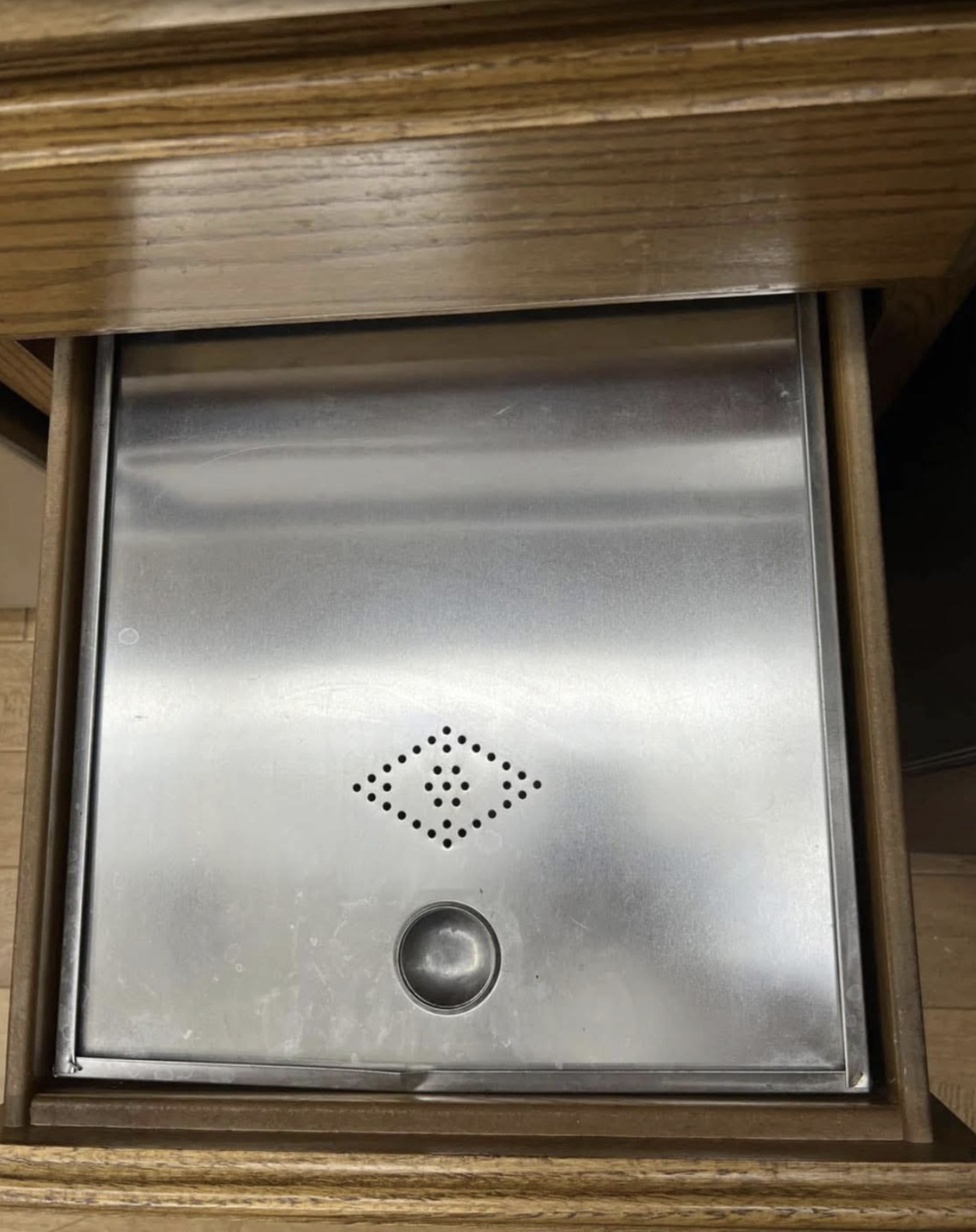
A breadbox is a storage container specifically designed to keep bread and baked goods fresh longer.
Traditional breadboxes were commonly made from:
- metal
- wood
- enamel-coated steel
- tin
- ceramic
They usually featured:
- hinged lids
- roll-top doors
- front-opening panels
and were designed to allow limited airflow while protecting bread from excessive drying or moisture.
Why Bread Needed Special Storage
Bread is delicate.
Fresh bread begins changing almost immediately after baking due to processes involving:
- moisture movement
- starch crystallization
- air exposure
Without proper storage, bread can:
- dry out
- become stale
- mold quickly
Breadboxes helped create a balanced environment that slowed these problems.
The Science Behind Bread Freshness
One reason breadboxes worked so well is because they controlled humidity more gently than modern plastic bags.
Bread freshness depends heavily on moisture balance.
Too much air exposure:
- dries bread out rapidly.
Too much trapped moisture:
- encourages mold growth.
Breadboxes created a middle ground.
Why Plastic Bags Changed Everything
Once mass-produced sliced bread became common, plastic packaging largely replaced breadboxes.
Plastic bags were:
- cheap
- convenient
- portable
- lightweight
However, they also changed bread storage behavior dramatically.
The Problem With Plastic
Plastic traps moisture extremely efficiently.
While this prevents bread from drying quickly, it can also:
- soften crusts
- encourage condensation
- speed mold growth under some conditions
This is especially noticeable with homemade bread lacking preservatives.
Bread Before Modern Packaging
Before industrial baking dominated grocery stores, bread was often:
- baked at home
- purchased fresh daily
- stored without preservatives
Breadboxes became essential because bread naturally staled faster.
Families depended on practical storage methods to reduce waste.
Why Homemade Bread Behaves Differently
Fresh homemade bread lacks many additives found in commercial loaves.
Without preservatives, homemade bread is often:
- softer initially
- more aromatic
- more flavorful
- shorter-lived
A breadbox helps preserve texture without trapping excessive moisture.
The Golden Age of Breadboxes
Breadboxes became especially common during the:
- early to mid-20th century.
They appeared in homes across America and many parts of Europe.
During this era:
- kitchen appliances became more standardized
- countertop organization mattered
- home baking remained common
The breadbox fit naturally into daily domestic life.
Why Bread Was Central to Family Meals
Bread historically served as:
- breakfast
- side dish
- sandwich base
- supper staple
- emergency meal extender
In many households, bread appeared at nearly every meal.
Keeping it fresh mattered greatly.
The Emotional Memory of Breadboxes
For many people, breadboxes trigger strong nostalgia because they are associated with:
- warm kitchens
- homemade meals
- grandparents
- after-school snacks
- weekend baking
The smell of bread itself often becomes deeply tied to memory and comfort.
Why Bread Aroma Feels So Powerful
The scent of baking bread activates emotional associations strongly because:
- smell connects closely to memory centers in the brain.
Warm bread aromas often evoke feelings of:
- safety
- comfort
- family
- home
The breadbox became part of that emotional landscape.
Metal Breadboxes vs Wooden Breadboxes
Different materials affected both appearance and function.
Metal Breadboxes
Popular because they were:
- durable
- easy to clean
- resistant to pests
- affordable
Many vintage models featured:
- bright colors
- retro designs
- roll-top lids
Wooden Breadboxes
Wood offered:
- natural insulation
- rustic appearance
- breathable storage
Wooden boxes often absorbed slight moisture fluctuations naturally.
Why Ventilation Mattered
Breadboxes were not airtight.
Small ventilation gaps helped:
- prevent condensation
- reduce mold risk
- stabilize humidity levels
This subtle airflow was key to preserving bread properly.
What People Stored Besides Bread
Breadboxes often held:
- rolls
- biscuits
- pastries
- cakes
- muffins
- cookies
In some homes they even became general kitchen storage containers.
The Decline of the Breadbox
Several cultural changes reduced breadbox popularity.
1. Processed Bread Became Dominant
Commercial bread developed:
- longer shelf life
- preservatives
- softer texture
Many people no longer needed specialized storage.
2. Kitchen Design Changed
Modern minimalist kitchens favored:
- uncluttered counters
- built-in cabinetry
- hidden storage
Large countertop breadboxes became less common.
3. Eating Habits Changed
As diets diversified and convenience foods increased, bread no longer occupied the same central role in every household.
Why Breadboxes Are Returning
Interestingly, breadboxes have experienced renewed popularity in recent years.
Several trends contributed:
- home baking revival
- sourdough popularity
- farmhouse kitchen aesthetics
- interest in reducing food waste
- appreciation for vintage kitchen tools
The Sourdough Effect
During periods of increased home baking, especially during global lockdown years, many people rediscovered:
- artisan bread
- fermentation
- homemade loaves
They quickly learned fresh bread behaves differently from packaged supermarket bread.
Breadboxes suddenly became useful again.
Why Artisan Bread Needs Better Storage
Crusty artisan loaves can become:
- rock-hard in dry air
- soggy in plastic bags
Breadboxes provide a more balanced environment.
Breadboxes and Food Waste
One reason people appreciate breadboxes today is because they may help:
- extend bread usability
- reduce unnecessary waste
Even slightly longer freshness can matter financially over time.
Modern Breadbox Designs
Today’s breadboxes range from:
- retro vintage replicas
to - sleek minimalist modern designs.
Materials now include:
- bamboo
- stainless steel
- ceramic
- eco-friendly composites
The Farmhouse Kitchen Trend
Rustic and vintage-inspired kitchens helped reintroduce breadboxes as decorative items.
Even people who rarely bake sometimes use them for:
- aesthetics
- nostalgia
- countertop organization
Do Breadboxes Actually Work?
For many types of bread:
- yes.
Especially:
- homemade bread
- artisan loaves
- crusty breads
Breadboxes can help maintain better texture balance than refrigeration or sealed plastic alone.
Why Refrigeration Often Ruins Bread
Many people refrigerate bread assuming it prolongs freshness.
Ironically, refrigeration often accelerates:
- staling texture
Cold temperatures speed starch recrystallization, making bread dry and firm faster.
Freezing vs Breadboxes
For long-term storage:
- freezing works best.
For short-term daily storage:
- breadboxes often provide better texture preservation.
Breadboxes as Symbols of Simpler Living
Part of the breadbox’s appeal today comes from what it represents emotionally:
- slower routines
- homemade meals
- intentional living
- practical traditions
In an era dominated by disposable convenience, older kitchen tools feel grounding.
Why Vintage Kitchen Items Feel Comforting
Objects associated with food preparation often carry emotional warmth because they symbolize:
- care
- nourishment
- family rituals
- domestic stability
Breadboxes belong to that category.
Cleaning and Maintaining Breadboxes
Traditional care included:
- regular crumb removal
- airing out
- wiping interior surfaces dry
This prevented:
- moisture buildup
- mold
- odors
The Breadbox as a Daily Ritual
Older kitchens often revolved around repeated small rituals:
- storing bread
- setting the table
- morning coffee
- evening leftovers
The breadbox quietly participated in these rhythms every day.
More Than Just a Container
At its core, the breadbox represents a philosophy:
- preserve food carefully
- waste less
- value simple routines
- maintain the kitchen thoughtfully
Its importance was practical, but also cultural.
Welcome to my kitchen!
I’m a passionate home cook and recipe creator who loves turning simple ingredients into delicious, comforting meals that everyone can enjoy. Through this website, I share carefully prepared recipes, practical cooking tips, and easy-to-understand food education to help you feel more confident in the kitchen.
My goal is to make cooking simple, enjoyable, and accessible. Whether you are looking for a quick family dinner, a delicious dessert, healthy meal ideas, or traditional recipes with a modern touch, you’ll find inspiration here.
More Than Just Recipes
I believe that cooking is also a way to learn. That’s why this website is not only about recipes. I also create educational articles about ingredients, cooking techniques, kitchen tips, food preparation, and the stories behind different dishes.
Each article is designed to give you useful knowledge that you can apply in your own kitchen. From understanding how ingredients work together to learning better cooking methods, my aim is to help you become a more confident and creative cook.
My Philosophy
Good food doesn’t always require complicated ingredients or professional equipment. With a little knowledge, patience, and creativity, simple ingredients can become something truly special.
I believe in sharing recipes that are practical, clearly explained, and enjoyable to make. I also love exploring new flavors while appreciating traditional cooking and the recipes passed down through generations.
Thank you for visiting my kitchen and being part of this food-loving community. I hope my recipes and articles inspire you to cook, learn, experiment, and most importantly, enjoy every bite!
Happy cooking!