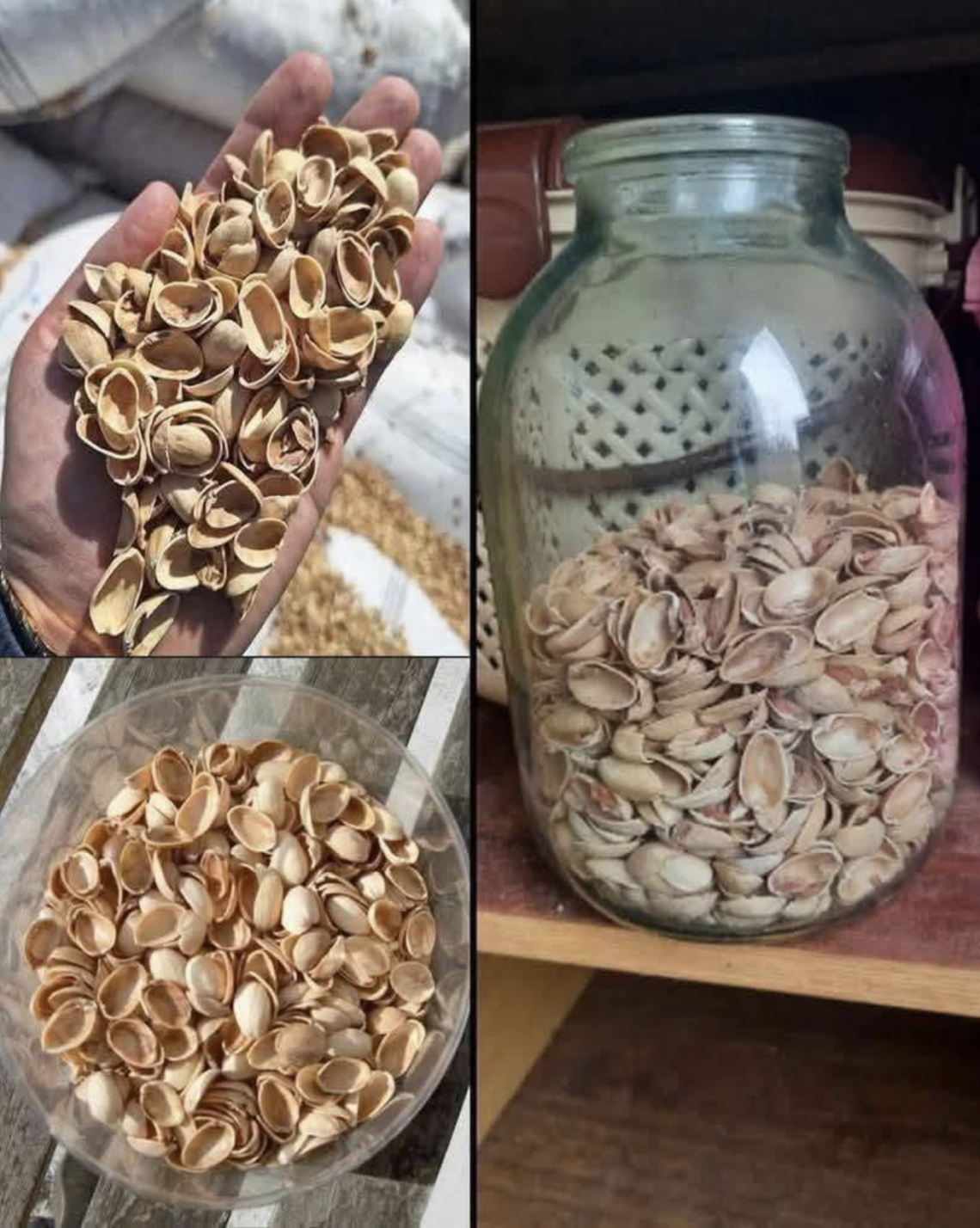
Every year, millions of pistachio shells end up in trash bins around the world. After enjoying the delicious nut inside, most people toss the hard shells away without a second thought. Yet these seemingly useless leftovers have surprising value, especially for gardeners looking for natural, sustainable ways to improve their soil and reduce waste.
Pistachio shells are tough, durable, and slow to break down, which is why they are often overlooked as a gardening resource. However, with a little preparation, they can be transformed into a useful powder that can serve several purposes in the garden. From improving soil structure to supporting composting efforts and even helping with moisture retention, crushed pistachio shells can become an unexpected ally for plants.
If you enjoy pistachios regularly, saving the shells instead of throwing them away can provide a steady supply of organic material for your garden while reducing household waste. The process is simple, inexpensive, and environmentally friendly.
Why Pistachio Shells Are Worth Saving
At first glance, pistachio shells seem too hard and woody to have much use. Their rigid structure is designed to protect the nut inside, making them resistant to quick decomposition.
This durability is actually one of their strengths.
Pistachio shells contain natural plant fibers and organic matter that can eventually break down and contribute to soil health. While they do not decompose as quickly as leaves or grass clippings, crushing them into smaller pieces or powder greatly accelerates the process.
Benefits of reusing pistachio shells include:
- reducing kitchen waste
- adding organic material to soil
- improving soil texture
- supporting compost systems
- creating environmentally friendly mulch alternatives
- promoting sustainable gardening practices
Rather than viewing shells as garbage, gardeners can treat them as a valuable natural resource.
Preparing Pistachio Shells for Garden Use
Before turning pistachio shells into powder, proper preparation is important.
Step 1: Collect the Shells
Save shells in a container as you eat pistachios.
If possible, use shells from unsalted pistachios.
Salted shells can still be used, but they should be cleaned thoroughly before adding them to the garden because excessive salt may harm plants and soil microorganisms.
Step 2: Wash the Shells
If the shells came from salted pistachios:
- place them in a large bowl
- cover with water
- stir thoroughly
- drain and repeat several times
This helps remove surface salt.
After rinsing, spread the shells on a towel or baking sheet and allow them to dry completely.
Dry shells are easier to crush and store.
Step 3: Dry Thoroughly
Moisture can encourage mold growth during storage.
Allow shells to air dry for:
- 24 to 48 hours
or place them in a warm location until completely dry.
Once dry, they are ready for grinding.
How to Turn Pistachio Shells Into Powder
Because pistachio shells are extremely hard, crushing them requires patience and the right tools.
Method 1: Heavy-Duty Blender
A strong blender may be able to break shells into small particles.
Work in small batches.
Pulse repeatedly until the shells become fine pieces.
Avoid overloading the machine.
Method 2: Food Processor
Some powerful food processors can handle dried shells.
Use short pulses rather than continuous blending.
Check frequently to avoid stressing the motor.
Method 3: Mortar and Pestle
For small amounts, a traditional mortar and pestle works well.
Although time-consuming, it allows you to control the texture precisely.
Method 4: Hammer Method
Place shells inside:
- a heavy cloth bag
- an old pillowcase
- a durable plastic bag
Then gently crush them using a hammer.
Afterward, further grind the fragments if a finer powder is desired.
Why Powder Is Better Than Whole Shells
Whole pistachio shells take a very long time to decompose.
When ground into powder or fine particles:
- surface area increases dramatically
- microorganisms can break them down faster
- nutrients become available sooner
- soil integration improves
Powdered shells mix more easily into garden soil and compost piles.
Using Pistachio Shell Powder in the Garden
Once your shells have been transformed into powder, there are several practical ways to use them.
1. Soil Amendment
One of the most common uses is as a soil amendment.
Mixed into garden beds, the powder contributes organic material that helps improve soil structure over time.
Potential benefits include:
- better aeration
- improved drainage
- increased microbial activity
- enhanced soil texture
Although pistachio shell powder is not a fast-acting fertilizer, it contributes to long-term soil health.
2. Compost Booster
Pistachio shell powder can be added directly to compost piles.
Because the particles are much smaller than whole shells, decomposition occurs more quickly.
In compost, the powder provides:
- carbon-rich material
- structure
- additional organic matter
To maintain a balanced compost pile, combine shell powder with nitrogen-rich materials such as:
- grass clippings
- vegetable scraps
- coffee grounds
This balance helps microorganisms work efficiently.
3. Mulch Enhancement
Fine shell particles can be incorporated into mulch around plants.
Benefits may include:
- helping retain moisture
- reducing soil compaction
- supporting gradual organic matter accumulation
Unlike synthetic mulches, shell powder eventually becomes part of the soil ecosystem.
4. Improving Heavy Clay Soil
Gardeners with clay-heavy soil often struggle with poor drainage.
Adding organic materials helps loosen dense soil over time.
Pistachio shell powder contributes texture and encourages a more crumbly soil structure.
Although it is not an instant solution, repeated applications can gradually improve growing conditions.
5. Supporting Beneficial Soil Life
Healthy gardens depend on soil organisms such as:
- bacteria
- fungi
- earthworms
- beneficial insects
As shell powder decomposes, it becomes part of the organic cycle that supports these living systems.
A biologically active soil environment is essential for strong plant growth.
6. Container Gardening
Small amounts of shell powder can be mixed into potting mixes for container plants.
This may help:
- improve aeration
- support drainage
- contribute organic matter
Use modest quantities and combine with quality potting soil for best results.
Environmental Benefits of Reusing Pistachio Shells
Repurposing pistachio shells offers advantages beyond the garden.
Reduces Waste
Every shell reused is one less item entering landfills.
Small actions across many households can significantly reduce waste streams.
Supports Sustainable Gardening
Using recycled organic materials reduces dependence on purchased products and promotes environmentally responsible gardening practices.
Encourages Resourcefulness
Reusing kitchen by-products teaches a valuable lesson:
Many items commonly considered waste still have useful purposes.
Other Creative Garden Uses for Pistachio Shells
Even if you do not grind them into powder, pistachio shells have several additional applications.
Drainage Layer for Pots
Whole shells can be placed at the bottom of plant containers.
This helps:
- reduce soil loss through drainage holes
- improve water movement
Decorative Pathways
Crushed shells can be used as a natural pathway material in certain garden settings.
Weed Suppression
A layer of crushed shells around plants may help discourage some weed growth by creating a physical barrier.
Raised Bed Filler
Coarsely crushed shells can be mixed into raised beds as part of the organic matter component.
Common Mistakes to Avoid
Using Salted Shells Without Washing
Excess salt can negatively affect soil and plant health.
Always rinse salted shells thoroughly.
Applying Too Much at Once
Shell powder should supplement soil rather than replace it.
Moderation is important.
Expecting Immediate Results
Pistachio shell powder works gradually.
Benefits develop over time as decomposition occurs.
Using Moldy Shells
Only use clean, dry shells.
Discard any that show signs of mold or spoilage.
The Science Behind Slow Decomposition
Pistachio shells are composed largely of lignin and cellulose, two compounds that provide strength to plant materials.
These substances naturally resist rapid breakdown.
Grinding the shells:
- increases exposed surface area
- improves microbial access
- accelerates decomposition
This is why powder performs much better than intact shells in garden applications.

Welcome to my kitchen!
I’m a passionate home cook and recipe creator who loves turning simple ingredients into delicious, comforting meals that everyone can enjoy. Through this website, I share carefully prepared recipes, practical cooking tips, and easy-to-understand food education to help you feel more confident in the kitchen.
My goal is to make cooking simple, enjoyable, and accessible. Whether you are looking for a quick family dinner, a delicious dessert, healthy meal ideas, or traditional recipes with a modern touch, you’ll find inspiration here.
More Than Just Recipes
I believe that cooking is also a way to learn. That’s why this website is not only about recipes. I also create educational articles about ingredients, cooking techniques, kitchen tips, food preparation, and the stories behind different dishes.
Each article is designed to give you useful knowledge that you can apply in your own kitchen. From understanding how ingredients work together to learning better cooking methods, my aim is to help you become a more confident and creative cook.
My Philosophy
Good food doesn’t always require complicated ingredients or professional equipment. With a little knowledge, patience, and creativity, simple ingredients can become something truly special.
I believe in sharing recipes that are practical, clearly explained, and enjoyable to make. I also love exploring new flavors while appreciating traditional cooking and the recipes passed down through generations.
Thank you for visiting my kitchen and being part of this food-loving community. I hope my recipes and articles inspire you to cook, learn, experiment, and most importantly, enjoy every bite!
Happy cooking!