How a Strange White Shape on a Car Turned Into a Generational Pop-Culture Moment
We’ve all experienced that strange moment of visual confusion:
you see a symbol, logo, or sticker somewhere in public and immediately think:
“What is that supposed to be?”
Sometimes it’s modern slang.
Sometimes it’s fashion.
Sometimes it’s internet humor.
And sometimes, it’s a harmless little car sticker that accidentally becomes a full-blown mystery.
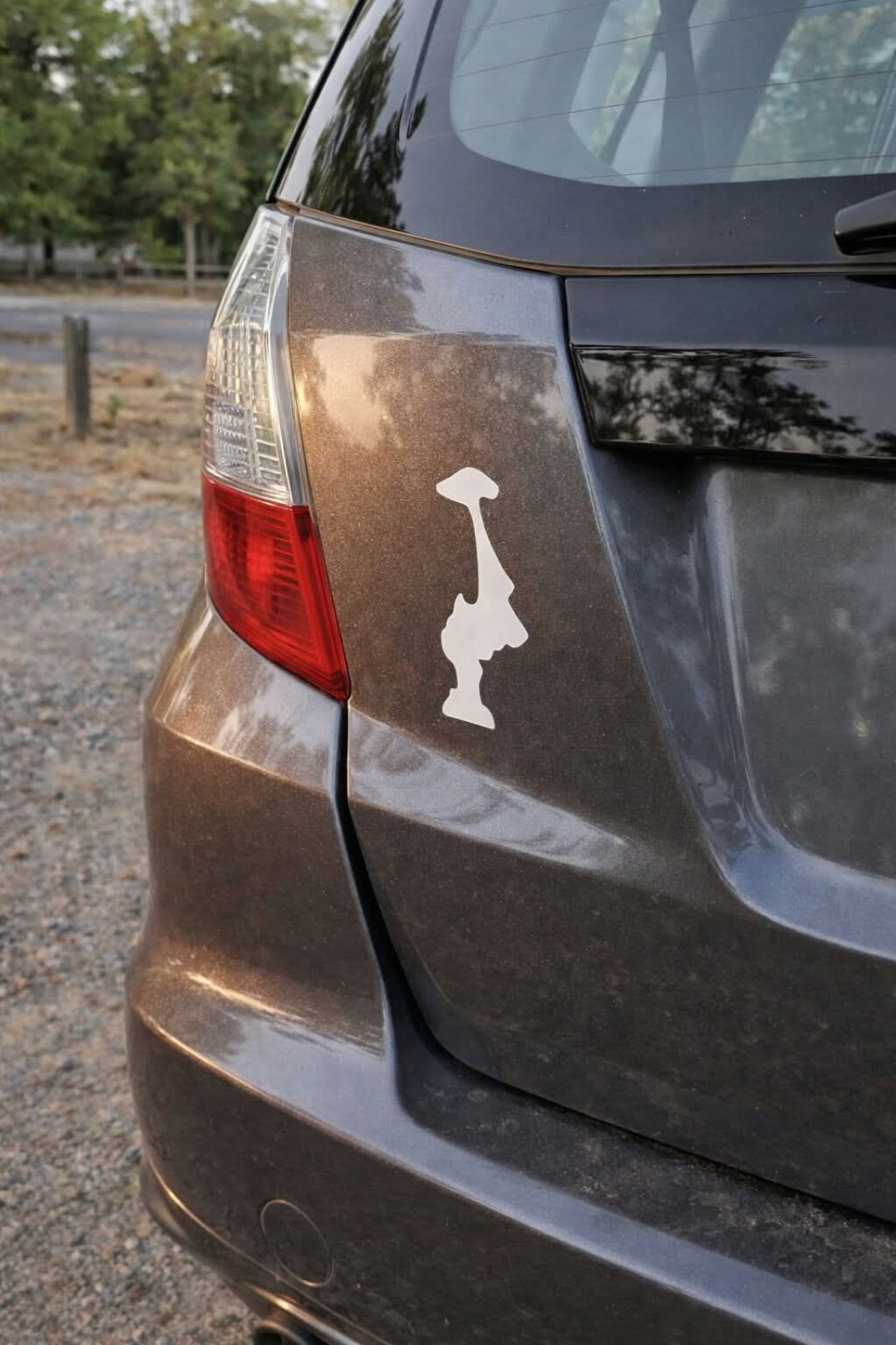
That’s exactly what happened when one grandfather spotted a strange white silhouette attached to the back of a car. The shape looked unusual:
- rounded and abstract
- oddly organic
- almost like a tiny ghost or blob
- with a strange stem-like extension on top
Completely puzzled, he snapped a picture and asked the internet for help.
Theories flooded in almost instantly.
People guessed:
- a map outline
- an alien figure
- a cartoon creature
- a strange mascot
- or even a minimalist art design
But gamers recognized it immediately.
The “mysterious” sticker was actually:
a Pikmin.
And suddenly, a tiny gaming character became the center of a wholesome internet moment about generations, nostalgia, and how pop culture evolves over time.
What Exactly Is a Pikmin?
A Pikmin is a small fictional creature from the Pikmin franchise created by Nintendo.
The creatures are known for their:
- tiny bodies
- leaf or flower sprouts growing from their heads
- large expressive eyes
- plant-like appearance
To longtime gamers, they are instantly recognizable.
To people unfamiliar with gaming culture, however, they can look completely bizarre and abstract—especially when reduced to a minimalist sticker silhouette.
The Origins of Pikmin
The Pikmin franchise first appeared in 2001 on the Nintendo GameCube.
The games combined:
- strategy
- exploration
- puzzle-solving
- resource management
Players control a tiny astronaut who commands groups of Pikmin creatures to:
- carry objects
- fight enemies
- solve environmental puzzles
- collect resources
The concept was unusual, charming, and visually memorable.
Why the Character Design Looks So Strange to Non-Gamers
Pikmin were intentionally designed to look:
- simple
- organic
- almost plant-animal hybrids
Their silhouette is extremely recognizable to fans because of:
- the oversized head
- tiny body
- stem growing upward
But without context, the design can easily appear random or confusing.
This is especially true in:
- sticker form
- monochrome outlines
- minimalist decals
What gamers instantly identify as “cute” may look like complete nonsense to someone outside gaming culture.
The Funny Generational Gap
Part of what made this story resonate online was the generational contrast.
For younger people—or adults who grew up with Nintendo games—the sticker seemed obvious.
For older generations, however, modern gaming mascots can feel completely unfamiliar.
This creates funny moments where:
- grandparents misunderstand memes
- parents confuse gaming characters
- younger people suddenly realize how niche their interests actually are
It’s the same reason older adults sometimes ask:
- “Who is that Pokémon?”
- “Why is everyone wearing this symbol?”
- “Why does that cartoon look unfinished?”
Pop culture references only feel “obvious” if you grew up surrounded by them.
Why Car Stickers Have Become Modern Identity Symbols
Car decals and stickers often function as:
- personal expression
- fandom signals
- subtle identity markers
People place them on vehicles to represent:
- hobbies
- gaming interests
- sports teams
- humor
- music tastes
- internet culture
To fans of Pikmin, the sticker instantly communicates:
- nostalgia
- affection for Nintendo
- gaming culture recognition
It becomes a quiet way of saying:
“I’m part of this community.”
Why Nintendo Characters Create Strong Nostalgia
Nintendo franchises are deeply nostalgic for many people because they’re tied to:
- childhood memories
- family gaming nights
- friendships
- growing up alongside certain consoles
Characters like:
- Mario
- Zelda
- Kirby
- Pikmin
carry emotional associations far beyond the games themselves.
For many adults, seeing these symbols triggers memories of:
- after-school gaming
- sleepovers
- holidays
- simpler times
The Internet Loves “Mystery Object” Stories
Stories like this spread quickly online because they combine:
- humor
- curiosity
- nostalgia
- generational misunderstanding
People love the feeling of:
- solving a mystery
- recognizing something obscure
- explaining internet culture to others
And there’s something wholesome about harmless confusion rather than conflict.
Why Minimalist Designs Confuse People
Modern logos and character designs increasingly rely on:
- silhouettes
- simplified shapes
- abstract branding
This works well for people already familiar with the reference—but can appear incomprehensible to outsiders.
A Pikmin silhouette without color or detail loses many recognizable features.
Without context, the brain searches for familiar patterns:
- maps
- blobs
- symbols
- animals
That’s why people guessed wildly different answers.
The Enduring Popularity of Pikmin
Despite never becoming as massive as franchises like Mario or Pokémon, Pikmin developed a loyal fanbase because of its:
- unique atmosphere
- relaxing gameplay
- emotional tone
- charming visual style
Over the years, the series expanded across multiple Nintendo systems and became one of Nintendo’s most beloved cult franchises.
Why These Moments Matter More Than They Seem
Stories like this may feel trivial, but they quietly reflect something bigger:
how quickly culture changes.
Every generation has symbols, characters, and references that feel universally recognizable—until they suddenly aren’t.
One person sees:
- a beloved childhood game character
Another sees:
- an incomprehensible white blob.
That gap between recognition and confusion is part of what makes modern culture so fascinating.

Welcome to my kitchen!
I’m a passionate home cook and recipe creator who loves turning simple ingredients into delicious, comforting meals that everyone can enjoy. Through this website, I share carefully prepared recipes, practical cooking tips, and easy-to-understand food education to help you feel more confident in the kitchen.
My goal is to make cooking simple, enjoyable, and accessible. Whether you are looking for a quick family dinner, a delicious dessert, healthy meal ideas, or traditional recipes with a modern touch, you’ll find inspiration here.
More Than Just Recipes
I believe that cooking is also a way to learn. That’s why this website is not only about recipes. I also create educational articles about ingredients, cooking techniques, kitchen tips, food preparation, and the stories behind different dishes.
Each article is designed to give you useful knowledge that you can apply in your own kitchen. From understanding how ingredients work together to learning better cooking methods, my aim is to help you become a more confident and creative cook.
My Philosophy
Good food doesn’t always require complicated ingredients or professional equipment. With a little knowledge, patience, and creativity, simple ingredients can become something truly special.
I believe in sharing recipes that are practical, clearly explained, and enjoyable to make. I also love exploring new flavors while appreciating traditional cooking and the recipes passed down through generations.
Thank you for visiting my kitchen and being part of this food-loving community. I hope my recipes and articles inspire you to cook, learn, experiment, and most importantly, enjoy every bite!
Happy cooking!