Mongolian-style dishes are beloved for their bold, savory-sweet flavors and fast cooking times. This Mongolian Ground Beef Noodles recipe brings that same flavor straight to your kitchen using simple ingredients and minimal prep.
Tender noodles are tossed with ground beef cooked in a garlic-ginger soy sauce mixture, balanced with a touch of sweetness and a hint of spice. The result is a hearty, comforting dish that comes together in under 30 minutes, perfect for busy weeknights.
It’s the kind of meal that’s satisfying, full of umami, and makes your kitchen smell irresistible — without complicated sauces or long marinating times.
Why You’ll Love This Recipe
- Fast and easy – ready in 25–30 minutes.
- One-pan cooking – minimal cleanup.
- Sweet and savory – the perfect balance of flavors.
- Customizable – add vegetables like bell peppers, broccoli, or carrots.
- Kid-friendly and family-friendly – simple flavors with big appeal.
Ingredients
For the Noodles:
-
Egg noodles – 8 ounces (about half a standard package), cooked according to package directions and drained
- Can substitute with spaghetti, rice noodles, or lo mein noodles.
- Sesame oil – 1 teaspoon, optional, for tossing noodles at the end
For the Mongolian Ground Beef:
-
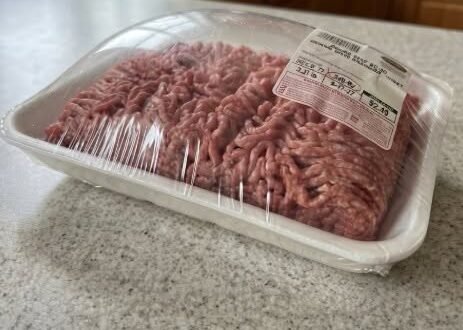
Ground beef – 1 pound (85% lean recommended)
- Provides savory richness and protein.
- Vegetable oil – 1–2 tablespoons, for cooking
-
Garlic – 3 cloves, minced
- Fresh garlic is key for depth of flavor.
-
Ginger – 1 tablespoon, minced or grated
- Adds warmth and aromatic complexity.
-
Soy sauce – ½ cup
- Provides umami and saltiness. Use low-sodium for a lighter flavor.
-
Brown sugar – ¼ cup
- Adds sweetness to balance the soy sauce and deepen flavor.
-
Hoisin sauce – 2 tablespoons, optional
- Adds a slightly sweet, smoky note. Can be omitted if not available.
-
Green onions – 3–4 stalks, sliced thinly
- Adds freshness and color. Reserve some for garnish.
-
Red pepper flakes – ¼ teaspoon, optional
- Adds mild heat; adjust to taste.
Optional Add-ins:
- Broccoli florets, bell pepper strips, or snap peas – 1 cup, lightly steamed or stir-fried
- Toasted sesame seeds – for garnish
Step-by-Step Instructions
Step 1: Cook the Noodles
Bring a pot of salted water to a boil and cook the egg noodles according to the package instructions until al dente. Drain, toss with a teaspoon of sesame oil if desired, and set aside. This prevents the noodles from sticking while you cook the beef mixture.
Step 2: Brown the Ground Beef
Heat a large skillet or wok over medium-high heat. Add 1–2 tablespoons of vegetable oil. Once hot, add the ground beef and cook for 5–7 minutes, breaking it apart with a spatula, until browned and cooked through.
Drain excess fat if necessary, leaving just enough to coat the meat.
Browning the beef properly is important to develop savory flavor and texture.
Step 3: Cook the Aromatics
Reduce heat to medium. Push the beef to one side of the skillet or make a well in the center. Add the garlic and gingerand sauté for 30–45 seconds until fragrant.
Be careful not to burn them, as burnt garlic becomes bitter.
Step 4: Make the Sauce
Add the soy sauce, brown sugar, and optional hoisin sauce to the skillet. Stir everything together and allow the sauce to simmer gently for 1–2 minutes, so the sugar dissolves and the sauce thickens slightly.
Taste and adjust: add more soy sauce for saltiness, more sugar for sweetness, or a pinch of red pepper flakes for heat.
Step 5: Add Noodles and Vegetables
Add the cooked noodles and any optional vegetables to the skillet. Toss everything together until the noodles are coated in the sauce and the vegetables are heated through.
Fold in most of the sliced green onions, reserving some for garnish.
If the noodles seem dry, add a splash of water or extra soy sauce to loosen the sauce.
Step 6: Garnish and Serve
Transfer the noodles to serving plates or a large platter. Sprinkle the remaining green onions and optional toasted sesame seeds on top.
Serve immediately while hot. This dish pairs beautifully with a simple cucumber salad, steamed vegetables, or even some pickled carrots for brightness.
Tips for Perfect Mongolian Ground Beef Noodles
- Use fresh aromatics: Garlic and ginger are the backbone of flavor. Mince or grate them just before cooking.
- Control sweetness: Brown sugar balances the soy sauce. Adjust based on your taste preference.
- Don’t overcook noodles: Slightly undercook them if you’re stir-frying later — they will finish cooking in the sauce.
- Add vegetables last: Lightly steamed or raw veggies can be tossed in at the end to retain color, texture, and nutrition.
- One-pan option: You can cook noodles separately or directly in the sauce if using fresh pasta for fewer dishes.
Variations
- Chicken or Turkey: Swap ground beef for ground chicken or turkey for a leaner option.
- Vegetarian: Use crumbled tofu or tempeh instead of meat and add more vegetables like mushrooms and zucchini.
- Spicy Version: Add more red pepper flakes, Sriracha, or fresh chili slices for heat.
- Sauce Boost: For a thicker sauce, dissolve 1 teaspoon of cornstarch in 2 tablespoons of water and stir into the simmering sauce.
Storage
- Refrigerate: Store in an airtight container for up to 3 days. Reheat in a skillet over medium heat or in the microwave.
- Freeze: Store in a freezer-safe container for up to 1 month. Thaw overnight in the refrigerator and reheat before serving.
Serving Suggestions
- Pair with steamed broccoli, bok choy, or stir-fried vegetables for a complete meal.
- Serve over rice instead of noodles for a different texture.
- Garnish with fresh cilantro, sliced chili, or a drizzle of sesame oil for extra flavor.
Final Thoughts
This Mongolian Ground Beef Noodles recipe is a fast, flavorful, and satisfying weeknight dinner. It’s packed with umami, sweet-savory balance, and tender noodles that soak up every bit of sauce.
The dish is versatile, customizable, and approachable even for beginner cooks. It’s a reliable recipe that works for a busy weeknight, a family dinner, or even meal prep for the week.
With minimal prep, simple ingredients, and a rich, bold flavor profile, this Mongolian noodle dish becomes a favorite in any household.
Welcome to my kitchen!
I’m a passionate home cook and recipe creator who loves turning simple ingredients into delicious, comforting meals that everyone can enjoy. Through this website, I share carefully prepared recipes, practical cooking tips, and easy-to-understand food education to help you feel more confident in the kitchen.
My goal is to make cooking simple, enjoyable, and accessible. Whether you are looking for a quick family dinner, a delicious dessert, healthy meal ideas, or traditional recipes with a modern touch, you’ll find inspiration here.
More Than Just Recipes
I believe that cooking is also a way to learn. That’s why this website is not only about recipes. I also create educational articles about ingredients, cooking techniques, kitchen tips, food preparation, and the stories behind different dishes.
Each article is designed to give you useful knowledge that you can apply in your own kitchen. From understanding how ingredients work together to learning better cooking methods, my aim is to help you become a more confident and creative cook.
My Philosophy
Good food doesn’t always require complicated ingredients or professional equipment. With a little knowledge, patience, and creativity, simple ingredients can become something truly special.
I believe in sharing recipes that are practical, clearly explained, and enjoyable to make. I also love exploring new flavors while appreciating traditional cooking and the recipes passed down through generations.
Thank you for visiting my kitchen and being part of this food-loving community. I hope my recipes and articles inspire you to cook, learn, experiment, and most importantly, enjoy every bite!
Happy cooking!