A Deep, Detailed Guide on Natural Ways to Deter Snakes From Your Home
Snakes are often misunderstood animals. Most are not aggressive and actually avoid humans whenever possible. When they appear near homes, it is usually because they are following food sources (like rodents), searching for cool shade, or looking for water.
While snakes do not “hunt” based on smell the way mammals do, they strongly rely on their forked tongues and Jacobson’s organ to detect chemical signals in the environment. This means certain strong or irritating odors can make an area uncomfortable for them, encouraging them to move away.
However, it is important to understand one key truth:
No smell is a guaranteed snake repellent. These methods can discourage snakes, but they do not replace proper prevention like sealing entry points and removing food sources.
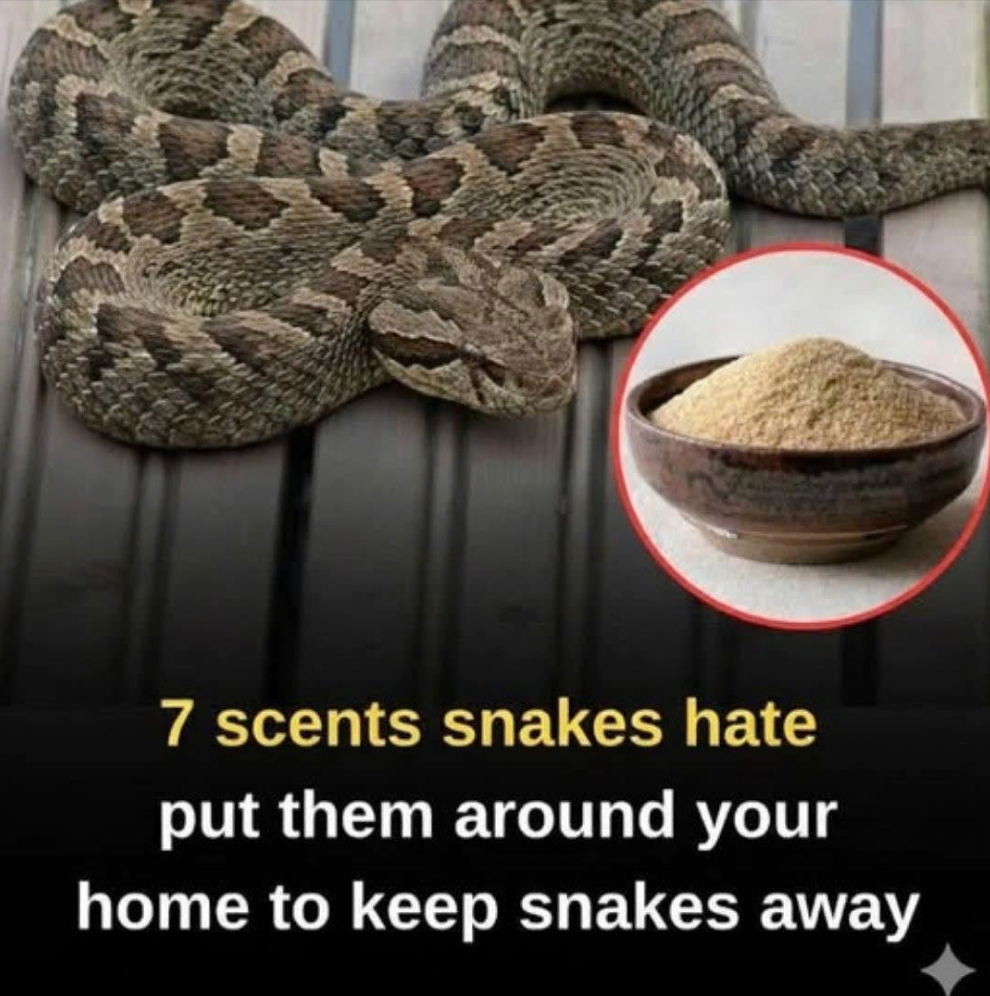
With that in mind, let’s explore 7 commonly discussed smells and how they are believed to affect snake behavior.
1. Strong Ammonia Smell
Why it works (the theory)
Ammonia has a very strong, sharp odor that can irritate the sensitive sensory system snakes use to interpret their environment.
Snakes rely heavily on chemical detection, so overpowering smells may cause them to avoid the area.
How people use it
- Soak cloths or cotton balls in ammonia
- Place them in containers near possible entry points
- Position near garages, sheds, or garden edges
Important caution
Ammonia is:
- Toxic in high concentrations
- Harmful to pets and humans if misused
It should never be used in enclosed or poorly ventilated areas.
2. Vinegar (Acetic Acid Smell)
Why snakes may avoid it
Vinegar has a strong acidic odor that can interfere with scent tracking. It creates an unpleasant chemical environment for many animals.
How it’s used
- Sprayed around outdoor perimeters
- Applied near cracks, corners, and garden edges
- Mixed with water for broader coverage
Limitations
- Evaporates quickly
- Needs frequent reapplication
- Works best as a temporary deterrent
3. Sulfur-Based Smells
Why sulfur is disliked
Sulfur compounds produce a rotten, harsh smell that many animals avoid.
It is often associated with:
- Decaying organic matter
- Unpleasant natural environments
How it is applied
- Commercial sulfur-based powders
- Sprinkled around garden boundaries
- Used in dry soil areas
Important note
- Strong odor for humans as well
- Should be used outdoors only
4. Naphthalene (Mothball Smell)
Why it is used
Naphthalene has a strong chemical odor that can overwhelm scent receptors.
Historically, it has been used in pest control, including attempts to deter snakes.
Common application
- Placed in outdoor storage areas
- Used near sheds or crawl spaces
Serious warning
- Toxic if inhaled in large amounts
- Dangerous for children and pets
- Not recommended in many modern safety guidelines
5. Garlic and Onion Smells
Why they are believed to work
Garlic and onions contain sulfur compounds that produce strong, pungent odors.
These smells:
- Interfere with scent tracking
- Create an unfamiliar chemical environment
How people use them
- Crushed garlic placed near entry points
- Onion extracts sprayed in gardens
- Homemade mixtures with water
Realistic expectation
- Mild deterrent effect at best
- Works better as part of general yard maintenance
6. Essential Oils (Clove, Cinnamon, Peppermint)
Why these are used
Strong essential oils produce concentrated aromatic compounds that can overwhelm sensitive sensory systems.
Common examples:
- Clove oil
- Cinnamon oil
- Peppermint oil
How they are applied
- Mixed with water and sprayed around perimeters
- Soaked cotton balls placed near entry points
Benefits
- Pleasant for humans
- Easy to apply
- Often used in natural pest-control routines
Limitations
- Evaporate quickly
- Require frequent reapplication
- Effectiveness varies widely
7. Smoke or Burned Organic Smell
Why it may repel snakes
Smoke creates a strong, unfamiliar environmental signal. In nature, smoke often signals:
- Fire danger
- Habitat disruption
Snakes typically avoid unstable environments.
How it appears in practice
- Controlled outdoor burning areas (where legal)
- Smoke from outdoor cooking or fire pits
Important note
- Not a practical long-term solution
- Should never be used intentionally as a repellent strategy
What Actually Attracts Snakes (More Important Than Smells)
Understanding repellents is useful, but prevention is more effective.
Snakes are usually attracted by:
1. Food Sources
- Rodents (rats, mice)
- Frogs or insects
2. Shelter
- Tall grass
- Wood piles
- Rock piles
- Cluttered gardens
3. Water
- Leaky pipes
- Standing water
- Irrigated areas
If these conditions exist, snakes may appear regardless of smell-based deterrents.
The Most Effective Snake Prevention Strategy
Instead of relying on smells alone, combine multiple approaches:
1. Keep Your Yard Clean
- Remove debris
- Trim grass regularly
- Eliminate clutter
2. Seal Entry Points
- Gaps in doors
- Holes in walls
- Cracks near foundations
3. Control Rodents
- Store food properly
- Use traps if necessary
- Reduce hiding spots
4. Remove Water Sources
- Fix leaks
- Empty standing water
Important Reality Check
While natural smells are often promoted online as snake repellents, scientific evidence is limited. Snakes are:
- Highly adaptable
- Driven more by survival needs than smell avoidance alone
This means:
No smell alone will permanently keep snakes away if the environment is attractive to them.