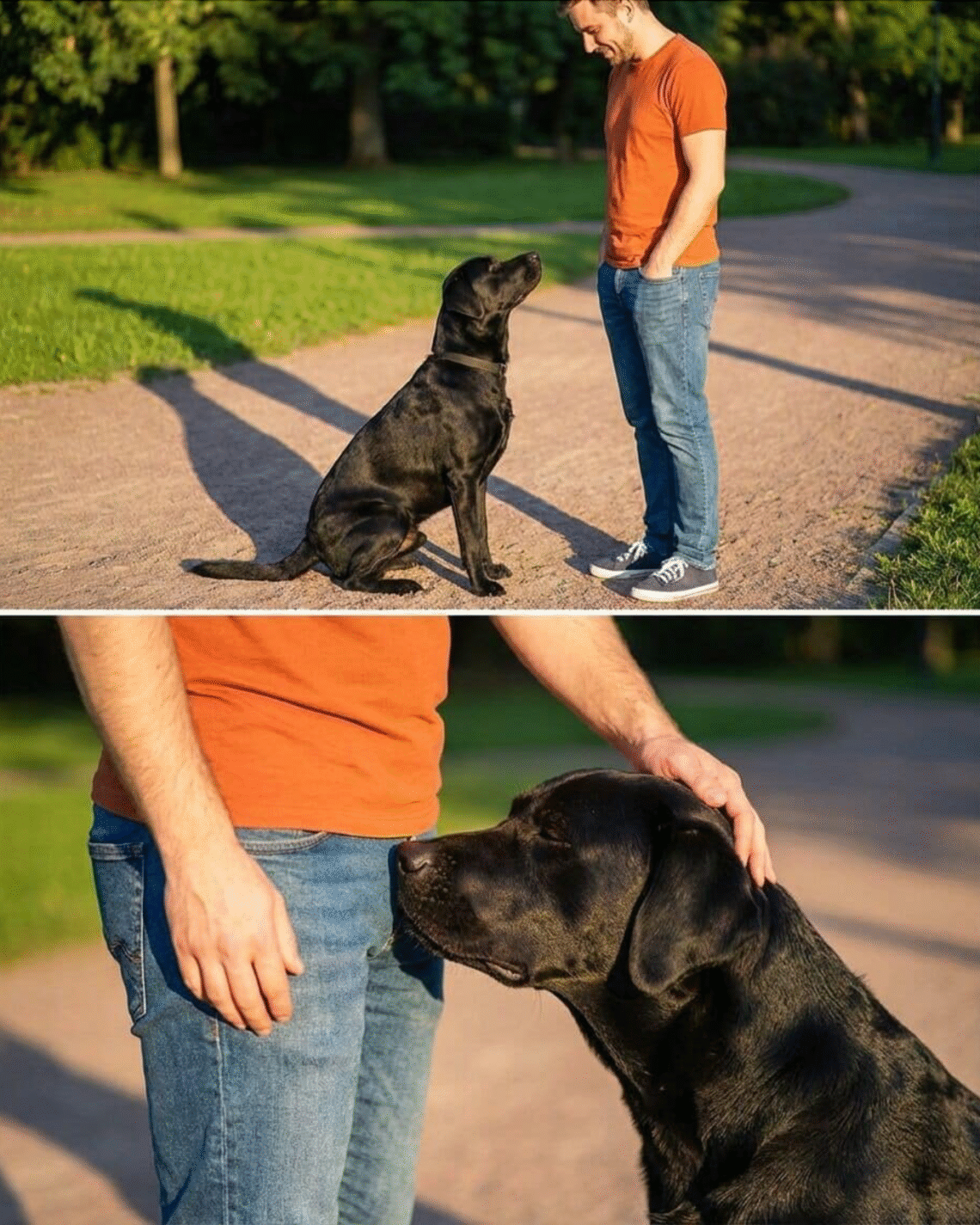
If you’ve ever spent time around dogs, you’ve probably experienced it.
You’re standing there, minding your own business… and suddenly, a dog approaches and starts sniffing you in places that might feel awkward or unexpected.
It might seem strange, embarrassing, or even funny—but for dogs, this behavior is completely normal. In fact, it’s one of the most important ways they understand the world.
What looks like odd behavior to us is actually a powerful form of communication and information gathering.
Let’s explore in detail what’s really going on.
1. A Dog’s Nose Is Its Superpower
To understand this behavior, you first need to understand just how powerful a dog’s sense of smell is.
Dogs experience the world primarily through scent, not sight.
- Humans have about 5–6 million scent receptors
- Dogs have up to 300 million
That means a dog’s nose is not just better than ours—it’s on a completely different level.
The part of a dog’s brain dedicated to processing smells is also much larger than in humans. This allows them to detect incredibly subtle chemical signals that we don’t even know exist.
So when a dog sniffs, it’s not just “smelling”—it’s analyzing.
2. Why Dogs Focus on Certain Areas
Dogs often sniff areas like:
- Hands
- Feet
- Armpits
- Groin area
This is not random.
These parts of the body produce more sweat and natural odors. Sweat contains chemical compounds that carry information about a person.
Dogs are especially interested in these areas because they provide the strongest scent signals.
3. The Role of the Vomeronasal Organ
One of the most fascinating parts of a dog’s biology is something called the vomeronasal organ (also known as Jacobson’s organ).
This specialized organ allows dogs to detect pheromones—chemical signals that carry information between living beings.
Through this system, dogs can detect:
- Emotional states (stress, fear, calmness)
- Biological information
- Hormonal changes
So when a dog sniffs you, it may actually be “reading” information about how you feel.
4. Dogs Are Gathering Information About You
When a dog sniffs you, it’s asking questions like:
- Who are you?
- Have we met before?
- Are you friendly or nervous?
- Where have you been?
Your scent carries a story.
For example:
- If you have another pet at home, a dog can smell it
- If you’ve been outside, they can detect environmental scents
- If you’re stressed, your body chemistry changes—and they can notice
This is how dogs build a mental profile of people and environments.
5. It’s Their Version of a Handshake
Among dogs, sniffing is a normal greeting behavior.
When dogs meet each other, they often sniff each other’s rear area. This might seem strange to humans, but it’s actually their version of:
“Hello, nice to meet you.”
The same instinct applies when they interact with humans.
They are not trying to embarrass you—they are simply communicating in the only way they know.
6. Why Some Dogs Do It More Than Others
Not all dogs behave the same way.
Some factors that influence this behavior include:
Breed
Certain breeds, especially scent hounds, rely heavily on smell and are more likely to sniff intensely.
Training
Dogs that are trained to greet calmly may do less sniffing.
Personality
Curious or energetic dogs tend to explore more through scent.
7. Emotional Detection: Dogs Can Sense Feelings
One of the most surprising discoveries is that dogs can detect human emotions through smell.
They can pick up on chemical changes related to:
- Fear
- Anxiety
- Happiness
Studies have shown that dogs behave differently depending on the scent signals they receive.
For example:
- A nervous person may attract more sniffing
- A calm person may receive a relaxed response
This explains why dogs sometimes react strongly to certain individuals.
8. When This Behavior Becomes Uncomfortable
Even though this behavior is natural, it can sometimes feel awkward, especially in social situations.
If a dog is sniffing too much, it can be gently redirected.
Effective approaches include:
- Moving slightly away
- Giving the dog a command (if trained)
- Distracting it with a toy or treat
It’s important not to punish the dog harshly, because this behavior is instinctive, not bad behavior.
9. Should You Be Concerned?
In most cases, no.
Sniffing is:
- Normal
- Healthy
- Necessary for dogs
However, if a dog becomes overly fixated or behaves aggressively, it may be worth consulting a trainer or veterinarian.
10. Fun Facts About Dogs and Smell
- Dogs can smell diseases in some cases
- They can track scents that are days old
- Each person has a unique scent “signature”
- Dogs can even detect changes in blood sugar levels
Their sense of smell is so advanced that it’s used in:
- Search and rescue missions
- Medical detection
- Law enforcement
11. How Humans Misunderstand This Behavior
Many people interpret sniffing as:
- Rude
- Strange
- Random
But in reality, it’s:
- Logical
- Purposeful
- Highly intelligent
Dogs are not being inappropriate—they are simply using their natural abilities.

Welcome to my kitchen!
I’m a passionate home cook and recipe creator who loves turning simple ingredients into delicious, comforting meals that everyone can enjoy. Through this website, I share carefully prepared recipes, practical cooking tips, and easy-to-understand food education to help you feel more confident in the kitchen.
My goal is to make cooking simple, enjoyable, and accessible. Whether you are looking for a quick family dinner, a delicious dessert, healthy meal ideas, or traditional recipes with a modern touch, you’ll find inspiration here.
More Than Just Recipes
I believe that cooking is also a way to learn. That’s why this website is not only about recipes. I also create educational articles about ingredients, cooking techniques, kitchen tips, food preparation, and the stories behind different dishes.
Each article is designed to give you useful knowledge that you can apply in your own kitchen. From understanding how ingredients work together to learning better cooking methods, my aim is to help you become a more confident and creative cook.
My Philosophy
Good food doesn’t always require complicated ingredients or professional equipment. With a little knowledge, patience, and creativity, simple ingredients can become something truly special.
I believe in sharing recipes that are practical, clearly explained, and enjoyable to make. I also love exploring new flavors while appreciating traditional cooking and the recipes passed down through generations.
Thank you for visiting my kitchen and being part of this food-loving community. I hope my recipes and articles inspire you to cook, learn, experiment, and most importantly, enjoy every bite!
Happy cooking!