The Surprising Science Behind One of the Most Powerful Animal Senses
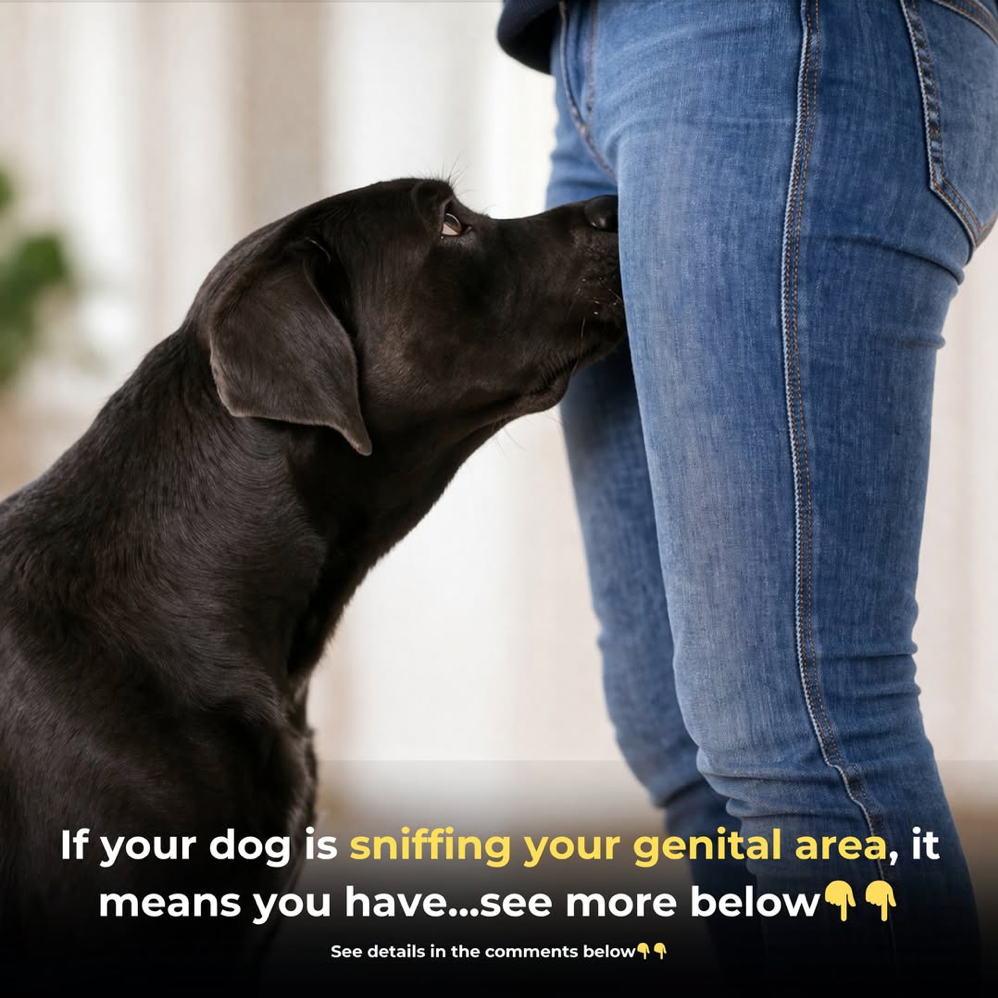
Dogs are famous for their noses. They stop during walks, investigate the ground, sniff trees, walls, other dogs, and sometimes even people in very specific places. To humans, this can seem random, awkward, or overly curious. But for dogs, sniffing is not just behavior—it is communication, mapping, memory, and survival all at once.
To truly understand why dogs sniff certain areas, we need to enter the world of scent. In that world, everything has meaning, and nothing is accidental.
1. A Dog’s Nose Is Their Primary Way of Understanding the World
Humans rely mostly on vision. Dogs rely on smell.
The scale difference is enormous:
- Humans: about 5–6 million scent receptors
- Dogs: between 200–300 million scent receptors (depending on breed)
But it’s not just about quantity. Dogs also have:
- A much larger part of the brain dedicated to smell
- A specialized organ called the vomeronasal organ (Jacobson’s organ) that detects pheromones
- The ability to separate layered scents like a “3D smell map”
What this means in practice:
When a dog sniffs an area, they are not just smelling “something happened here.” They are detecting:
- Who was there
- How long ago they were there
- Their emotional state (stress, excitement, fear)
- Their gender, health, and even diet
- Whether other animals passed through afterward
To a dog, smell is not vague—it is detailed information.
2. Sniffing Is Communication, Not Just Curiosity
Dogs don’t just smell to explore. They also “read messages” left behind by other animals.
Scent marking: nature’s social media
When dogs sniff certain areas—like:
- Trees
- Fire hydrants
- Grass patches
- Corners of streets
They are reading scent markers left by other dogs.
These markers contain:
- Identity information (like a signature)
- Gender and reproductive status
- Emotional state
- Time of visit
So when a dog stops and sniffs a pole for a long time, it is essentially reading a detailed “update” from another dog.
3. Why Dogs Sniff Other Dogs So Intensely
This is the behavior most people notice—and sometimes find uncomfortable.
Dogs often sniff:
- The rear area of other dogs
- The face
- The ears
While humans see this as strange, it is actually the most information-rich zone for dogs.
Why the rear area specifically?
Dogs have scent glands near:
- The anus
- Genital area
These glands release chemical signals called pheromones.
These signals tell a dog:
- Age
- Sex
- Health condition
- Emotional state
- Whether the dog is familiar or a stranger
To a dog, this is like reading an identity card instantly.
4. Why Dogs Sniff Humans in Certain Areas
Dogs also sniff people in specific zones, such as:
- Hands
- Feet
- Groin area
- Armpits
This is not random—it is based on scent concentration.
Why hands?
Hands:
- Touch many objects and people
- Carry strong scent information
- Are often the first contact point
Why feet?
Feet:
- Contain sweat glands
- Carry environmental smells (outside, shoes, ground)
Why armpits or groin area?
These areas have:
- High concentrations of sweat glands
- Strong personal scent markers
Dogs are simply gathering detailed identity information.
5. Sniffing Is How Dogs “Read Time”
One of the most fascinating abilities dogs have is detecting time through scent fading.
When a dog sniffs a spot:
- Fresh scent = recent activity
- Faded scent = older activity
- Layered scents = multiple visitors over time
This allows dogs to:
- Track movement of other animals
- Understand territory activity
- Build a mental timeline of events
In simple terms: dogs can “smell history.”
6. Sniffing Is Mental Exercise
To dogs, sniffing is not passive—it is active thinking.
When a dog sniffs:
- Their brain processes complex scent patterns
- Memory centers activate
- Emotional responses are triggered
That is why:
- Sniffing makes dogs calmer
- Mental stimulation tires them more than physical exercise
- Dogs feel satisfied after exploring scents
A 20-minute sniffing walk can be more tiring than a 1-hour walk without sniffing.
7. Why Dogs Sniff Certain “Hot Spots” Repeatedly
Dogs often return to the same areas again and again.
Why?
Because scent changes over time.
A single location might tell different “stories” depending on when it is sniffed:
- Morning scent
- Afternoon updates
- Evening changes
Dogs revisit spots to check for updates, like checking notifications on a phone.
8. Emotional Reasons Behind Sniffing
Sniffing is not only informational—it is also emotional.
Dogs sniff to:
- Feel safe
- Reduce anxiety
- Gain confidence in new environments
Example:
In a new place, a dog will sniff intensely because:
- They are building a “map” of the environment
- Familiarizing themselves reduces stress
- They feel more in control
9. Breed Differences in Sniffing Behavior
Some dogs are naturally more scent-driven:
High sniffing breeds:
- Beagles
- Bloodhounds
- Basset Hounds
- German Shepherds
These breeds were developed for tracking and detection.
Lower sniffing focus breeds:
- Some toy breeds
- Dogs bred more for appearance or companionship
But all dogs still rely on smell as a core sense.
10. Why Dogs Sometimes Ignore You While Sniffing
When a dog is deeply engaged in sniffing:
- Their brain is fully processing scent data
- They are “focused” on interpreting information
- External distractions become less important
This is not disobedience—it is concentration.
11. The Science of Pheromones
Pheromones are chemical signals released by animals.
Dogs use them to detect:
- Reproductive status
- Stress levels
- Fear or aggression
- Familiarity
These signals are invisible to humans but extremely powerful to dogs.
12. Why Certain Areas Attract More Sniffing
Dogs tend to sniff:
- Grass edges
- Vertical objects (trees, poles)
- Corners and boundaries
- Areas with heavy traffic
Why?
These locations:
- Collect more scent
- Are frequently marked by animals
- Hold overlapping scent layers
They are like “information hubs.”
13. Sniffing and Social Behavior
Sniffing is part of dog social structure.
It helps them:
- Recognize friends
- Identify strangers
- Avoid conflict
- Establish boundaries
Without sniffing, dogs would struggle socially.
14. What Happens If Dogs Are Prevented From Sniffing
If dogs are not allowed to sniff:
- They become more stressed
- Walks feel less satisfying
- Mental stimulation decreases
- Behavioral issues may increase
Sniffing is not optional—it is essential.
15. How Humans Can Support Healthy Sniffing
Dog owners can improve their dog’s well-being by:
- Allowing sniff breaks during walks
- Letting them explore safely
- Not rushing them constantly
- Using “sniff walks” for mental enrichment
Even short periods of sniffing freedom can greatly improve happiness.

Welcome to my kitchen!
I’m a passionate home cook and recipe creator who loves turning simple ingredients into delicious, comforting meals that everyone can enjoy. Through this website, I share carefully prepared recipes, practical cooking tips, and easy-to-understand food education to help you feel more confident in the kitchen.
My goal is to make cooking simple, enjoyable, and accessible. Whether you are looking for a quick family dinner, a delicious dessert, healthy meal ideas, or traditional recipes with a modern touch, you’ll find inspiration here.
More Than Just Recipes
I believe that cooking is also a way to learn. That’s why this website is not only about recipes. I also create educational articles about ingredients, cooking techniques, kitchen tips, food preparation, and the stories behind different dishes.
Each article is designed to give you useful knowledge that you can apply in your own kitchen. From understanding how ingredients work together to learning better cooking methods, my aim is to help you become a more confident and creative cook.
My Philosophy
Good food doesn’t always require complicated ingredients or professional equipment. With a little knowledge, patience, and creativity, simple ingredients can become something truly special.
I believe in sharing recipes that are practical, clearly explained, and enjoyable to make. I also love exploring new flavors while appreciating traditional cooking and the recipes passed down through generations.
Thank you for visiting my kitchen and being part of this food-loving community. I hope my recipes and articles inspire you to cook, learn, experiment, and most importantly, enjoy every bite!
Happy cooking!