If you’ve spent any time on social media recently, you’ve probably seen dramatic headlines like:
- “Just one leaf of this plant is worth a gold mine!”
- “Doctors can’t believe what this leaf can do!”
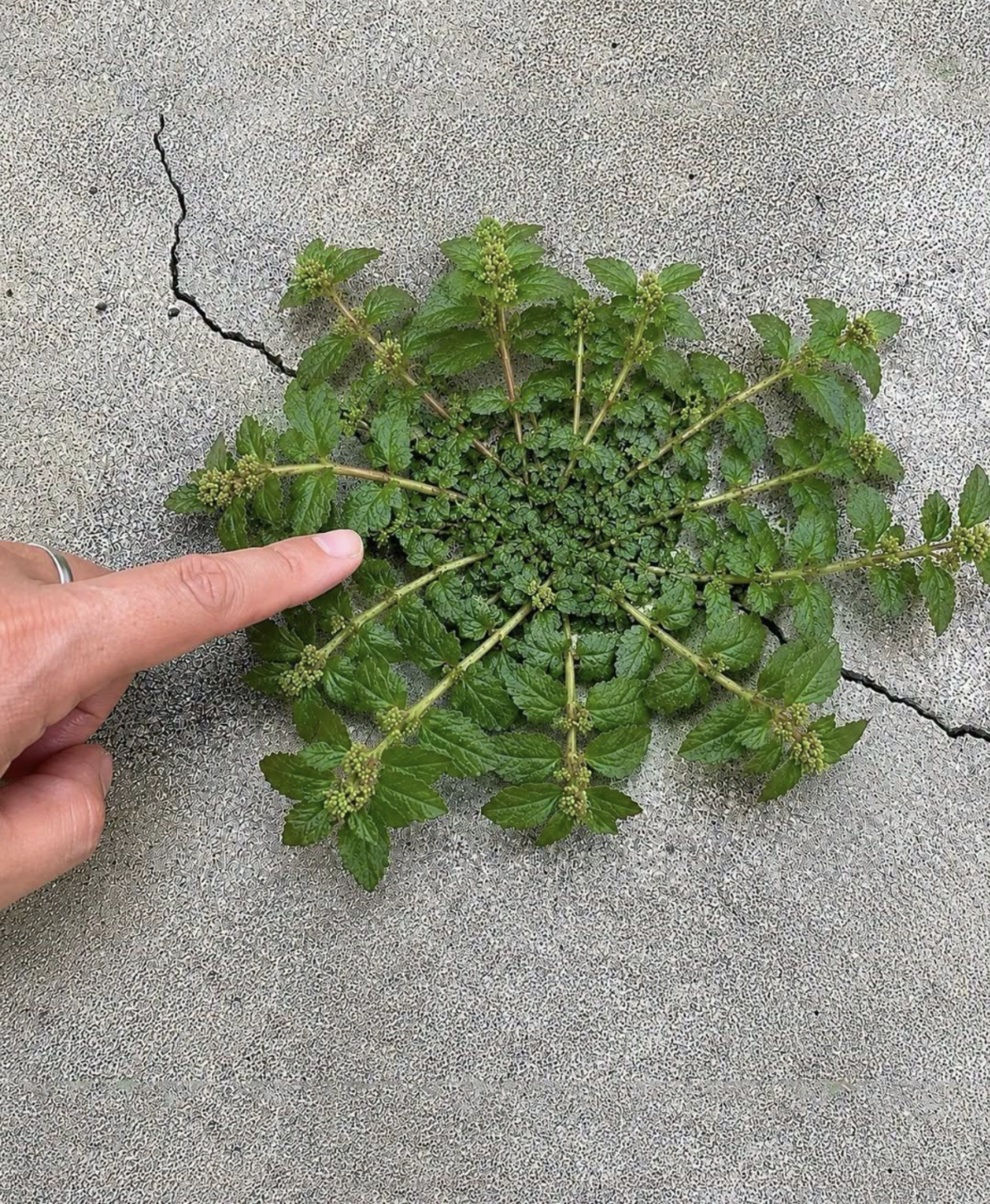
- “This miracle plant grows in your backyard, and most people walk right past it!”
- “One leaf every day changes your life forever!”
These attention-grabbing titles appear everywhere—from Facebook and YouTube to blogs and messaging apps. They promise incredible health benefits, hidden secrets, or even financial value from a single leaf. It’s no surprise that millions of people click on these stories, hoping to discover nature’s next great miracle.
The reality, however, is much more interesting—and much more grounded. Many plants truly contain remarkable nutritional compounds and have been valued for centuries in traditional cultures. But no single leaf is literally “worth a gold mine,” nor can any plant replace a balanced diet, healthy lifestyle, or proper medical care.
Let’s explore why these headlines are so popular, what science actually tells us about medicinal plants, and why nature deserves appreciation without exaggeration.
Why These Headlines Go Viral
The phrase “worth a gold mine” isn’t usually meant literally. Instead, it serves as a metaphor designed to spark curiosity.
People naturally wonder:
- What plant is it?
- Have I been throwing it away?
- Could I already have it growing at home?
- Why haven’t I heard about this before?
Curiosity is one of the strongest psychological triggers in online media. When a headline suggests that something ordinary has extraordinary value, our brains immediately want to know more.
Nature Has Always Been a Source of Healing
Long before modern pharmacies existed, people relied heavily on plants.
Across different civilizations—including ancient Egypt, China, India, Greece, and indigenous cultures around the world—plants were used for:
- cooking
- preserving food
- making herbal teas
- soothing minor discomforts
- supporting general wellness
Many modern medicines were actually inspired by compounds first discovered in plants.
This historical connection explains why medicinal plants continue to fascinate scientists today.
Why Plant Leaves Are So Valuable
Leaves are remarkable biological structures.
They serve as the plant’s primary food factory, converting sunlight into energy through photosynthesis.
To survive and defend themselves, leaves produce hundreds of natural compounds, including:
- vitamins
- minerals
- antioxidants
- essential oils
- flavonoids
- polyphenols
- chlorophyll
- fiber
These substances often contribute to the nutritional value of fruits, vegetables, herbs, and leafy greens that we eat every day.
Antioxidants: Nature’s Protective Compounds
One of the most discussed groups of plant compounds is antioxidants.
Antioxidants help protect plant cells from environmental stress.
When humans consume foods naturally rich in antioxidants as part of a balanced diet, these compounds contribute to normal body functions and help protect cells from oxidative stress.
Common antioxidant-rich foods include:
- berries
- spinach
- kale
- parsley
- green tea
- apples
- grapes
This is one reason nutrition experts encourage eating a wide variety of colorful fruits and vegetables.
Every Plant Has a Different Story
One reason viral articles can be misleading is that they often treat all medicinal plants as though they have identical properties.
In reality, every species is unique.
Some plants are valued for:
- their fragrance
Others for:
- culinary flavor
Some contain:
- vitamins
Others produce:
- aromatic oils
Still others have compounds that researchers continue to study for potential future medical applications.
There is no universal “miracle leaf.”
Each plant has its own characteristics, benefits, and limitations.
Traditional Knowledge Meets Modern Science
Many traditional herbal practices have inspired scientific research.
Researchers investigate plants to better understand:
- their chemical composition
- possible health effects
- appropriate dosages
- potential risks
- interactions with medications
Sometimes traditional knowledge is supported by research.
Sometimes scientific studies find little evidence.
Sometimes more research is still needed.
Science advances by careful testing rather than dramatic claims.
Why One Plant Cannot Do Everything
A common feature of sensational articles is the suggestion that one plant can:
- detoxify the body
- improve memory
- strengthen immunity
- lower blood sugar
- protect the heart
- reverse aging
- improve digestion
- increase energy
- promote weight loss
all at the same time.
Real nutrition doesn’t work that way.
Good health is built through many factors working together:
- balanced meals
- physical activity
- adequate sleep
- hydration
- stress management
- regular medical care
No single food can replace these foundations.
The Importance of Variety
Nutrition experts consistently recommend eating many different plant foods.
Different fruits and vegetables provide different nutrients.
For example:
Leafy greens contribute vitamins and minerals.
Orange vegetables provide carotenoids.
Berries offer various polyphenols.
Legumes contribute protein and fiber.
Whole grains provide complex carbohydrates and additional nutrients.
The greatest health benefits usually come from diversity rather than relying heavily on one “superfood.”
Appreciating Plants Beyond Health Claims
Plants offer value far beyond nutrition.
They:
- produce oxygen
- support biodiversity
- prevent soil erosion
- provide habitats for wildlife
- beautify landscapes
- supply spices, herbs, fibers, and medicines
Many herbs also bring tremendous flavor to cooking without adding significant calories.
Simple ingredients such as basil, rosemary, thyme, mint, oregano, and parsley have been cherished for generations for both culinary and traditional uses.
Why Extraordinary Claims Require Evidence
Whenever you see phrases such as:
- “Doctors hate this plant.”
- “This one leaf cures everything.”
- “Pharmaceutical companies don’t want you to know.”
it’s worth pausing before accepting the claim.
Reliable health information is based on:
- scientific research
- clinical studies
- expert review
- reproducible evidence
Extraordinary promises without evidence should always be viewed with caution.
The Real Treasure
Ironically, the greatest value of many plants isn’t found in a single magical compound.
The real treasure lies in:
- eating more fresh fruits and vegetables
- enjoying herbs and spices
- preparing home-cooked meals
- spending time in nature
- learning about traditional agriculture
- appreciating biodiversity
These habits consistently contribute more to long-term health than chasing the latest viral miracle plant.

Welcome to my kitchen!
I’m a passionate home cook and recipe creator who loves turning simple ingredients into delicious, comforting meals that everyone can enjoy. Through this website, I share carefully prepared recipes, practical cooking tips, and easy-to-understand food education to help you feel more confident in the kitchen.
My goal is to make cooking simple, enjoyable, and accessible. Whether you are looking for a quick family dinner, a delicious dessert, healthy meal ideas, or traditional recipes with a modern touch, you’ll find inspiration here.
More Than Just Recipes
I believe that cooking is also a way to learn. That’s why this website is not only about recipes. I also create educational articles about ingredients, cooking techniques, kitchen tips, food preparation, and the stories behind different dishes.
Each article is designed to give you useful knowledge that you can apply in your own kitchen. From understanding how ingredients work together to learning better cooking methods, my aim is to help you become a more confident and creative cook.
My Philosophy
Good food doesn’t always require complicated ingredients or professional equipment. With a little knowledge, patience, and creativity, simple ingredients can become something truly special.
I believe in sharing recipes that are practical, clearly explained, and enjoyable to make. I also love exploring new flavors while appreciating traditional cooking and the recipes passed down through generations.
Thank you for visiting my kitchen and being part of this food-loving community. I hope my recipes and articles inspire you to cook, learn, experiment, and most importantly, enjoy every bite!
Happy cooking!