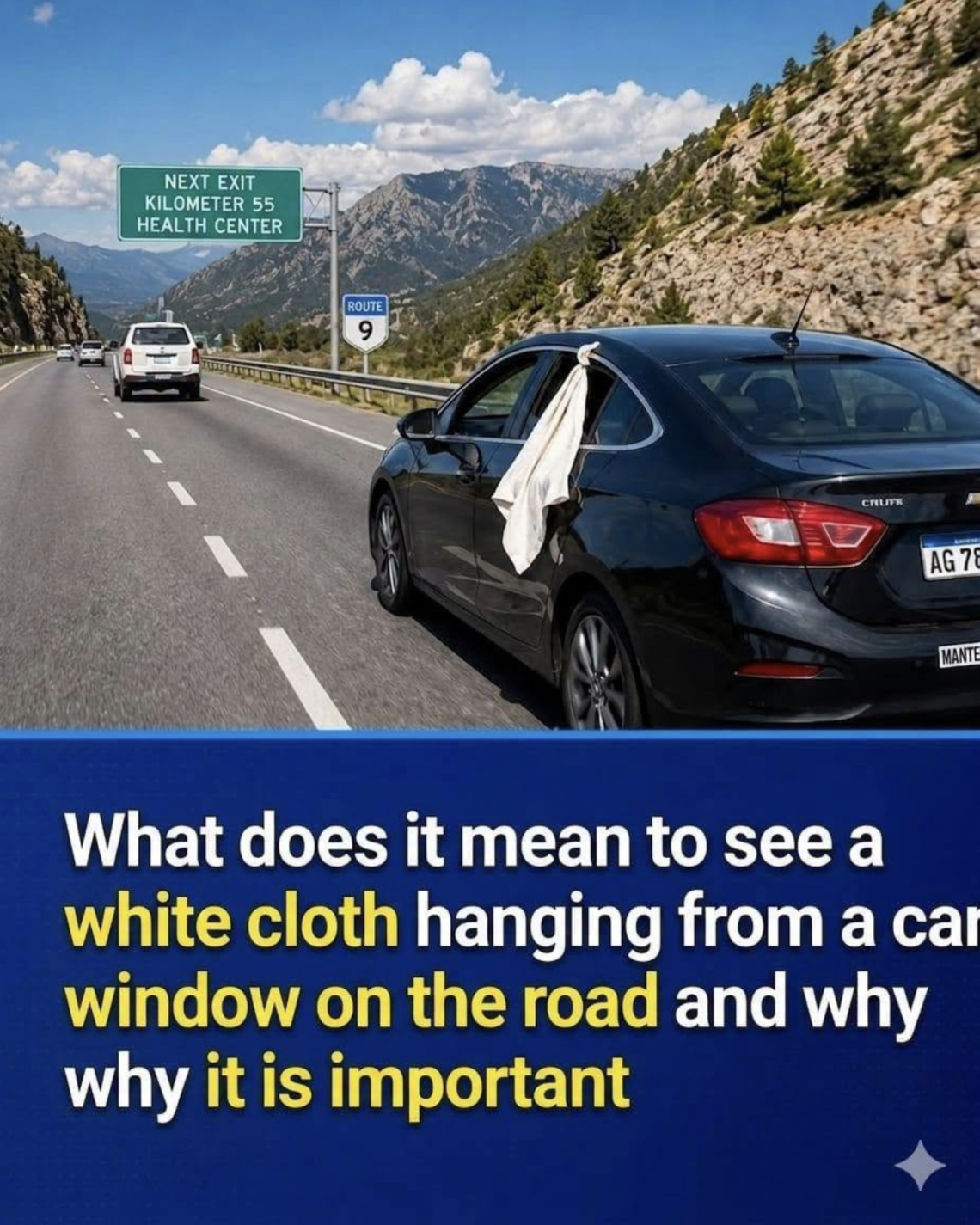
Every few months, a new warning begins circulating across social media, neighborhood groups, and messaging apps. One of the most persistent claims involves a simple white cloth, towel, or rag hanging from a car window or tied to a door handle. The posts often come with dramatic headlines such as:
- “If you see this on your car, don’t touch it!”
- “Criminals are marking vehicles with white cloths.”
- “Lock your doors immediately!”
- “This secret signal means you’re being targeted.”
These alarming messages spread rapidly because they appeal to one of our strongest instincts: the desire to protect ourselves and our families. But how much truth is actually behind these claims? Is a white cloth really a coded message used by criminals, or is there a much simpler explanation?
Let’s take a closer look at the origins of this viral rumor, why it spreads so easily, and what experts generally say about such claims.
Why Stories Like This Spread So Quickly
The internet is full of stories that begin with a seemingly ordinary object and turn it into something mysterious or dangerous.
A white cloth is a perfect example.
It is:
- simple
- common
- easy to recognize
- unusual enough to attract attention if seen in an unexpected place
When someone posts a photo of a car with a white rag hanging from a window and adds a frightening story, people naturally become curious. Even without evidence, many feel compelled to share the warning “just in case.”
This creates a chain reaction where thousands—or even millions—of people see the same claim within hours.
The Common Claims
Different versions of the story exist, but they usually suggest one of the following:
Claim 1: A Secret Signal Between Criminals
Some posts claim that thieves use white cloths to identify vehicles they plan to steal later.
Others suggest the cloth tells accomplices that the owner is away or that the vehicle has already been “selected.”
Claim 2: A Carjacking Distraction
Another version says someone secretly places a white rag on your car.
When you stop to remove it, criminals supposedly take advantage of the distraction.
Claim 3: A Marker for Empty Homes
Some viral messages go even further, claiming that a white cloth on a vehicle tells burglars that the owner’s house is unoccupied.
Claim 4: Human Trafficking Symbols
Perhaps the most alarming version connects the cloth to human trafficking, suggesting it identifies potential victims.
These claims often spread widely despite offering no supporting evidence.
What Experts Generally Say
Law enforcement agencies in many countries have repeatedly addressed similar viral warnings over the years.
While criminals certainly use many different methods to commit crimes, there is no widely verified evidence that a white cloth hanging from a car window is a universal secret code used by criminals.
Many police departments have explained that these stories often circulate without documented cases linking them to organized criminal activity.
That does not mean crime never occurs. Rather, it means that extraordinary claims require reliable evidence, and these viral stories rarely provide it.
The Much More Common Explanations
In reality, there are many innocent reasons why someone might place a white cloth on a vehicle.
1. Temporary Vehicle Identification
Someone may use a cloth simply to help locate their car in a crowded parking lot.
Large events, concerts, fairs, and sporting venues often fill parking areas with hundreds of nearly identical vehicles.
A white towel can serve as an easy visual marker.
2. Mechanical Reminder
Drivers sometimes place a cloth on a window or mirror to remind themselves of a problem, such as:
- a damaged door
- a broken lock
- maintenance that still needs attention
3. Protecting the Interior
A cloth may be used to:
- cover a damaged window
- reduce sunlight
- protect part of the vehicle during transport
4. Drying After Cleaning
After washing a vehicle, someone might leave a towel hanging briefly while finishing the cleaning process.
5. Temporary Repair
Sometimes a cloth is placed between surfaces to prevent rubbing, rattling, or scratching until proper repairs can be made.
Why Our Brains Assume the Worst
Humans are naturally wired to notice unusual situations.
Psychologists call this pattern recognition.
Our brains constantly try to answer questions such as:
- Why is that there?
- Does it mean something?
- Should I be worried?
This ability helped humans survive for thousands of years by recognizing possible dangers quickly.
However, it also means we sometimes connect unrelated events and assume there is a hidden meaning when there isn’t.
The Role of Social Media
Social media algorithms reward content that generates strong emotional reactions.
Posts that create:
- fear
- surprise
- curiosity
- urgency
often receive far more shares than ordinary information.
As a result, dramatic warnings can spread worldwide within hours, even if they have never been verified.
People often share them with good intentions, hoping to protect friends and family.
Unfortunately, repeated sharing can make an unsupported claim appear credible simply because so many people have seen it.
Practical Safety Advice
Although there is no strong evidence supporting the “white cloth” theory itself, practicing general personal safety is always worthwhile.
Some sensible precautions include:
- Stay aware of your surroundings in parking lots.
- If something about your vehicle genuinely seems unusual, observe it from a safe distance before approaching.
- If you feel uncomfortable or notice suspicious behavior nearby, leave the area and contact local authorities if necessary.
- Keep your vehicle locked whenever possible.
- Avoid spreading alarming claims unless they come from reliable, verifiable sources.
These habits are useful regardless of whether a viral story is true.
How to Evaluate Viral Warnings
Before sharing a warning online, ask yourself a few questions:
- Does the post mention a specific location and date?
- Is there evidence from reliable sources?
- Has local law enforcement confirmed the claim?
- Does the story rely mostly on emotion rather than facts?
- Could there be a simpler explanation?
Taking a few moments to evaluate the information helps reduce unnecessary fear and misinformation.
Why These Stories Keep Returning
Interestingly, this is not the first object that has been turned into a supposed criminal signal.
Over the years, social media has circulated similar stories involving:
- zip ties on car door handles
- water bottles behind tires
- coins under windshield wipers
- flyers tucked into doors
- shopping carts left near vehicles
- ribbons or tape on mailboxes
While isolated incidents involving unusual tactics have occasionally occurred, most of these viral warnings lack consistent evidence showing they are part of widespread criminal methods.

Welcome to my kitchen!
I’m a passionate home cook and recipe creator who loves turning simple ingredients into delicious, comforting meals that everyone can enjoy. Through this website, I share carefully prepared recipes, practical cooking tips, and easy-to-understand food education to help you feel more confident in the kitchen.
My goal is to make cooking simple, enjoyable, and accessible. Whether you are looking for a quick family dinner, a delicious dessert, healthy meal ideas, or traditional recipes with a modern touch, you’ll find inspiration here.
More Than Just Recipes
I believe that cooking is also a way to learn. That’s why this website is not only about recipes. I also create educational articles about ingredients, cooking techniques, kitchen tips, food preparation, and the stories behind different dishes.
Each article is designed to give you useful knowledge that you can apply in your own kitchen. From understanding how ingredients work together to learning better cooking methods, my aim is to help you become a more confident and creative cook.
My Philosophy
Good food doesn’t always require complicated ingredients or professional equipment. With a little knowledge, patience, and creativity, simple ingredients can become something truly special.
I believe in sharing recipes that are practical, clearly explained, and enjoyable to make. I also love exploring new flavors while appreciating traditional cooking and the recipes passed down through generations.
Thank you for visiting my kitchen and being part of this food-loving community. I hope my recipes and articles inspire you to cook, learn, experiment, and most importantly, enjoy every bite!
Happy cooking!