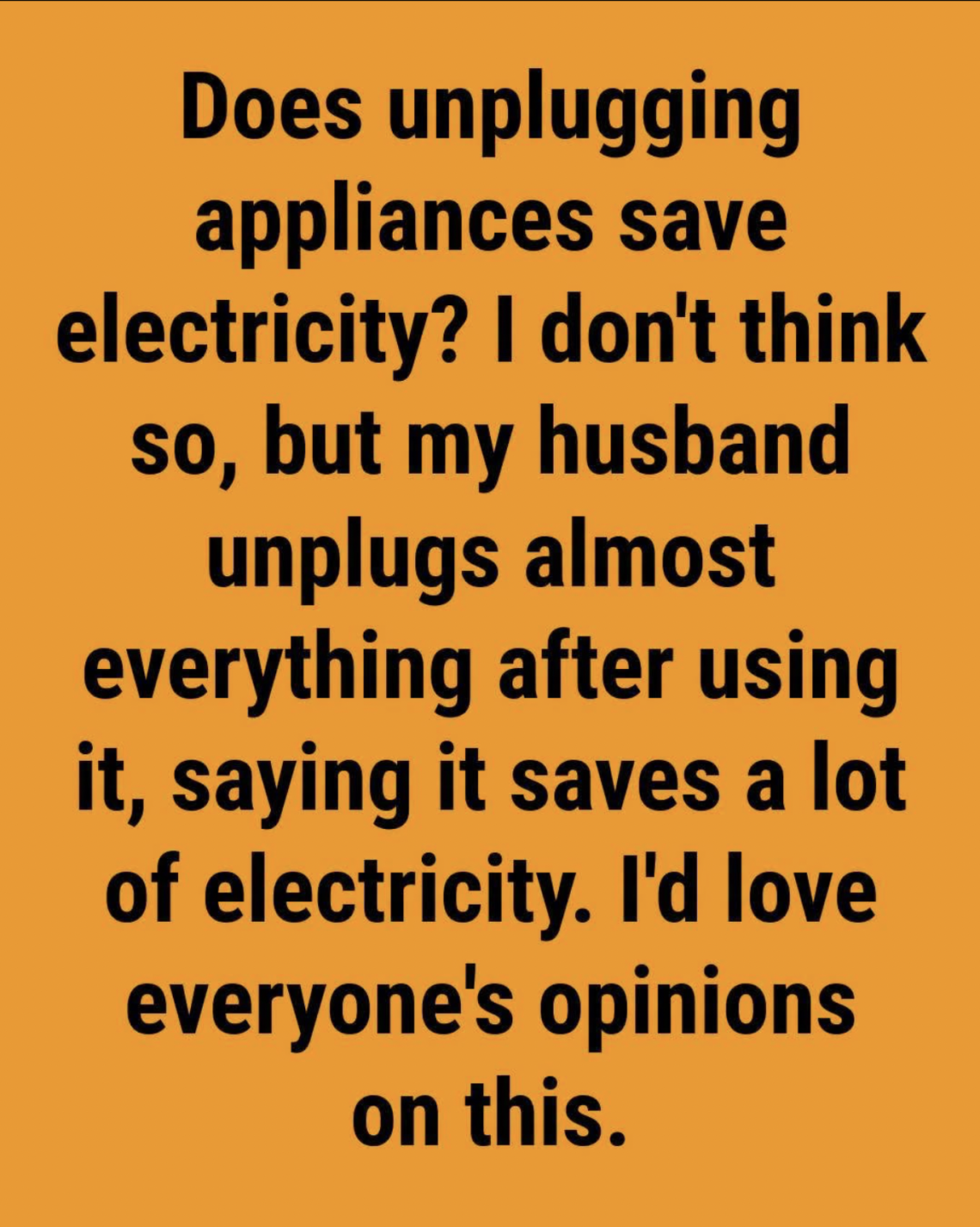
Most of us have a daily routine when leaving the house or heading to bed. We turn off the lights, switch off the television, and make sure the doors are locked. Once an appliance’s power button is off, it’s easy to assume it has completely stopped using electricity.
Surprisingly, that’s not always the case.
Many modern electronic devices continue to draw small amounts of electricity even when they appear to be turned off. This invisible energy consumption is commonly known as standby power, phantom load, or the more dramatic nickname “vampire power.” Just like the mythical vampire quietly feeding in the background, these appliances can continue consuming electricity around the clock without you even realizing it.
While the amount of electricity used by a single device is usually quite small, the combined effect of dozens of electronics operating in standby mode day and night can add up over the course of a year. Understanding how standby power works can help you make informed choices about your energy use, reduce unnecessary electricity consumption, and potentially lower your utility bills.
What Is Vampire Power?
Vampire power refers to the electricity consumed by appliances and electronic devices while they are not actively being used but remain plugged into a power outlet.
Even when a device appears to be switched off, it may still use electricity to support background functions such as:
- Maintaining internal clocks
- Displaying digital screens
- Listening for remote-control signals
- Preserving memory or settings
- Connecting to Wi-Fi or the internet
- Downloading software updates
- Remaining in standby mode for quick startup
Because of these ongoing functions, the appliance continues drawing a small amount of power.
Why Do Modern Devices Use Standby Power?
Many modern electronics are designed for convenience.
Features such as instant startup, remote controls, scheduled recordings, voice assistants, and automatic updates require certain components to remain active even when the device is not in regular use.
For example:
- A television may be waiting for a signal from the remote.
- A game console may download updates overnight.
- A smart speaker may listen for its wake word.
- A printer may stay partially powered for maintenance functions.
- A microwave may keep its clock illuminated.
These conveniences require a continuous, though often small, supply of electricity.
Common Household Devices That May Use Standby Power
Many everyday items can continue consuming electricity after being switched off, including:
- Televisions
- Cable or satellite boxes
- Streaming devices
- Video game consoles
- Desktop computers
- Computer monitors
- Laptop chargers
- Phone chargers (especially when connected to an adapter)
- Wi-Fi routers
- Printers
- Smart speakers
- Coffee makers with digital displays
- Microwaves with clocks
- Smart home hubs
- Audio systems
Not every appliance behaves the same way, and standby power varies widely depending on the design and age of the device.
Do Chargers Use Electricity When Nothing Is Connected?
Many people wonder whether phone or laptop chargers continue using electricity when left plugged into the wall without a device attached.
In many cases, yes—but the amount is usually very small.
Modern chargers are generally designed to be more energy efficient than older models, so their idle electricity use is often minimal. While unplugging unused chargers may save a tiny amount of energy, the savings from a single charger are usually quite modest.
Which Appliances Should Stay Plugged In?
Not every appliance should be unplugged regularly.
Some devices are intended to remain connected to power, such as:
- Refrigerators
- Freezers
- Internet routers (if you rely on continuous internet access)
- Medical equipment that requires constant power
- Security systems
- Smoke alarms and carbon monoxide detectors with plug-in power
- Devices performing scheduled backups or updates
Always consider the manufacturer’s recommendations before unplugging an appliance.
Does Unplugging Save Money?
Yes—but the amount depends on several factors.
Potential savings are influenced by:
- The number of standby devices in your home
- The age of your electronics
- How energy-efficient they are
- Your local electricity rates
- Your household’s overall electricity use
For homes with many electronics that remain plugged in continuously, reducing standby power can contribute to noticeable energy savings over time.
Small Savings Add Up
A single device using only a tiny amount of standby electricity may seem insignificant.
However, imagine dozens of devices quietly drawing power:
- Television
- Streaming box
- Sound system
- Game console
- Printer
- Coffee maker
- Microwave
- Smart speaker
- Multiple chargers
When these devices operate 24 hours a day, every day of the year, the combined electricity use becomes much more meaningful.
Smart Power Strips
One of the easiest ways to reduce standby power is by using smart power strips.
Unlike traditional power strips, some smart models automatically cut power to connected devices when the primary device is turned off.
For example:
When you switch off your television, the power strip can also disconnect:
- Streaming device
- DVD player
- Sound system
- Gaming console
This reduces standby electricity use without requiring you to unplug each device individually.
Energy-Efficient Appliances
Many modern appliances are designed with improved standby efficiency.
Manufacturers have made significant progress in reducing idle electricity consumption through:
- Better power management
- More efficient electronics
- Energy-saving modes
- Automatic sleep functions
Replacing very old electronics with newer energy-efficient models may reduce both active and standby electricity use.
Beyond Electricity Savings
Reducing unnecessary standby power offers additional benefits.
These may include:
- Lower household energy consumption
- Reduced environmental impact
- Less unnecessary heat generation
- Potential protection from electrical surges when devices are unplugged during severe storms (provided doing so is practical and safe)
Practical Ways to Reduce Vampire Power
Simple habits can help minimize unnecessary energy use:
- Unplug electronics you rarely use.
- Use smart power strips.
- Turn off entertainment systems completely when practical.
- Enable energy-saving settings on computers and televisions.
- Disconnect seasonal decorations when not in use.
- Charge devices only as needed.
- Choose energy-efficient appliances when replacing older equipment.
These small changes can contribute to long-term energy conservation.
Common Myths
Myth: Turning off a device always stops electricity use.
Not always.
Many devices continue drawing standby power unless they are fully disconnected from electricity.
Myth: Every plugged-in appliance wastes large amounts of electricity.
False.
Standby consumption varies greatly. Some devices use very little, while others consume more depending on their features.
Myth: Unplugging everything is always the best solution.
Not necessarily.
Some appliances should remain connected for safety, functionality, or continuous operation.
Frequently Asked Questions
Is standby power dangerous?
Standby power itself is not generally considered dangerous when appliances are used according to the manufacturer’s instructions. The main concern is unnecessary energy consumption rather than safety.
Does unplugging appliances extend their lifespan?
In some situations, reducing continuous electrical exposure may decrease wear on certain electronic components. However, repeatedly unplugging and reconnecting devices may not always be practical, and the effect varies by appliance.
Are smart home devices always using electricity?
Most smart devices require some electricity to maintain network connections, receive commands, or perform scheduled functions.
Should I unplug my television every night?
It’s generally not necessary unless you specifically want to eliminate standby power or disconnect electronics during severe weather. Many televisions are designed to remain plugged in safely when not in use.
Interesting Facts About Household Electricity
Studies around the world have shown that standby power can account for a noticeable share of residential electricity use, particularly in homes with many connected electronics. As smart homes become increasingly common—with internet-connected televisions, voice assistants, appliances, security systems, and chargers—the number of devices quietly consuming electricity in the background continues to grow. Fortunately, advances in appliance design and energy-efficiency standards have significantly reduced standby power consumption in many newer products compared with those manufactured decades ago.

Welcome to my kitchen!
I’m a passionate home cook and recipe creator who loves turning simple ingredients into delicious, comforting meals that everyone can enjoy. Through this website, I share carefully prepared recipes, practical cooking tips, and easy-to-understand food education to help you feel more confident in the kitchen.
My goal is to make cooking simple, enjoyable, and accessible. Whether you are looking for a quick family dinner, a delicious dessert, healthy meal ideas, or traditional recipes with a modern touch, you’ll find inspiration here.
More Than Just Recipes
I believe that cooking is also a way to learn. That’s why this website is not only about recipes. I also create educational articles about ingredients, cooking techniques, kitchen tips, food preparation, and the stories behind different dishes.
Each article is designed to give you useful knowledge that you can apply in your own kitchen. From understanding how ingredients work together to learning better cooking methods, my aim is to help you become a more confident and creative cook.
My Philosophy
Good food doesn’t always require complicated ingredients or professional equipment. With a little knowledge, patience, and creativity, simple ingredients can become something truly special.
I believe in sharing recipes that are practical, clearly explained, and enjoyable to make. I also love exploring new flavors while appreciating traditional cooking and the recipes passed down through generations.
Thank you for visiting my kitchen and being part of this food-loving community. I hope my recipes and articles inspire you to cook, learn, experiment, and most importantly, enjoy every bite!
Happy cooking!