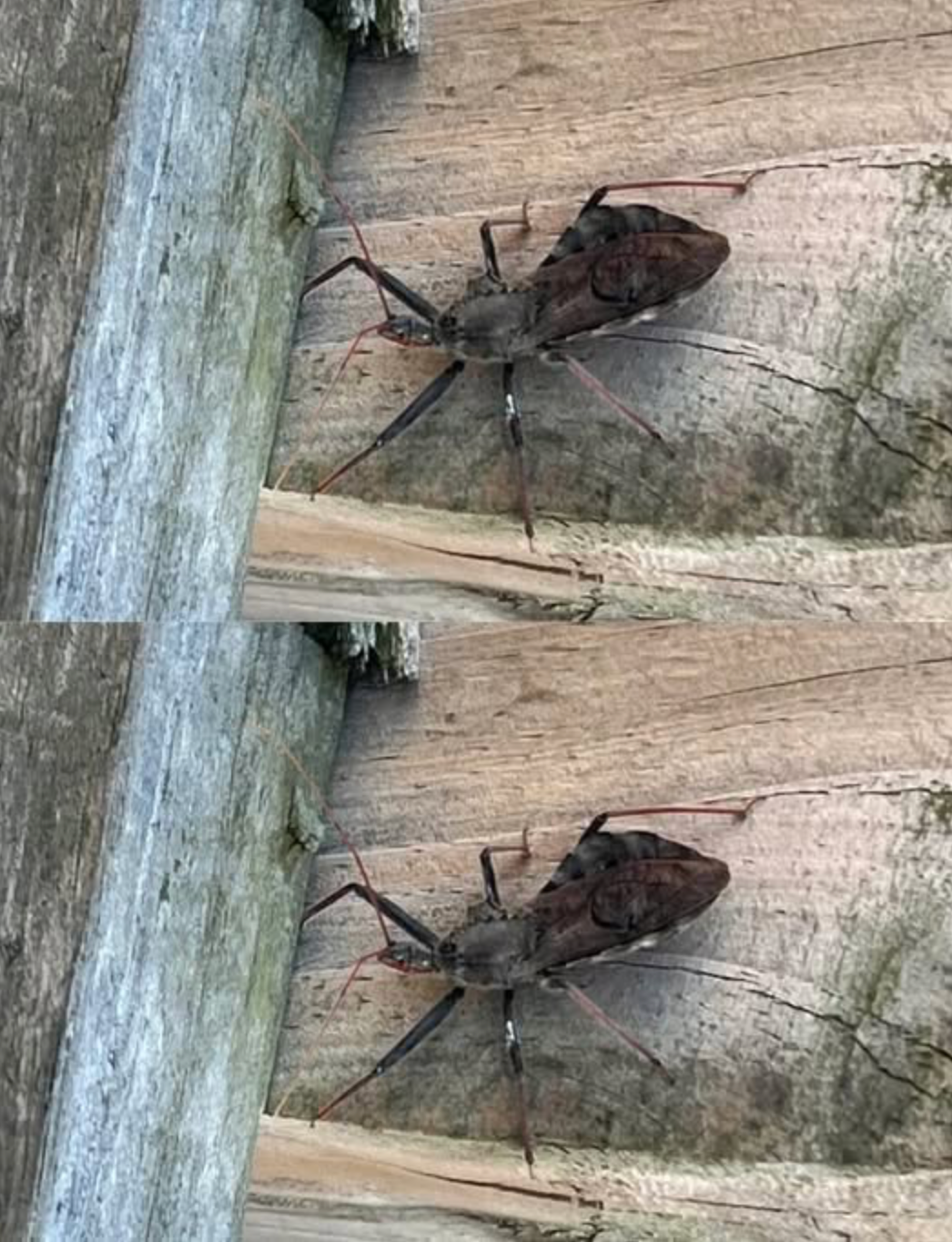
Picture yourself enjoying a warm summer afternoon. You’re pulling weeds in the garden, hiking through a wooded trail, or relaxing on the porch with a cool drink when you notice a long-legged insect resting quietly on a nearby leaf. Before you have time to brush it away, it lands on your arm and suddenly delivers a sharp, painful bite.
Within seconds, the area begins to sting. You look closer at the insect and later discover it may have been an assassin bug. The name alone is enough to make anyone nervous, and a quick internet search often produces dramatic headlines that can leave people feeling frightened.
Fortunately, the reality is usually much less alarming.
The term “assassin bug” refers to a large family of insects containing more than 7,000 species worldwide. Most of these insects are actually beneficial predators that help control populations of garden pests and rarely interact with humans. Only a small subgroup, known as kissing bugs (triatomine bugs), has the potential to transmit the parasite that causes Chagas disease, and even then, transmission depends on several specific circumstances—not simply being bitten.
Understanding the differences between these insects, recognizing the symptoms of a bite, and knowing when to seek medical attention can help you respond calmly and appropriately.
What Is an Assassin Bug?
Assassin bugs belong to the insect family Reduviidae.
They are predatory insects that feed on many other small animals, including:
- Caterpillars
- Aphids
- Beetles
- Flies
- Mosquitoes
- Other insects that damage gardens and crops
Because they naturally reduce pest populations, many gardeners consider them beneficial.
Why Are They Called Assassin Bugs?
Their dramatic name comes from the way they capture prey.
They use a long, needle-like mouthpart called a rostrum to pierce their prey and inject saliva containing digestive enzymes. These enzymes begin breaking down tissues so the insect can consume the liquefied contents.
Although this hunting method sounds intimidating, it is simply part of the insect’s natural feeding behavior.
Where Are Assassin Bugs Found?
Different species live throughout much of the world.
They may be found in:
- Gardens
- Forests
- Grasslands
- Farms
- Parks
- Shrubs
- Trees
- Around outdoor lights
Some species occasionally enter homes, but they generally prefer outdoor habitats.
What Do They Look Like?
While appearance varies by species, many assassin bugs share several features:
- Long, narrow body
- Six long legs
- Folded wings
- Prominent antennae
- A curved piercing beak beneath the head
- Colors ranging from brown and black to green, orange, or red
Some species are quite striking and may resemble leaf-footed bugs or other insects.
Are All Assassin Bugs Dangerous?
No.
Most assassin bugs are not considered medically significant to humans.
If handled roughly or accidentally pressed against the skin, they may bite in self-defense, but they do not actively seek people as prey.
The bite can be painful but is usually limited to a local reaction.
What About Kissing Bugs?
Kissing bugs are a small subgroup within the assassin bug family.
Unlike other assassin bugs, they feed on the blood of animals and humans.
They often bite around the:
- Face
- Lips
- Eyes
This behavior gave rise to the common name “kissing bug.”
Some kissing bugs in parts of the Americas can carry the parasite Trypanosoma cruzi, which causes Chagas disease.
However, it’s important to understand that:
- Not every kissing bug carries the parasite.
- Not every bite results in infection.
- Transmission typically occurs when infected bug feces enter the bite wound, eyes, nose, or mouth—not from the bite itself.
The risk varies greatly depending on geographic region.
What Does an Assassin Bug Bite Feel Like?
Many people describe the bite as:
- Sudden
- Sharp
- Burning
- Stinging
- More painful than a mosquito bite
The discomfort usually develops immediately.
Common Symptoms
Most bites cause only localized symptoms such as:
- Pain
- Redness
- Mild swelling
- Itching
- Tenderness
- A small raised bump
These symptoms often improve within several days.
What Should You Do If You’re Bitten?
If an assassin bug bites you:
1. Stay Calm
Most bites are not medical emergencies.
2. Wash the Area
Clean the bite gently with soap and water to reduce the risk of secondary infection.
3. Apply a Cold Compress
A cool, damp cloth or wrapped ice pack may help reduce:
- Swelling
- Pain
- Itching
Apply for short intervals rather than directly placing ice on the skin.
4. Avoid Scratching
Scratching can damage the skin and increase the risk of infection.
5. Monitor Symptoms
Observe the bite over the next few days.
Most uncomplicated bites gradually improve.
When Should You Seek Medical Care?
Contact a healthcare professional promptly if you experience:
- Difficulty breathing
- Swelling of the face or throat
- Severe allergic symptoms
- Persistent or worsening pain
- Fever
- Increasing redness spreading away from the bite
- Pus or signs of infection
- Symptoms that do not improve over time
Emergency care is needed immediately if signs of a severe allergic reaction (anaphylaxis) develop.
Understanding Chagas Disease
Chagas disease is caused by the parasite Trypanosoma cruzi.
It occurs primarily in parts of:
- Mexico
- Central America
- South America
Cases also occur elsewhere, but the risk varies considerably by region.
Most people bitten by assassin bugs will never develop Chagas disease.
Even where infected kissing bugs exist, transmission requires specific circumstances and does not occur from the bite alone.
If you believe you were exposed to a kissing bug in an area where Chagas disease occurs, consult a healthcare professional for individualized advice.
How to Reduce Your Risk
Simple precautions can help reduce contact with biting insects:
- Wear long sleeves and long pants when hiking or gardening.
- Use insect repellent according to the label.
- Shake out outdoor clothing and shoes before wearing them.
- Reduce outdoor lighting that attracts insects when practical.
- Repair damaged window screens.
- Seal cracks around doors and windows.
- Keep firewood and debris away from the home.
Are Assassin Bugs Good for Gardens?
Yes, in many cases.
Because they feed on harmful insects, assassin bugs can naturally help control pests without pesticides.
They often prey on insects that damage vegetables, flowers, and ornamental plants.
For this reason, gardeners sometimes welcome them—as long as they are left undisturbed.
Common Myths
Myth: Every assassin bug carries dangerous diseases.
False.
Most species are harmless predators and do not transmit disease to humans.
Myth: They attack people aggressively.
False.
They usually bite only when handled, trapped against the skin, or threatened.
Myth: Every kissing bug bite causes Chagas disease.
False.
Not all kissing bugs carry the parasite, and even when they do, infection requires specific conditions for transmission.
Frequently Asked Questions
Can assassin bugs fly?
Yes. Many species have fully developed wings and are capable of flight.
Should I kill every assassin bug I see?
Not necessarily.
Most species are beneficial predators that help reduce garden pests. If one is indoors, it can often be carefully removed without direct handling.
Can pets be bitten?
Yes. Dogs and cats may occasionally be bitten, although encounters are relatively uncommon. If your pet develops unusual swelling, pain, or appears ill after an insect bite, contact your veterinarian.
How can I tell if it’s a kissing bug?
Identification can be difficult because several insects resemble kissing bugs. If you suspect you’ve found one—particularly in a region where they are known to occur—avoid handling it with bare hands. Local agricultural extension services, public health agencies, or entomologists may be able to assist with identification.
Fascinating Facts About Assassin Bugs
Assassin bugs are among nature’s most effective insect hunters. Scientists have identified thousands of species occupying habitats across nearly every continent. Some species camouflage themselves with dust, plant material, or even the remains of their prey to avoid detection. Others wait motionless for hours before striking with remarkable speed and precision. Their hunting techniques have fascinated entomologists for decades and demonstrate the incredible diversity of survival strategies found in the insect world.

Welcome to my kitchen!
I’m a passionate home cook and recipe creator who loves turning simple ingredients into delicious, comforting meals that everyone can enjoy. Through this website, I share carefully prepared recipes, practical cooking tips, and easy-to-understand food education to help you feel more confident in the kitchen.
My goal is to make cooking simple, enjoyable, and accessible. Whether you are looking for a quick family dinner, a delicious dessert, healthy meal ideas, or traditional recipes with a modern touch, you’ll find inspiration here.
More Than Just Recipes
I believe that cooking is also a way to learn. That’s why this website is not only about recipes. I also create educational articles about ingredients, cooking techniques, kitchen tips, food preparation, and the stories behind different dishes.
Each article is designed to give you useful knowledge that you can apply in your own kitchen. From understanding how ingredients work together to learning better cooking methods, my aim is to help you become a more confident and creative cook.
My Philosophy
Good food doesn’t always require complicated ingredients or professional equipment. With a little knowledge, patience, and creativity, simple ingredients can become something truly special.
I believe in sharing recipes that are practical, clearly explained, and enjoyable to make. I also love exploring new flavors while appreciating traditional cooking and the recipes passed down through generations.
Thank you for visiting my kitchen and being part of this food-loving community. I hope my recipes and articles inspire you to cook, learn, experiment, and most importantly, enjoy every bite!
Happy cooking!