The Surprisingly Common Truth About Warts, Skin Growths, and Why They Confuse So Many People
Almost everyone has had a moment like this:
You notice a strange bump on your skin.
Maybe it appeared slowly.
Maybe it suddenly caught your attention one day under bright light.
Maybe it feels rough, raised, or oddly textured.
Your mind immediately starts guessing:
- Is it a mole?
- A callus?
- A skin tag?
- A bug bite?
- Something dangerous?
- Or just a harmless skin change?
For many people, the surprising answer turns out to be:
a wart.
And that revelation often catches people off guard because warts are far more common—and usually far less serious—than most people realize.
What Exactly Is a Wart?
A wart is a small skin growth caused by certain strains of the human papillomavirus (HPV).
HPV is an extremely common virus family with many different types.
Some strains affect:
- hands
- feet
- face
- knees
- fingers
- or other skin surfaces.
When the virus enters through tiny breaks or weakened areas in the skin, it can trigger extra skin cell growth, creating the raised bump we recognize as a wart.
Why Warts Surprise People
Many people associate viruses only with:
- colds
- flu
- fever
- visible illness.
So learning that a simple rough skin bump is caused by a virus feels strange at first.
But HPV-related skin warts are actually incredibly common.
Most people encounter some form of HPV during their lifetime.
Important Clarification About HPV
The HPV family is very large.
Some types are linked to:
- common skin warts
- while other unrelated strains affect different parts of the body.
When discussing ordinary hand or foot warts, we are usually talking about the common skin-related strains—not the more serious medical topics people may hear about elsewhere.
Why Warts Look So Different From One Another
Not all warts look the same.
That’s one reason people struggle to identify them.
Some are:
- flat
- rough
- smooth
- raised
- clustered
- flesh-colored
- darker
- tiny or large.
Their appearance depends on:
- location
- pressure
- skin thickness
- immune response
- wart type.
The Most Common Types of Warts
1. Common Warts
Usually found on:
- fingers
- hands
- knuckles
- knees.
Appearance:
- rough texture
- raised surface
- tiny black dots sometimes visible inside.
Those black dots are actually tiny clotted blood vessels—not dirt.
2. Plantar Warts
Found on the bottoms of feet.
Because body weight presses them inward, they often:
- grow flatter
- become painful
- feel like stepping on a pebble.
These are commonly confused with calluses.
3. Flat Warts
Smaller and smoother.
Often appear in clusters on:
- face
- forehead
- legs
- arms.
They can spread more easily through shaving or scratching.
4. Filiform Warts
Long, narrow, or finger-like.
Usually appear around:
- nose
- mouth
- eyelids
- beard area.
They often look unusual because of their shape.
5. Periungual Warts
Grow around fingernails or toenails.
These can:
- distort nail growth
- become uncomfortable
- crack or split skin nearby.
6. Mosaic Warts
Clusters of plantar warts grouped together.
These may cover larger areas of the foot.
Why Warts Can Be Confused With Other Skin Conditions
Many skin issues resemble warts.
People often mistake them for:
- calluses
- corns
- skin tags
- moles
- cysts
- blisters
- insect bites.
That’s because the skin reacts in limited visual ways:
raised bumps, roughness, discoloration, or thickening.
How Warts Spread
Warts are contagious—but usually mildly so.
The virus spreads through:
- direct skin contact
- shared surfaces
- tiny skin breaks
- damp environments.
Places like:
- locker rooms
- pool areas
- communal showers
can increase exposure risk.
However, not everyone exposed develops warts. Immune response matters a lot.
Why Some People Get Warts More Easily
Factors include:
- minor skin damage
- nail biting
- shaving cuts
- weakened skin barriers
- immune differences.
Children and teens tend to get warts more often because their immune systems are still building recognition to many HPV strains.
Can Warts Go Away on Their Own?
Yes—many eventually do.
The immune system can gradually recognize the virus and suppress it.
However:
- this may take months or years
- some warts persist stubbornly
- others spread before disappearing.
Common Treatment Approaches
Treatment depends on:
- size
- location
- discomfort
- persistence.
Common options include:
Salicylic acid
Gradually removes layers of wart tissue.
Cryotherapy
Freezing the wart with liquid nitrogen.
Prescription treatments
Used for stubborn cases.
Minor medical removal
For persistent or painful growths.
Why Picking or Cutting Warts Is a Bad Idea
Many people try:
- scraping
- cutting
- biting
- picking.
This can:
- spread the virus
- irritate skin
- increase infection risk
- worsen the wart.
Emotional Impact: Why Small Skin Changes Cause Anxiety
Even harmless skin bumps can create strong emotional reactions because humans are highly sensitive to:
- visible body changes
- uncertainty
- fear of illness.
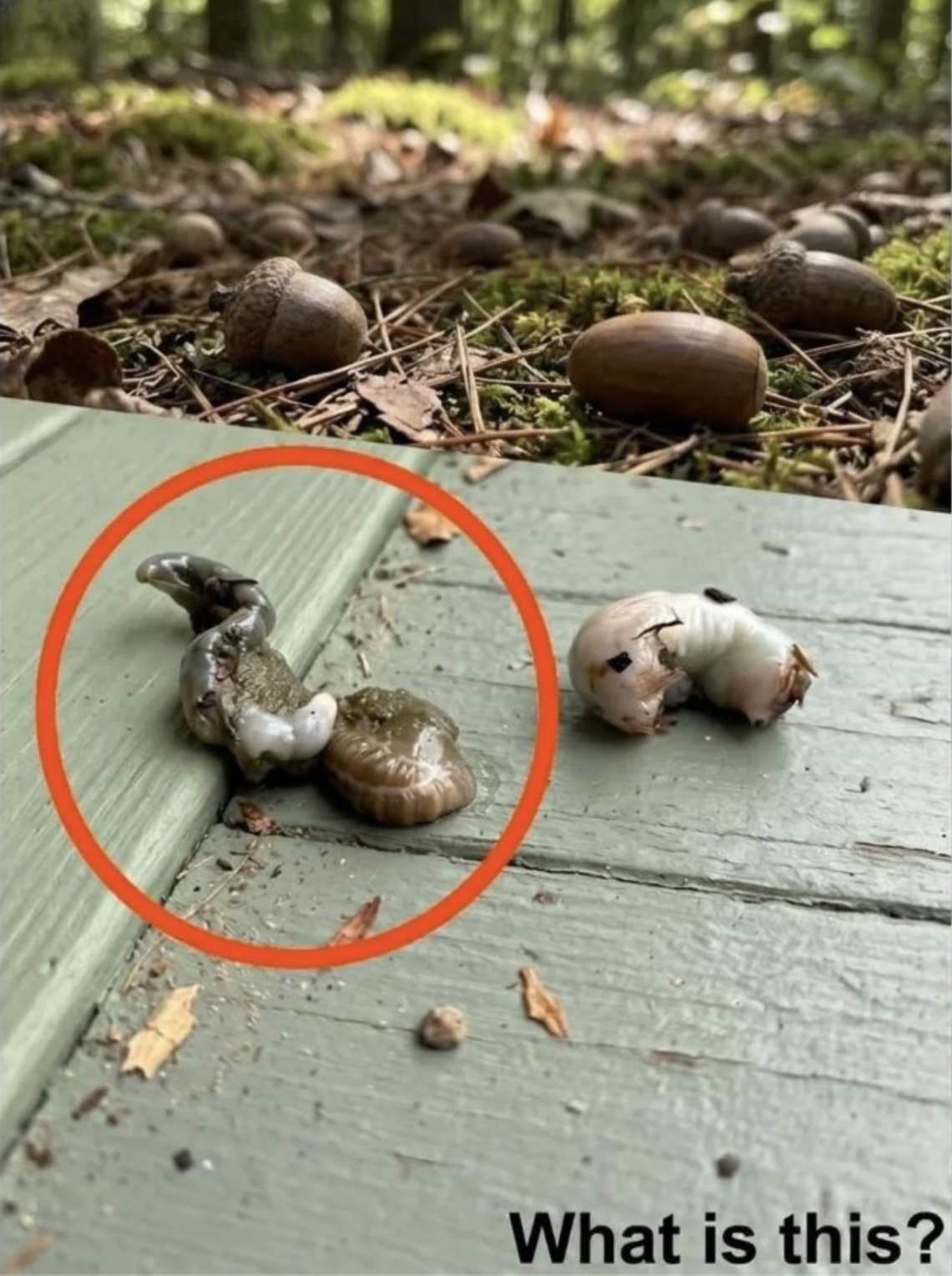
The phrase:
“What IS this?”
often triggers internet searches, worry, and speculation.
When You Should Get a Skin Growth Checked
It’s important to seek medical evaluation if a growth:
- changes rapidly
- bleeds easily
- becomes very painful
- has irregular coloring
- doesn’t heal
- looks unusual or suspicious.
Not every bump is a wart, and some skin conditions require professional diagnosis.
The Internet Loves “Mystery Skin” Posts
Photos of unexplained bumps often go viral because they trigger:
- curiosity
- discomfort
- collective problem-solving.
People instinctively want to identify unknown things—especially involving the body.

Welcome to my kitchen!
I’m a passionate home cook and recipe creator who loves turning simple ingredients into delicious, comforting meals that everyone can enjoy. Through this website, I share carefully prepared recipes, practical cooking tips, and easy-to-understand food education to help you feel more confident in the kitchen.
My goal is to make cooking simple, enjoyable, and accessible. Whether you are looking for a quick family dinner, a delicious dessert, healthy meal ideas, or traditional recipes with a modern touch, you’ll find inspiration here.
More Than Just Recipes
I believe that cooking is also a way to learn. That’s why this website is not only about recipes. I also create educational articles about ingredients, cooking techniques, kitchen tips, food preparation, and the stories behind different dishes.
Each article is designed to give you useful knowledge that you can apply in your own kitchen. From understanding how ingredients work together to learning better cooking methods, my aim is to help you become a more confident and creative cook.
My Philosophy
Good food doesn’t always require complicated ingredients or professional equipment. With a little knowledge, patience, and creativity, simple ingredients can become something truly special.
I believe in sharing recipes that are practical, clearly explained, and enjoyable to make. I also love exploring new flavors while appreciating traditional cooking and the recipes passed down through generations.
Thank you for visiting my kitchen and being part of this food-loving community. I hope my recipes and articles inspire you to cook, learn, experiment, and most importantly, enjoy every bite!
Happy cooking!