Why Strange Organic-Looking Objects in the House Often Cause Alarm
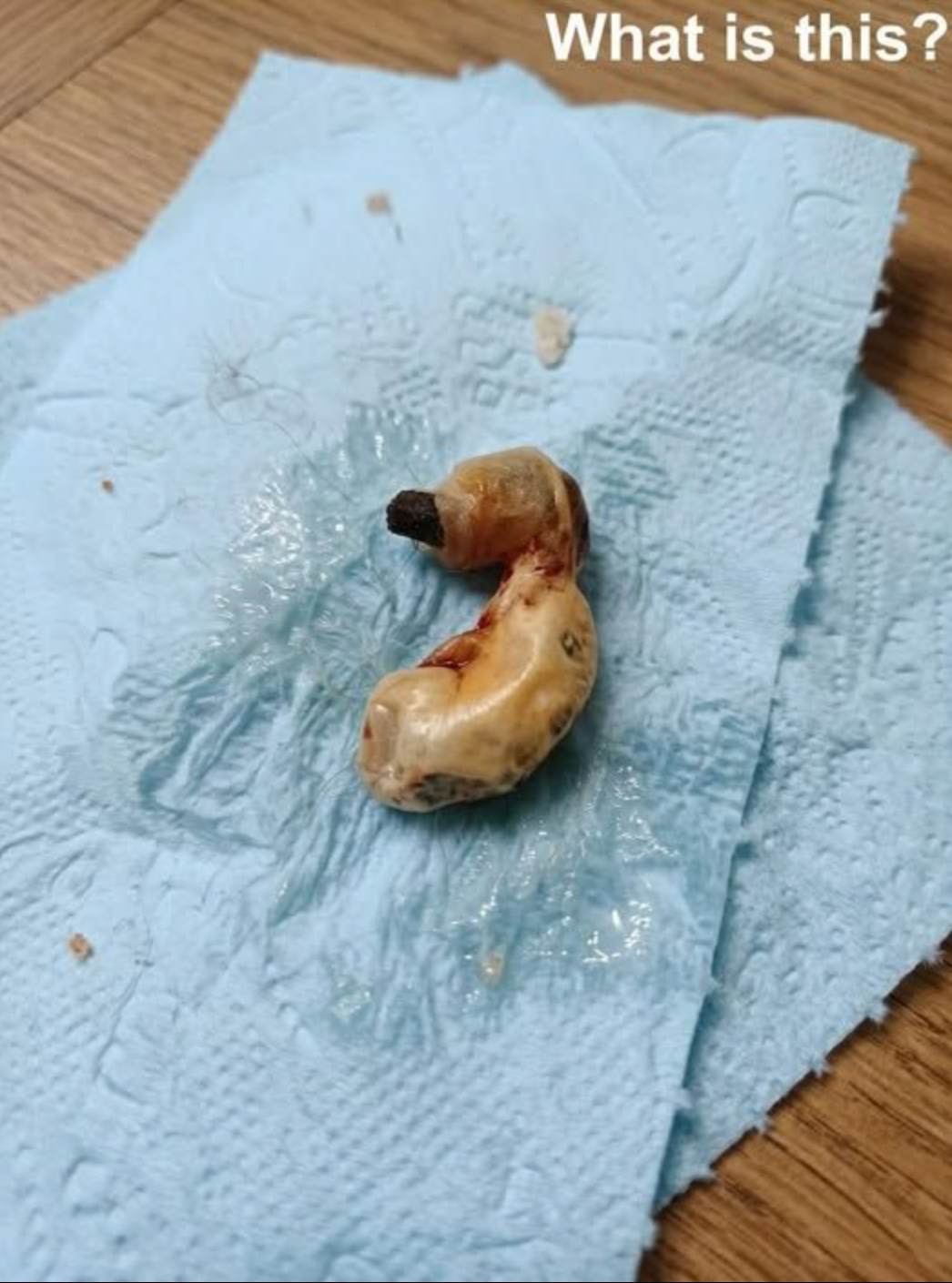
Few things trigger instant discomfort quite like discovering an unfamiliar object inside your home—especially when it looks alive, biological, or vaguely insect-like.
You spot something small on the floor, near a wall, under furniture, or in bedding.
It may appear:
- curved
- pale or fleshy
- segmented
- dried out
- dark at one end
- strangely organic.
Immediately, the brain jumps into investigation mode.
Questions start racing:
- Is it a bug?
- A parasite?
- A larva?
- Something dangerous?
- Did it come from outside?
- Is there an infestation?
- Should I touch it?
That reaction is completely normal. Humans are naturally wired to pay close attention to unfamiliar biological objects because, historically, identifying potential threats quickly helped us avoid contamination, disease, or harmful pests.
But in many cases, these mysterious indoor discoveries turn out to be far less alarming than they first appear.
Why Unknown Objects Look More Disturbing Indoors
Context matters psychologically.
If you saw a strange grub-like object:
- in soil
- outdoors
- in a garden
your brain might barely react.
But finding the same thing:
- on a bedroom floor
- near a bathroom
- inside bedding
- beside furniture
creates a completely different emotional response because the home is mentally categorized as a “safe zone.”
Unexpected biological objects violate that sense of safety.
Common Possibilities for Strange Indoor Organic Objects
Many mysterious items found indoors fall into a few broad categories:
1. Insect Larvae
One of the most common explanations.
Larvae are immature insect forms that later transform into adults.
Possible examples include:
- beetle larvae
- moth larvae
- fly larvae
- carpet beetle larvae.
Some are pale and soft-looking, while others are darker or fuzzy.
2. Pupae or Cocoons
Some insects enter a transitional stage before adulthood.
These can look:
- dried
- curled
- shell-like
- alien or unusual.
People often mistake them for:
- parasites
- seeds
- dead creatures.
3. Decayed Organic Material
Sometimes an object only resembles a creature.
Examples include:
- dried food
- plant roots
- seed pods
- decomposed leaves
- fragments of organic debris.
Once partially dried or distorted, ordinary objects can become surprisingly difficult to identify.
4. Shed Body Parts or Casings
Certain insects leave behind:
- molted exoskeletons
- wings
- dried skins
- pupal shells.
These can appear unsettling because they retain insect-like shapes without movement.
Why Larvae Often Have Dark Tips
Many larvae or pupae have darker ends due to:
- hardened mouthparts
- breathing structures
- natural pigmentation
- drying or decomposition.
This darkened area often makes them appear more alarming than they actually are.
The Science of Why We Instantly Think “Danger”
Humans possess a psychological response sometimes called the behavioral immune system.
This system causes strong reactions to things associated with:
- contamination
- decay
- parasites
- disease risk.
That’s why objects resembling:
- worms
- insects
- bodily material
trigger immediate disgust or anxiety—even before logical thinking begins.
It’s an ancient survival mechanism.
Most Indoor Larvae Are Not Dangerous to Humans
This is important.
Most small larvae found indoors are:
- harmless
- accidental intruders
- associated with food, fabric, or moisture—not humans.
Examples:
- carpet beetle larvae feed on fibers
- pantry moth larvae feed on stored foods
- fly larvae feed on decaying organic matter.
Finding one does not automatically mean a severe infestation.
Why Moisture Attracts Certain Organisms
Bathrooms, kitchens, basements, and laundry areas often attract insects because they provide:
- humidity
- warmth
- food traces
- dark hiding places.
Even tiny moisture sources can support:
- insects
- mold
- small scavengers.
How to Safely Handle an Unknown Object
If you discover something strange indoors:
Step 1: Stay Calm
Avoid panic or dramatic conclusions.
Step 2: Do Not Handle Bare-Handed
Use:
- gloves
- tissue
- paper towel.
This is mainly for hygiene.
Step 3: Examine the Area
Look nearby for:
- crumbs
- moisture
- damaged food packaging
- pet food
- fabric damage
- additional specimens.
One isolated object is often less concerning than repeated findings.
Step 4: Dispose of It Safely
Seal it in:
- tissue
- plastic bag
- trash container.
Then wash hands thoroughly.
When to Be More Concerned
Repeated sightings may indicate:
- hidden food sources
- moisture problems
- pest activity.
You should investigate further if you notice:
- multiple larvae
- strong odors
- fabric damage
- droppings
- pantry contamination
- increasing numbers over time.
Common Household Sources of Larvae
Pantry Items
Grains, flour, cereal, pet food, nuts.
Fabrics
Wool, carpets, stored clothing.
Trash or Organic Waste
Decaying food attracts flies.
Damp Areas
Moisture supports insect development.
Why Photos Online Often Cause Confusion
Internet identification can be unreliable because:
- lighting changes appearance
- scale is unclear
- decomposition alters shape
- many insects resemble one another.
A harmless beetle larva may look terrifying in close-up photography.
The Emotional Side of “Mystery Objects”
People often feel embarrassed discussing these discoveries, but they are extremely common.
Homes are ecosystems.
Even clean homes occasionally encounter:
- insects
- organic debris
- accidental intruders.
The key difference is whether the issue is isolated or ongoing.
Preventive Steps for Peace of Mind
To reduce future surprises:
- vacuum regularly
- store dry foods in sealed containers
- reduce indoor moisture
- clean crumbs promptly
- inspect forgotten storage areas
- check pet food storage.
These simple steps reduce the likelihood of insect activity dramatically.
Why the Unknown Feels So Disturbing
The discomfort comes less from the object itself and more from uncertainty.
The human brain dislikes unexplained biological things because uncertainty historically carried risk.
Once identified scientifically, most “mystery objects” become much less frightening.

Welcome to my kitchen!
I’m a passionate home cook and recipe creator who loves turning simple ingredients into delicious, comforting meals that everyone can enjoy. Through this website, I share carefully prepared recipes, practical cooking tips, and easy-to-understand food education to help you feel more confident in the kitchen.
My goal is to make cooking simple, enjoyable, and accessible. Whether you are looking for a quick family dinner, a delicious dessert, healthy meal ideas, or traditional recipes with a modern touch, you’ll find inspiration here.
More Than Just Recipes
I believe that cooking is also a way to learn. That’s why this website is not only about recipes. I also create educational articles about ingredients, cooking techniques, kitchen tips, food preparation, and the stories behind different dishes.
Each article is designed to give you useful knowledge that you can apply in your own kitchen. From understanding how ingredients work together to learning better cooking methods, my aim is to help you become a more confident and creative cook.
My Philosophy
Good food doesn’t always require complicated ingredients or professional equipment. With a little knowledge, patience, and creativity, simple ingredients can become something truly special.
I believe in sharing recipes that are practical, clearly explained, and enjoyable to make. I also love exploring new flavors while appreciating traditional cooking and the recipes passed down through generations.
Thank you for visiting my kitchen and being part of this food-loving community. I hope my recipes and articles inspire you to cook, learn, experiment, and most importantly, enjoy every bite!
Happy cooking!